


Alright, let’s face it. Heading out into the wilderness for a camping trip is supposed to be about escaping the daily grind, right? Fresh air, crackling campfires, and maybe even a little digital detox. But honestly, if you’re constantly worrying about safety and security, that whole “relaxing escape” vibe kinda goes out the window. You want to be thinking about the stars, not whether a bear is eyeing your snacks. So, how do you strike that balance? How do you actually enjoy the great outdoors knowing you’ve got things covered? That’s exactly what we’re going to discuss here. No need to just grin and bear it – we’ll help you prepare!
Why Bother with Camping Security Anyway?
Okay, let’s get real for a second. Why should you even care about camping security? Well, think of it this way: you wouldn’t leave your house unlocked and unattended, would you? The wilderness might feel a million miles away from your front door, but it still comes with its own set of risks. Sure, we’re talking about potential encounters with wildlife, unpredictable weather, getting lost, and yes, even the possibility of theft. While the vast majority of camping trips go off without a hitch, preparation is key. You know what they say: it’s better to have it and not need it than to need it and not have it. Honestly, a little planning can make a huge difference in your peace of mind.
Scoping Out Your Campsite: Location, Location, Location!
Choosing the right campsite is like picking the perfect pad – it sets the tone for everything. Don’t just pitch your tent wherever you fancy! Consider the surroundings. Are you in a designated camping area? If so, that’s usually a good sign, as these spots are often patrolled or at least regularly visited by park rangers. Look for level ground (your back will thank you!). Also, be mindful of natural hazards. Are you setting up camp under a dead tree waiting to fall? Is the ground prone to flooding if it rains? You’d be surprised how many people overlook these common sense things. You know what I’m getting at, right? Your location should be carefully selected to maximize both enjoyment and safety.
Bear Necessities: Food Storage and Wildlife Awareness
Let’s talk about the furry, four-legged neighbors you might encounter. Bears get a lot of attention – and rightfully so! They’re powerful animals, and if they get a whiff of your delicious trail mix, they might come calling. Proper food storage is non-negotiable:
- Bear canisters: These are bear-resistant containers designed to keep your food (and anything else with a scent) safe from curious critters.
- Hanging your food: If canisters aren’t required or practical, learn how to properly hang your food between two trees, out of reach of bears and other animals. Make sure it’s at least 12 feet off the ground and 6 feet from the trunk of either tree and 4 feet away from the limb.
- Cleanliness is key: Wipe down your cooking area after meals, and dispose of any food scraps properly. Don’t leave trash lying around!
But it’s not just bears you need to think about. Raccoons, squirrels, even deer can be attracted to your campsite by food odors. Be vigilant about keeping your site clean, and store everything securely.
Creating a Perimeter: Deterrents and Security Measures
Now, let’s ramp things up a notch. Creating a perimeter around your campsite is like setting up a security system for your temporary home. It’s all about making your campsite less attractive to potential intruders. We’re not talking about building a fortress here, but simple deterrents can go a long way.
- Noise makers: Motion detector alarms or even just some tin cans hanging from a string can alert you to movement around your campsite.
- Light it up: A well-lit campsite is less appealing to prowlers, both human and animal. Use solar-powered lights or lanterns to illuminate the area. Consider having a flashlight or headlamp handy.
- Keep it tidy: A messy campsite looks like an easy target and attracts pests and unwanted attention. Keeping things organized signals that the site is occupied and looked after.
Bottom line, we want to make any trespassers or predators think twice. You know what I mean. Make your campsite a fortress!
Communication is Key: Staying Connected
Communication in the wilderness? It’s not just about Instagram updates (although, let’s be honest, that’s part of it for some of us). It’s about safety. Cell service can be spotty, or nonexistent, in many camping areas. So, don’t rely solely on your phone.
- Satellite communicator: Consider a device like a Garmin inReach. These allow you to send and receive messages, share your location, and call for help in an emergency, even without cell service.
- Two-way radios: For communicating with others in your group, two-way radios (walkie-talkies) are a reliable option, especially if you’re spread out.
- Let someone know your plans: Before you head out on your trip, tell a friend or family member where you’re going, when you expect to return, and your planned route. That way, if something goes wrong, someone knows to raise the alarm.
And here’s the thing. Don’t just carry these devices; learn how to use them before you go. Practice sending messages, setting up emergency contacts, and familiarizing yourself with the features. Because honestly, when you’re in a stressful situation, fumbling with unfamiliar tech is the last thing you need.
First Aid Fundamentals: Preparing for the Unexpected
Okay, let’s talk about bumps, bruises, and the occasional “oops” moment. Accidents happen, even on the most carefully planned camping trips. A well-stocked first aid kit is an absolute must-have. But it’s not enough to just have the kit; you need to know how to use it. Take a basic first aid course, or at least familiarize yourself with common wilderness injuries and how to treat them. We’re talking about things like:
- Cuts and scrapes: Clean them thoroughly and apply antiseptic and bandages.
- Burns: Cool the burn immediately with water, and apply a sterile dressing.
- Sprains and strains: Rest, ice, compress, and elevate (RICE).
- Insect bites and stings: Apply antiseptic and monitor for allergic reactions.
And don’t forget to pack any personal medications you need, along with copies of your prescriptions. Hey, let’s plan to be self-reliant! If you want to learn more about this then Red Cross has some great resources!
Navigating with Confidence: Staying Found in the Wilderness
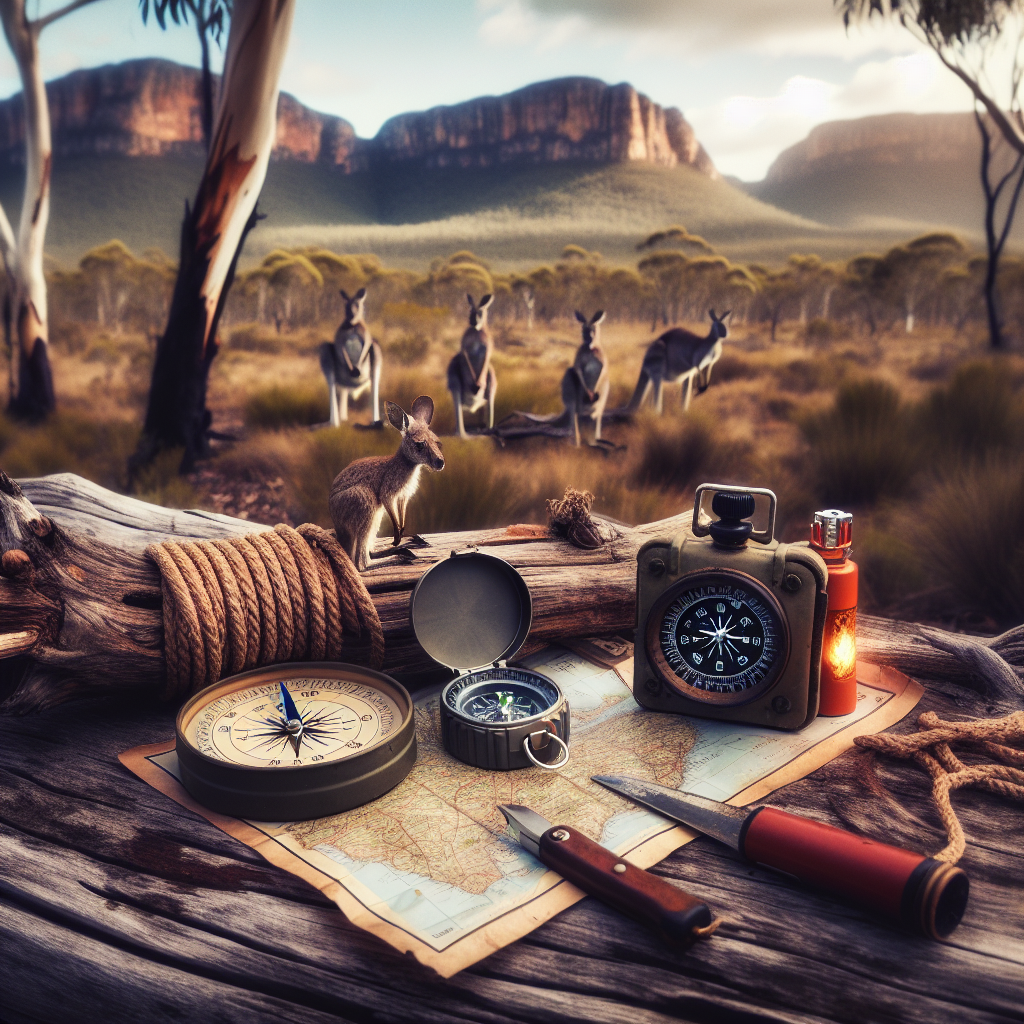
Getting lost is probably one of the biggest fears for any camper. And honestly, it’s a legitimate concern. But with the right skills and tools, you can significantly reduce your risk. Learning how to use map and compass is honestly still a game-changer. Yes, GPS devices are amazing, but batteries die, and technology fails. Knowing how to read a map and use a compass is a skill that could save your life.
- Study your route: Before you head out on a hike, familiarize yourself with the terrain, landmarks, and potential hazards.
- Use a GPS device: A GPS can help you track your location and stay on course. Don’t forget extra batteries!
- Trust your instincts: If something doesn’t feel right, don’t be afraid to turn back.
It’s kinda like learning to swim, you practice, and you practice, and you practice until it feels natural. Also, make sure to mark your map appropriately. No need to get disoriented; preparation is key.
Campfire Safety: Playing with Fire Responsibly
Is there anything better than a crackling campfire under a star-filled sky? Nope, probably not! But fire can be dangerous if not handled responsibly.
- Check fire restrictions: Before you even think about starting a fire, check local regulations. Some areas have fire bans in place, especially during dry seasons.
- Clear the area: Remove any dry leaves, twigs, or other flammable materials from a 10-foot radius around your fire pit.
- Never leave it unattended: Keep a close eye on your fire at all times. And when you’re done, make sure it’s completely extinguished. Douse it with water, stir the ashes, and douse it again.
It sounds simple, but these steps can prevent wildfires and keep you and others safe. We don’t want to be the reason a forest goes up in smoke!
Dealing with Difficult People: Handling Conflicts and Ensuring Personal Safety
Camping is usually a solitary activity or done with close friends. So, every once in awhile you encounter someone at the campsite that might cause you problems – other campers that can be reckless, noisy neighbors that will interfere with your enjoyment, etc. Here are some tips on how to deal with it.
- Dealing with Noisy Neighbors: Approach them politely, explain the situation, and ask them to respect quiet hours.
- Handling Confrontations: Stay calm, avoid aggression, and try to mediate a solution.
- Ensuring Group Harmony: Discuss expectations and boundaries before the trip. Assign roles and responsibilities to foster teamwork.
- Addressing Misconduct: Document incidents, report issues to authorities, and, if necessary, separate yourself from the situation.
You might want to check this resource for more details – Camping Etiquette. It’s always a useful one to check out!
Leave No Trace: Protecting the Environment
Okay, this isn’t directly about your safety, but it’s still a vital part of camping responsibly. “Leave No Trace” is more than just a catchy slogan; it’s a philosophy. It’s about minimizing your impact on the environment so that others can enjoy it too.
- Pack it in, pack it out: Don’t leave anything behind. Take all your trash with you, and dispose of it properly.
- Minimize campfire impacts: Use existing fire rings whenever possible, and keep fires small.
- Respect wildlife: Observe animals from a distance, and never feed them.
- Leave what you find: Don’t take souvenirs like rocks, plants, or artifacts.
Think of it as being a good steward of the land. After all, we want to continue enjoying these beautiful places for generations to come, right? This is something so obvious that often gets overlooked.
Pre-Trip Checklist: Don’t Leave Home Without It
Before you head out, take a moment to run through a pre-trip checklist. This is your last chance to make sure you haven’t forgotten anything important. Here’s a quick rundown:
- Navigation: Map, compass, and GPS device.
- First aid: Well-stocked kit and knowledge of how to use it.
- Food and water: Enough for the duration of your trip, plus some extra.
- Shelter: Tent, sleeping bag, and sleeping pad.
- Clothing: Appropriate for the weather conditions, plus extra layers.
- Communication: Satellite communicator or two-way radios.
- Safety gear: Bear spray, whistle, and headlamp.
Customize this list to fit your specific trip and needs. And honestly, don’t just pack the stuff; double-check that it’s all in working order before you leave. Remember, a little preparation goes a long way to ensure peace of mind.
Final Thoughts: Embrace the Adventure, Stay Safe Out There
Camping should be an enjoyable experience. By taking these safety and security precautions, you can relax and focus on the good stuff: the fresh air, the stunning scenery, and the camaraderie with friends and family. So get out there, explore the wilderness, create some memories, and do it with confidence knowing you’re prepared for whatever comes your way. You know what? Let’s camp safely and make memories that will last a lifetime.
FAQs
DISCLAIMER
This article provides general information about camping safety and security. Please note that outdoor activities carry inherent risks. Always prioritize your safety, use common sense, and adapt to changing conditions. Consult with experienced outdoor professionals or local authorities for specific advice and guidance relevant to your location and activity. The author and publisher are not responsible for any incidents, injuries, or damages that may occur during your camping trips.
Categories
- Navigation & Safety (68)
- Shelter & Sleep (72)
Top rated products
-
 Compact 70 CM Fishing Rod Bag - Your Adventure Awaits! Rated 5.00 out of 5$14.20 – $18.17Price range: $14.20 through $18.17
 -
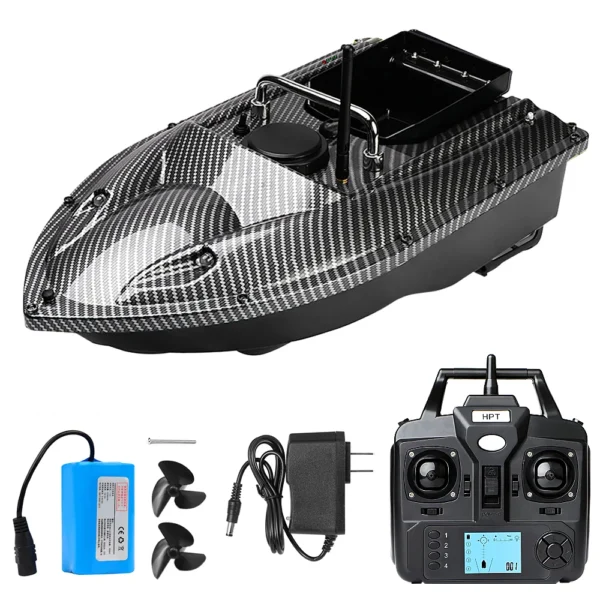
Elevate Your Fishing with C118 GPS Remote Bait Boat Rated 5.00 out of 5
$307.61Original price was: $307.61.$214.40Current price is: $214.40. -
CNSUP 12 ft Inflatable Yellow Paddle Board - Adventure Awaits! Rated 5.00 out of 5$280.24 – $479.36Price range: $280.24 through $479.36



Product Gallery
-
 Ultimate 2-3 Person Inflatable Kayak for Fishing Fun Rated 5.00 out of 5
$1,537.10Original price was: $1,537.10.$1,071.31Current price is: $1,071.31. -
VEVOR 550 lb Heavy-Duty Folding Wagon & Bench for Adventurers
$154.16 – $250.60Price range: $154.16 through $250.60
-
Adventure-Ready Ultra Bright LED Headlamp with 3 Modes
$4.63 – $21.74Price range: $4.63 through $21.74










 Camping Gear
 Camping Chair
 Camping Table
 Sleeping Bags
 Camping Bed
 Sleeping Gear
 Storage Bags
 BBQ Portable
 Camping Tents
 Gazebos
 Outdoor Cooler
 Cookware
 Power
Power Camping Light
 Flashlight
 Portable Solar
 Power Banks
 Fish Finders
 Fishing Bags
 Fishing Jerseys
 Fishing Reels
 Fishing Chairs
 Fishing Bait Boat
 Fishing Floats
 Hard Baits
 Hiking Vests
 Outdoor Bags
 Water Filters
 Paracord
 Walkie Talkie
 Paddleboards
 Boats
Boats Sea Scooter
 Accessories
 Electric Bike
 Electric Scooter
Recent Comments