

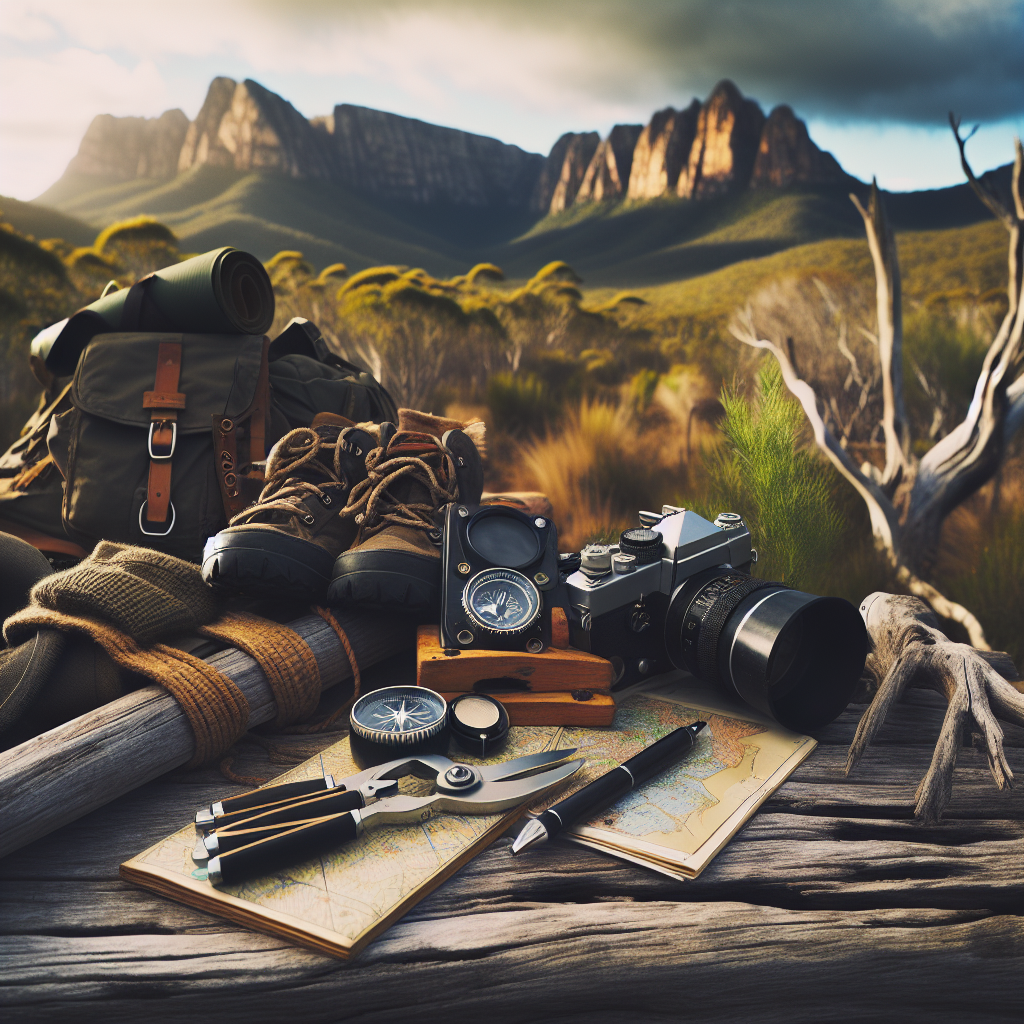

Ever felt that tug, that irresistible urge to wander off the grid? Camping, backpacking, exploring – it’s in our blood. But let’s be real, getting lost isn’t exactly part of the “connecting with nature” vibe we’re going for. That’s why understanding how to navigate and stay safe is absolutely crucial. Here, we’re not just talking about following a marked trail; we’re diving deep into the skills and knowledge you need to confidently traverse the backcountry, handle unexpected situations, and, most importantly, make it back home safe and sound. So, buckle up (metaphorically, of course – unless you’re reading this in a car), and let’s get started.
Understanding Your Terrain: Maps and Compass Fundamentals
Okay, let’s start with the OG navigation tools: maps and compasses. In a world obsessed with GPS, these may seem like relics of the past, but trust me, they’re your reliable best friends when the batteries die, or the signal drops. You know, when you REALLY need them.
A map is more than just a pretty picture; it’s a carefully crafted representation of the wilderness, brimming with information. Contour lines, color codes, symbols – they all tell a story about the land. Learn to “read” that story, and you unlock a deeper understanding of your surroundings. Think of it like learning a new language. It seems daunting at first, but the rewards are immense.
Then there’s the compass. This little gadget uses the Earth’s magnetic field to point you towards magnetic north. It’s your steadfast guide, impervious to weather, terrain, or technological glitches. When paired with a map, it becomes a powerful tool for determining your location, planning routes, and staying on course. Seriously, you can’t beat the reliability of a good compass.
Map Reading Essentials: It’s All About the Details
Reading a map is about more than just glancing at it. It’s about understanding its components and how they relate to the real world. Here’s a quick rundown:
- Scale: The ratio between the distance on the map and the corresponding distance on the ground. A scale of 1:24,000 means that one inch on the map equals 24,000 inches (or 2,000 feet) in reality.
- Contour Lines: These lines connect points of equal elevation. The closer the lines are together, the steeper the terrain. Understanding contour lines allows you to visualize the landscape and anticipate changes in elevation. Think of them as revealing the ‘muscles’ of the land.
- Symbols: Maps use symbols to represent various features, such as roads, trails, buildings, rivers, and vegetation. Learn to recognize these symbols, as they provide valuable information about your surroundings.
- Legend: The legend explains all the symbols and colors used on the map. It’s basically your key to unlocking the map’s secrets. Don’t leave home without consulting it!
Compass Mastery: Finding Your Way
A compass isn’t just a needle pointing north. It’s a precision instrument that requires practice and understanding. Here are some key skills to master:
- Declination: The difference between magnetic north (what your compass points to) and true north (the geographic North Pole). Declination varies depending on your location and can significantly affect your navigation. Always adjust your compass for declination before setting out.
- Taking a Bearing: This involves using your compass to determine the direction to a specific landmark or point of interest. Align your compass with the target, adjust for declination, and follow the bearing.
- Following a Bearing: Once you have a bearing, you need to follow it accurately. Choose a distant landmark that lies on your bearing, walk towards it, and repeat the process. This helps you stay on course, even when the terrain is challenging.
- Triangulation: If you’re unsure of your location, you can use triangulation to pinpoint your position. Identify two or three landmarks that you can see on the map, take bearings to those landmarks, and then draw lines on the map along those bearings. The point where the lines intersect is your approximate location.
Seriously – practice these skills in your backyard, at a local park – anywhere! The more comfortable you are with maps and compasses, the more confident you’ll be in the backcountry. Don’t underestimate the power of these analog tools.
GPS Devices: High-Tech Guidance
GPS devices have revolutionized navigation. I mean, who hasn’t relied on their phone for directions at some point? But while smartphones are convenient, dedicated handheld GPS units offer some serious advantages for backcountry navigation. They’re more rugged, have longer battery life, and offer features specifically designed for outdoor use. But remember, technology isn’t infallible. Always have a backup plan (like a map and compass, wink wink).
Choosing the Right GPS: It’s a Matter of Needs
The GPS market is saturated with options, so how do you choose the right one? Consider these factors:
- Durability: Look for a rugged, waterproof device that can withstand the rigors of the backcountry. Brands like Garmin and Suunto are known for their durable products.
- Battery Life: Choose a device with long battery life or the option to use replaceable batteries. Consider carrying a portable charger or extra batteries on longer trips.
- Screen Size and Resolution: A larger screen with better resolution makes it easier to view maps and data.
- Mapping Capabilities: Some GPS units come preloaded with detailed topographic maps, while others allow you to download maps. Choose a device that meets your mapping needs.
- Features: Consider features such as barometric altimeter, electronic compass, wireless connectivity, and emergency SOS capabilities.
Using Your GPS Effectively: Tips and Tricks
A GPS is only as good as the user. Here are some tips on how to use your GPS effectively:
- Learn the Basics: Understand how to turn the device on, navigate the menus, and mark waypoints.
- Download Maps: Download detailed topographic maps of your planned route.
- Create Waypoints: Mark important locations, such as campsites, water sources, and trail junctions, as waypoints.
- Follow Routes: Create routes on your computer or smartphone and then transfer them to your GPS. This will help you stay on track.
- Calibrate Your Compass: Calibrate the GPS’s electronic compass regularly to ensure accuracy.
- Conserve Battery Life: Adjust the screen brightness, turn off unnecessary features, and carry a portable charger or extra batteries.
Honestly, getting comfortable with a GPS takes time and practice. Experiment with different features and settings before heading into the wilderness. And always, ALWAYS have a backup. You never know when technology might fail you. Plus, there’s a certain satisfaction that comes from finding your way without relying on screens, right?
Trail Marking Systems: Following the Signs
Trail marking systems are a vital part of backcountry navigation. They’re designed to guide hikers, bikers, and other trail users along designated routes. But, and this is a big but, trail marking systems vary widely depending on the region, land manager, and type of trail. Understanding these variations is crucial for staying on the right path. And it helps to know what to do if you suddenly *don’t* see any markers.
Types of Trail Markers: A Rainbow of Possibilities
Trail markers come in a variety of shapes, sizes, and colors. Here are some common types:
- Blazes: These are painted marks on trees, rocks, or posts. They can be a single color, multiple colors, or a combination of shapes. The Appalachian Trail, for example, is known for its iconic white blazes.
- Duct Tape: Duct Tape are small piles of stones stacked on top of each other. They’re commonly used in alpine environments or on trails where trees are scarce.
- Signs: Signs can provide directional information, distance to destinations, and warnings about hazards.
- Flags: Flags are often used to mark temporary trails or routes through difficult terrain.
- Reflectors: Reflectors are used to enhance visibility at night.
Interpreting Trail Markers: Deciphering the Code
Understanding what the trail markers are trying to tell you can be… tricky. Here are some tips:
- Color Codes: Different colors can indicate different types of trails. For example, blue might indicate an easy trail, while red might indicate a difficult trail.
- Directional Markers: These markers indicate the direction of the trail. A single blaze might indicate that the trail continues straight, while two blazes stacked vertically might indicate a turn.
- Confidence Markers: These markers are placed frequently to reassure hikers they are on the right path.
What To Do When You Can’t Find a Marker: Stay Calm!
Okay, so you haven’t seen a marker in a while. Don’t panic! Here’s what to do:
- Retrace Your Steps: Go back to the last marker you saw and look for the trail from there.
- Consult Your Map and Compass: Use your map and compass to determine the general direction of the trail.
- Look for Subtle Signs: Look for signs of human passage, such as worn paths, footprints, or disturbed vegetation.
- Listen: Listen for sounds of running water, traffic, or other people.
- Stay Put: If you’re truly lost, it’s often best to stay put and wait for rescue.
Trail markers are helpful, but they’re not foolproof. A good map and compass, combined with strong observation skills, are the best tools for staying on track. Plus, developing those skills will make you a more confident – and competent – explorer. You know what I mean?
Emergency Preparedness and Survival Skills
Okay, let’s get real for a second. Things can go wrong in the backcountry. Weather can change in an instant, injuries can occur, and gear can fail. That’s why emergency preparedness and survival skills are absolutely essential for any camper or backpacker. It’s not about being paranoid; it’s about being prepared.
Building a Survival Kit: The Essentials You Can’t Skip
A well-stocked survival kit can make the difference between a minor inconvenience and a life-threatening situation. Here are some essentials to include:
- Navigation: Map, compass, and GPS (with extra batteries!).
- Fire starting: Waterproof matches, lighter, fire starter (cotton balls soaked in petroleum jelly work great).
- First-aid: Comprehensive first-aid kit with supplies to treat cuts, burns, sprains, and other common injuries. Include any personal medications you need.
- Repair Kit and Tools: Knife or multi-tool, duct tape, cordage, and repair materials for your gear.
- Nutrition: High-energy food bars, dried fruit, nuts, and other non-perishable foods.
- Hydration: Water bottle or hydration reservoir, water filter or purification tablets. Seriously, water is life.
- Shelter: Emergency blanket, bivy sack, or tarp.
- Lighting: Headlamp or flashlight with extra batteries.
- Signaling: Whistle, signal mirror.
- Sun protection: Sunscreen, sunglasses, hat.
Essential Survival Skills: Knowledge is Power
Having the right gear is important, but knowing how to use it is even more crucial. Here are some essential survival skills to learn:
- Fire Starting: Knowing how to start a fire in challenging conditions can provide warmth, light, and a means to cook food and purify water.
- Shelter Building: Building a makeshift shelter can protect you from the elements and help prevent hypothermia.
- Water Procurement: Finding and purifying water is critical for survival. Learn how to identify water sources and how to use a water filter or purification tablets.
- First Aid: Knowing how to treat common injuries and illnesses can save a life. Take a wilderness first-aid course to learn essential skills.
- Signaling: Knowing how to signal for help can increase your chances of being rescued. Learn how to use a whistle, signal mirror, and fire to attract attention.
Dealing with Common Emergencies: Stay Calm, Think Clearly
Okay, something’s gone wrong. Take a deep breath, and remember these tips for dealing with common emergencies:
- Lost: Stay calm, retrace your steps, and use your map and compass to determine your location. If you can’t find your way back, stay put and signal for help.
- Injured: Assess the injury, provide first aid, and seek medical attention if necessary.
- Hypothermia: Get the person out of the cold, remove wet clothing, and provide warm drinks and food.
- Wildlife Encounter: Stay calm, avoid direct eye contact, and slowly back away. If attacked, fight back.
You know what? Preparation is key. Take a survival course, practice your skills, and pack a well-stocked survival kit. It could save your life. Honestly, it’s better to be over-prepared than under-prepared.
Weather Awareness and Prediction: Reading the Sky
Weather in the backcountry can change rapidly, turning a beautiful sunny day into a dangerous situation in a matter of hours. Paying attention to weather conditions and knowing how to predict changes is crucial for staying safe. It’s like Mother Nature is giving you hints – you just need to learn how to read them. And a lot of safety advice comes down to assessing risk and what you can do to lower it.
Understanding Weather Patterns: A Crash Course for Campers
Before heading into the backcountry, familiarize yourself with the typical weather patterns for the area and time of year. Check the forecast, but don’t rely on it blindly. Weather forecasts are often inaccurate, especially in mountainous terrain. Here’s some things to keep in mind:
- Temperature: Be aware of the expected temperature range and dress accordingly. Remember that temperatures can drop significantly at night, especially at higher elevations.
- Precipitation: Check the forecast for rain, snow, or thunderstorms. Be prepared for wet weather with waterproof clothing and gear.
- Wind: Strong winds can make hiking difficult and increase the risk of hypothermia. Be aware of the wind forecast and choose routes that offer protection from the wind.
- Elevation: Changes in elevation can significantly affect weather conditions. Temperatures typically decrease as elevation increases, and rain can turn to snow at higher elevations.
Reading the Sky: Nature’s Weather Forecaster
Learning to read the sky can help you anticipate weather changes and make informed decisions. Here are some clues to look for:
- Clouds: Different types of clouds can indicate different weather conditions. High, wispy cirrus clouds often indicate an approaching warm front, while dark, towering cumulonimbus clouds indicate thunderstorms.
- Wind Direction: Changes in wind direction can indicate an approaching weather system. A shift in wind direction can signal an approaching cold front or warm front.
- Atmospheric Pressure: A falling barometer indicates an approaching storm, while a rising barometer indicates improving weather.
- Visibility: Poor visibility can indicate fog, haze, or smoke.
Responding to Weather Changes: Adapt and Overcome
If the weather changes unexpectedly, be prepared to adapt your plans. Here are some tips:
- Seek Shelter: If a storm is approaching, seek shelter in a protected area. Avoid exposed ridges, tall trees, and bodies of water.
- Dress Appropriately: Add or remove layers of clothing to stay comfortable.
- Adjust Your Route: If the weather is deteriorating, consider turning back or choosing a shorter, less exposed route.
- Stay Hydrated: Drink plenty of water, even if you’re not thirsty.
- Communicate: Let someone know your plans and expected return time.
Honestly, paying attention to the weather can make all the difference. It’s about respecting the power of nature and making smart decisions. Don’t underestimate the importance of a little weather savvy.
Camp Security and Wildlife Awareness
Sharing the backcountry with wildlife is an amazing experience, but it also requires responsibility. Proper camp security and wildlife awareness are crucial for protecting yourself, your food, and the animals themselves. It’s about coexisting peacefully and minimizing your impact on the environment.
Bear Safety Basics: Minimize Attractants
Bears are a major concern in many camping areas. Here’s what you need to know to stay safe:
- Store Food Properly: Store all food, trash, and scented items in bear-resistant canisters or hang them from a tree at least 10 feet off the ground and 4 feet from the trunk.
- Cook Away from Your Tent: Cook and eat at least 200 feet away from your tent.
- Keep a Clean Campsite: Clean up all food scraps and garbage immediately.
- Never Feed Bears: Feeding bears habituates them to humans and can lead to dangerous encounters.
- Make Noise: When hiking, make noise to avoid surprising bears.
- Carry Bear Spray: Carry bear spray and know how to use it.
Other Wildlife Considerations: Respect Their Space
Bears aren’t the only animals you need to be aware of. Here are some tips for dealing with other wildlife:
- Rodents: Store food in rodent-proof containers.
- Insects: Use insect repellent and wear protective clothing.
- Snakes: Watch your step and avoid disturbing snakes.
- Birds: Avoid feeding birds, as this can disrupt their natural feeding patterns.
Securing Your Campsite: A Safe Haven
A secure campsite is a safe campsite. Here are some tips for securing your camp:
- Choose a Safe Location: Choose a campsite that is away from hazards, such as dead trees, steep slopes, and bodies of water.
- Clear the Area: Clear the area around your tent of any sharp objects or debris.
- Set Up a Perimeter: Set up a perimeter alarm system, such as a tripwire or motion sensor.
- Keep a Light On: Keep a light on at night to deter animals.
- Lock Valuables: Lock valuables in a bear-resistant canister or store them in your vehicle.
Honestly, respecting wildlife and securing your campsite is just common sense. It’s about being a responsible visitor and minimizing your impact on the environment. And it helps to remember that you’re a guest in their home. You know?
Leave No Trace Principles: Minimizing Our Impact
The Leave No Trace principles are a set of guidelines designed to minimize our impact on the environment while enjoying the outdoors. It’s about preserving the wilderness for future generations. It’s a philosophy, a commitment, and a way of life. If we want to continue to have these amazing places to explore, we have to take care of them, too, right?
The Seven Principles: A Guide to Responsible Outdoor Recreation
The seven Leave No Trace principles are:
- Plan Ahead and Prepare: Know the regulations and special concerns for the area you’ll be visiting. Prepare for extreme weather, hazards, and emergencies.
- Travel and Camp on Durable Surfaces: Concentrate use on existing trails and campsites. Walk single file in the middle of the trail, even when wet or muddy.
- Dispose of Waste Properly: Pack it in, pack it out. Inspect your campsite and pack out all trash, food scraps, and litter.
- Leave What You Find: Minimize campsite alterations. Leave rocks, plants, and other natural objects as you find them.
- Minimize Campfire Impacts: Use established fire rings where available. Keep fires small and contained. Burn all wood and coals to ash, then scatter the ashes.
- Respect Wildlife: Observe wildlife from a distance. Never feed or approach wild animals.
- Be Considerate of Other Visitors: Respect the rights of other visitors. Avoid loud noises and disruptive behavior.
Putting the Principles into Practice: Small Actions, Big Impact
The Leave No Trace principles are easy to understand, but it takes effort to put them into practice. Here are some tips:
- Use Reusable Items: Use reusable water bottles, food containers, and utensils.
- Pack Out All Trash: Pack out everything you pack in, including food scraps, wrappers, and toilet paper.
- Stay on Marked Trails: Avoid creating new trails or shortcuts.
- Minimize Campfire Impacts: Use a camp stove instead of a campfire whenever possible.
- Respect Wildlife: Observe wildlife from a distance and never feed them.
- Be Considerate of Others: Keep noise levels down and respect the privacy of other campers.
Seriously, following the Leave No Trace principles is the least we can do to protect the environment. It’s about being mindful of our impact and taking responsibility for our actions. We’re all in this together, you know?
Advanced Navigation Techniques for Expert Campers
So you’ve got the basics down? Awesome! But for those who want to push their limits and explore deeper into the backcountry, mastering advanced navigation techniques is a must. This is where things get really interesting – and really rewarding.
Orienteering: The Art of Map and Compass Navigation
Orienteering is a competitive sport that combines map and compass skills with physical endurance. It involves navigating through unfamiliar terrain using a map and compass to find a series of control points. Learn the core skills and use them while camping. It’s a great way to sharpen your navigation skills and test your limits. Think of it as a treasure hunt for adults.
Here’s how it works:
- Map Reading: Using a detailed topographic map to identify terrain features and plan your route.
- Compass Skills: Taking bearings, following bearings, and adjusting for declination.
- Route Choice: Choosing the most efficient route to each control point, considering terrain, elevation changes, and obstacles.
- Pace Counting: Estimating distances by counting your steps.
- Attack Points: Identifying prominent features near each control point to help you pinpoint its exact location.
Using an Altimeter: Measuring Elevation Changes
An altimeter is a device that measures altitude, or elevation above sea level. It can be a valuable tool for navigation, especially in mountainous terrain. By tracking your elevation changes, you can better understand your location and your progress along a route.
Here’s how to use an altimeter for navigation:
- Calibrate Your Altimeter: Calibrate your altimeter at a known elevation point before starting your hike.
- Track Your Elevation Changes: Monitor your altitude as you hike and compare it to the elevation profile on your map.
- Use Your Altimeter to Identify Terrain Features: Use your altimeter to identify peaks, valleys, and other terrain features.
- Combine Your Altimeter with Your Map and Compass: Use your altimeter in conjunction with your map and compass to pinpoint your location.
Night Navigation: Finding Your Way After Dark
Navigating at night presents unique challenges, but it can also be incredibly rewarding. The key is to be well-prepared and to use the right techniques. Plan accordingly, have good lighting and knowledge of the following core techniques:
- Use a Headlamp or Flashlight: Use a headlamp or flashlight with a red light setting to preserve your night vision.
- Follow Established Trails: Stick to well-marked trails whenever possible.
- Use Reflectors: Use reflectors to mark your route.
- Listen to Your Surroundings: Listen for sounds that can help you orient yourself, such as running water or traffic.
- Use the Stars: Learn to identify constellations and use them to determine direction.
Okay, so these techniques require practice and dedication. But trust me, the rewards are worth it. Mastering advanced navigation skills will give you the confidence to explore deeper into the backcountry and experience the wilderness in a whole new way, and you will enhance you risk managment capabilities. And that’s what it’s all about, right?
Staying Informed: Resources and Further Reading
Alright, so you’ve absorbed a ton of information. But learning never stops! Staying updated with the latest techniques, gear innovations, and safety guidelines is crucial for any serious camper or backpacker. Here are some resources to keep you in the know:
Online Resources: The Internet Is Your Friend
- Websites:
- REI (https://www.rei.com/) – A great source for gear reviews, how-to articles, and trip planning resources.
Books: The Classics Never Go Out of Style
- “Mountaineering: The Freedom of the Hills”: Considered the bible of mountaineering, this book covers everything from basic camping skills to advanced climbing techniques.
Courses and Workshops: Hands-On Learning
- Wilderness First Aid and Survival Courses: Organizations like NOLS (National Outdoor Leadership School) and WMI (Wilderness Medical Associates) offer comprehensive courses in wilderness first aid and survival skills.
Seriously, there’s a wealth of information out there. Take advantage of it! Read books, watch videos, attend workshops, and talk to experienced campers and backpackers. Learning is a lifelong process, and the more you know, the safer and more enjoyable your adventures will be. And that’s what we all want, right?
Conclusion: Explore Confidently, Explore Safely
Navigating the wilderness isn’t just about getting from point A to point B; it’s about understanding the land, respecting its power, and embracing the challenges it presents. By mastering the skills and knowledge outlined in this guide, you can explore confidently, explore safely, and connect with nature on a deeper level. So, grab your map and compass, pack your gear, and get out there! Adventure awaits!
FAQ Section
Always carry a backup, like a map and compass! Batteries die, signals drop, and technology can fail. Don’t rely solely on your GPS.
Practice in your backyard, at a local park, or on a familiar trail. Start with basic skills like orienting the map, taking bearings, and following bearings. The more you practice, the more confident you’ll be.
Stay calm, retrace your steps, and use your map and compass to determine your location. If you can’t find your way back, stay put and signal for help.
Store all food, trash, and scented items in bear-resistant canisters or hang them from a tree at least 10 feet off the ground and 4 feet from the trunk. Cook and eat at least 200 feet away from your tent.
The Leave No Trace principles are a set of guidelines designed to minimize our impact on the environment while enjoying the outdoors. They include planning ahead and preparing, traveling and camping on durable surfaces, disposing of waste properly, leaving what you find, minimizing campfire impacts, respecting wildlife, and being considerate of other visitors.
Very important! The weather forecast should be just one of the factors you consider when making judgements, and it serves as a starting point.
Personal preference will vary, but many would argue that the most important item is the knowledge to use the other items correctly.
DISCLAIMER
Camping, hiking, and other outdoor activities can be dangerous. It is your responsibility to be aware of the risks involved and to take appropriate precautions. This article is for informational purposes only and should not be considered a substitute for professional training or advice. Always consult with experienced outdoor professionals before undertaking any backcountry adventure. The author and publisher are not responsible for any injuries, accidents, or other damages that may occur as a result of following the information in this article.
Categories
- Navigation & Safety (68)
- Shelter & Sleep (72)
Top rated products
-
 Compact 70 CM Fishing Rod Bag - Your Adventure Awaits! Rated 5.00 out of 5$14.20 – $18.17Price range: $14.20 through $18.17
 -
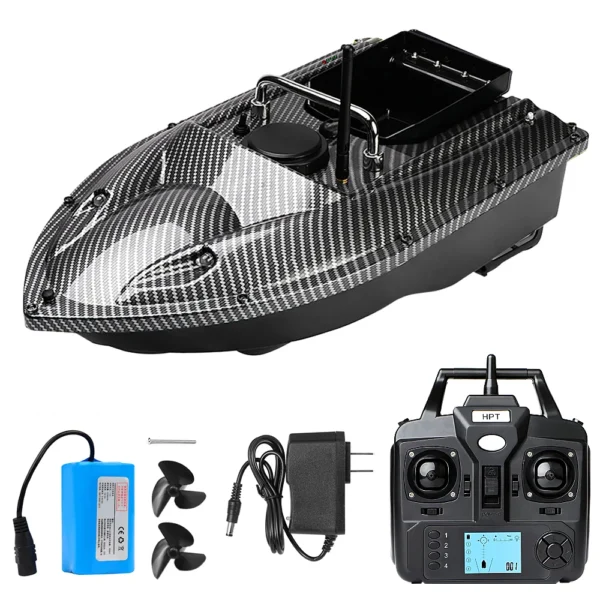
Elevate Your Fishing with C118 GPS Remote Bait Boat Rated 5.00 out of 5
$307.61Original price was: $307.61.$214.40Current price is: $214.40. -
CNSUP 12 ft Inflatable Yellow Paddle Board - Adventure Awaits! Rated 5.00 out of 5$280.24 – $479.36Price range: $280.24 through $479.36



Product Gallery
-
 Ultimate 2-3 Person Inflatable Kayak for Fishing Fun Rated 5.00 out of 5
$1,537.10Original price was: $1,537.10.$1,071.31Current price is: $1,071.31. -
VEVOR 550 lb Heavy-Duty Folding Wagon & Bench for Adventurers
$154.16 – $250.60Price range: $154.16 through $250.60
-
Adventure-Ready Ultra Bright LED Headlamp with 3 Modes
$4.63 – $21.74Price range: $4.63 through $21.74










 Camping Gear
 Camping Chair
 Camping Table
 Sleeping Bags
 Camping Bed
 Sleeping Gear
 Storage Bags
 BBQ Portable
 Camping Tents
 Gazebos
 Outdoor Cooler
 Cookware
 Power
Power Camping Light
 Flashlight
 Portable Solar
 Power Banks
 Fish Finders
 Fishing Bags
 Fishing Jerseys
 Fishing Reels
 Fishing Chairs
 Fishing Bait Boat
 Fishing Floats
 Hard Baits
 Hiking Vests
 Outdoor Bags
 Water Filters
 Paracord
 Walkie Talkie
 Paddleboards
 Boats
Boats Sea Scooter
 Accessories
 Electric Bike
 Electric Scooter
Recent Comments