<h1>Navigate the Wild: Your Guide to Camping Navigation and Safety</h1>
<p>Ever feel that little twinge of worry when you're heading out into the backcountry? You're not alone. The wilderness offers incredible experiences, but it also demands respect and preparation. This isn't just about having fun; it's about coming home safe and sound. So, let's talk about how to approach camping navigation and safety with confidence.</p>
<h2>Why Navigation Skills are Non-Negotiable</h2>

<hr>

<p>Let's be real, relying solely on your phone's GPS isn't always the smartest move. Batteries die, signals disappear, and suddenly you're staring at a blank screen with no idea where you are. That's where solid navigation skills come in. Think of them as your backup plan, your safety net, and your key to unlocking deeper exploration.</p>
<p>We aren't just talking about not getting lost, though that's a huge part of it. Navigation skills teach you to understand the landscape, anticipate challenges, and make informed decisions. It's about being proactive, not reactive. It's about independence and self-reliance in the great outdoors.</p>
<h2>Mastering the Map and Compass: Old School, Still Cool</h2>

<hr>

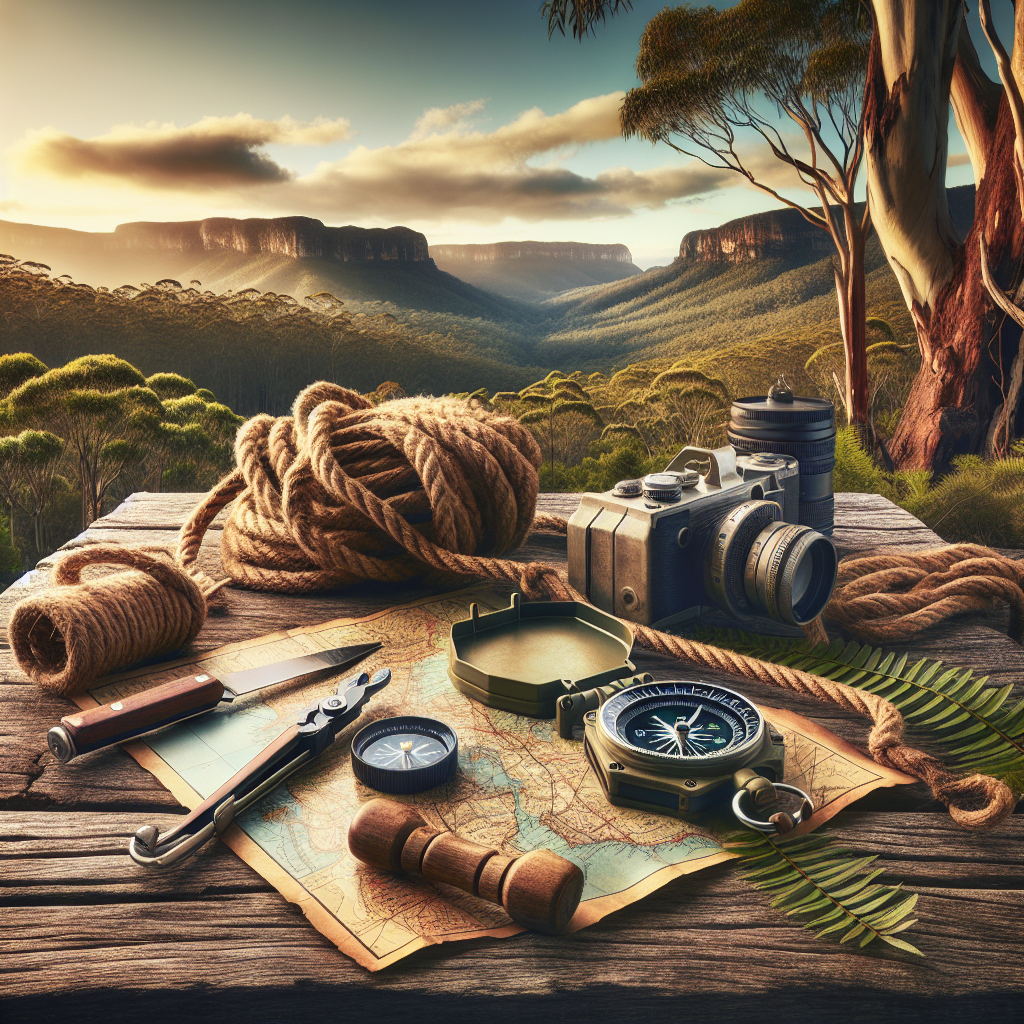
<p>Okay, so maybe map and compass navigation seems a little "retro" in the age of GPS. But trust me, these tools are timeless for a reason. They're reliable, they don't need batteries, and they force you to engage with your surroundings in a way that a GPS just can't.</p>
<h3>Understanding Topographic Maps</h3>
<p>Topographic maps are like the cheat codes to the wilderness. They show you elevation changes, water features, vegetation, and man-made structures. Learning to read topo lines is like learning a new language—once you get it, you can "read" the terrain around you. You know what? That's pretty darn cool.</p>
<h3>Compass Basics: Finding Your Way</h3>
<p>A compass isn't just a needle pointing north. It's a precision instrument that, when used correctly, can guide you through the thickest forests and across the most featureless landscapes. Learning about declination, bearings, and triangulation will transform your compass from a simple tool into a powerful ally.</p>
<h3>Combining Map and Compass: The Dynamic Duo</h3>
<p>The real magic happens when you combine your map and compass skills. Being able to orient your map, take a bearing, and follow it in the field is a skill that boosts your confidence and opens up a whole new world of off-trail exploration. It's like having a superpower, honestly!</p>
<h2>GPS Devices: Modern Marvels with Caveats</h2>

<hr>

<p>GPS devices are incredible tools. They can pinpoint your location, track your route, and even call for help in an emergency. But they're not foolproof. Let's talk about how to use them responsibly and effectively.</p>
<h3>Choosing the Right GPS</h3>
<p>There's a dizzying array of GPS devices out there, from handheld units to smartphone apps to dedicated GPS watches. The "best" one depends on your needs and your budget. Consider factors like battery life, screen size, durability, and preloaded maps.</p>
<h3>Using GPS Responsibly</h3>
<p>Here's the thing: GPS devices are only as good as the information you put into them. Always double-check your waypoints, be aware of potential errors, and never rely solely on GPS for navigation. Use it as a supplement to your map and compass skills, not a replacement.</p>
<h3>Power Management and Backup Plans</h3>
<p>Batteries die. It's a fact of life, especially in the backcountry. Carry extra batteries, consider a solar charger, and always have a backup navigation plan in place. A map and compass, anyone?</p>
<h2>Trail Marking Systems: Deciphering the Language of the Land</h2>

<hr>

<p>Trail markings are the breadcrumbs that guide you through the wilderness. Learning to recognize and interpret them can save you time, energy, and potentially your bacon. Different regions use different systems, so it's worth doing your homework before you hit the trail.</p>
<h3>Types of Trail Markers</h3>
<p>From blazes (painted marks on trees) to cairns (stacks of rocks) to ducks (small piles of rocks), trail markers come in many forms. Each type has its own purpose and its own set of rules. Understanding these nuances can help you stay on track.</p>
<h3>Following the Trail: Staying on Course</h3>
<p>It sounds simple, but following a trail can be trickier than it looks. Pay attention to the spacing and direction of trail markers, and be cautious when the trail becomes faint or overgrown. When in doubt, consult your map and compass.</p>
<h3>When Trails Disappear</h3>
<p>Trails sometimes vanish due to weather, erosion, or lack of maintenance. If you lose the trail, don't panic. Retrace your steps to the last known marker, consult your map and compass, and try to relocate the trail. If you can't find it, be prepared to navigate cross-country.</p>
<h2>Emergency Preparedness: Hoping for the Best, Preparing for the Worst</h2>

<hr>
<p>No one wants to think about emergencies, but they happen. Being prepared can make the difference between a minor inconvenience and a life-threatening situation. It's not about being paranoid; it's about being responsible.</p>
<h3>Essential Gear for Emergencies</h3>
<p>Your emergency kit should include items like a first-aid kit, a signaling device (whistle, mirror), a fire starter, a knife, extra food and water, and a shelter (tarp, bivy sack). Customize your kit to suit your specific needs and the environment you'll be in.</p>
<h3>Basic First Aid Knowledge</h3>
<p>Knowing how to treat common injuries like cuts, sprains, and burns is essential. Consider taking a wilderness first-aid course to learn more advanced skills. Even basic knowledge can be a game-changer in an emergency. Consider this resource from the American Red Cross to <a href="https://www.redcross.org/take-a-class/wilderness-first-aid" target="_blank"  noopener noreferrer>learn more about Wilderness First Aid</a>.
Signaling for Help
<p>If you need to call for help, you'll need to know how to signal effectively. A whistle is a simple, lightweight option; three blasts is the universal distress signal. A signal mirror can reflect sunlight over long distances. If you have cell service, use it wisely to provide accurate location information.</p>
<h2>Camp Security: Protecting Yourself and Your Belongings</h2>

<hr>

<p>Your campsite is your temporary home in the wilderness. Taking steps to ensure its security can provide peace of mind and prevent problems.</p>
<h3>Choosing a Safe Campsite</h3>
<p>Select a campsite that is away from hazards like dead trees, steep slopes, and water sources that could flood. Look for a level spot with good drainage and some natural protection from the elements.</p>
<h3>Food Storage: Keeping Critters Away</h3>
<p>Proper food storage is crucial for preventing encounters with bears and other wildlife. Use bear-resistant canisters or hang your food from a tree, following established guidelines. Never, ever feed the animals. Seriously, don't.</p>
<h3>Creating a Perimeter: Deterring Intruders</h3>
<p>A simple perimeter can deter both animals and humans from entering your campsite. Use natural barriers like logs and branches, or set up a tripwire with noisemakers like bells or cans. It's all about making your campsite less appealing to unwanted visitors.</p>
<h2>Risk Management: Anticipating and Mitigating Dangers</h2>

<hr>

<p>Camping involves inherent risks, but many of them can be managed with careful planning and awareness. The goal isn't to eliminate risk entirely, but to minimize it and make informed decisions.</p>
<h3>Assessing Potential Hazards</h3>
<p>Before you head out, research the area you'll be camping in and identify potential hazards like weather, wildlife, and terrain. Consider your own skills and limitations, and be realistic about what you can handle. Let's be honest, that climb looks easier from here than it is.</p>
<h3>Making Informed Decisions</h3>
<p>Every decision you make in the backcountry should be based on a careful assessment of the risks and benefits. Don't be afraid to turn back if conditions deteriorate or if you feel uncomfortable. It's always better to be safe than sorry.</p>
<h3>Knowing When to Turn Back</h3>
<p>Sometimes, the wisest decision is to abandon your plans and head back to civilization. This could be due to bad weather, injury, fatigue, or any other factor that compromises your safety. There's no shame in turning back; it's a sign of good judgment.</p>
<h2>Building Confidence: Experience is the Best Teacher</h2>

<hr>
<p>Reading about navigation and safety is a great start, but the real learning happens in the field. Start with small, controlled outings and gradually increase the challenge as your skills and confidence grow. Remember, every trip is a learning opportunity.</p>
<h3>Start Small, Think Big</h3>
<p>Don't try to tackle a multi-day backpacking trip as your first adventure. Start with a day hike or an overnight trip to a familiar area. As you gain experience, you can gradually increase the duration and difficulty of your trips.</p>
<h3>Practice Makes Perfect</h3>
<p>Practice your navigation skills regularly, even when you're not in the wilderness. Use a local park or nature preserve to hone your map and compass skills. The more you practice, the more comfortable you'll become.</p>
<h3>Learn from Others</h3>
<p>Connect with experienced campers and learn from their knowledge and experiences. Join a hiking club, take a navigation course, or ask a friend to mentor you. There's a wealth of knowledge out there, just waiting to be tapped.</p>
<p>Ultimately, camping navigation and safety is about more than just skills and gear. It's about mindset. It's about respecting the wilderness, being prepared for the unexpected, and making smart decisions. When you approach camping with confidence and awareness, you can unlock incredible experiences and create lasting memories. So get out there, explore, and be safe!</p>
<h2>Frequently Asked Questions</h2>
<div class="faq-item">

    <h3 class="faq-question"><b>What's the most essential item for camping navigation?</b></h3>

    <div class="faq-answer">

        <p>A map and compass are essential because they don't rely on batteries or signals. They're your reliable backup when technology fails. Knowing how to use them is the key!</p>

    </div>

</div>
<div class="faq-item">

    <h3 class="faq-question"><b>How can I improve my map-reading skills?</b></h3>

    <div class="faq-answer">

        <p>Start by studying topographic maps of familiar areas. Practice identifying landmarks, elevation changes, and different terrain features. The more you practice, the better you'll get at visualizing the landscape from the map.</p>

    </div>

</div>
<div class="faq-item">

    <h3 class="faq-question"><b>Is a GPS device enough for navigation, or do I need a map and compass too?</b></h3>

    <div class="faq-answer">

        <p>Always carry a map and compass as a backup. GPS devices can fail due to battery issues, signal loss, or damage. The map and compass ensure you can still navigate safely.</p>

    </div>

</div>
<div class="faq-item">

    <h3 class="faq-question"><b>What should I do if I get lost while camping?</b></h3>

    <div class="faq-answer">

        <p>Stay calm and avoid panicking. Retrace your steps to the last known point where you were on track. Consult your map and compass to get your bearings. If you can't find your way, stay put and signal for help.</p>

    </div>

</div>
<div class="faq-item">

    <h3 class="faq-question"><b>How can I protect my food from bears and other wildlife while camping?</b></h3>

    <div class="faq-answer">

        <p>Use bear-resistant canisters or hang your food from a tree at least 10 feet off the ground and 4 feet from the trunk. Never keep food in your tent, and always clean up any food scraps or spills.</p>

    </div>

</div>
<div class="faq-item">

    <h3 class="faq-question"><b>What are some essential items I should include in my emergency kit?</b></h3>

    <div class="faq-answer">

        <p>Include a first-aid kit, a signaling device (whistle, mirror), a fire starter, a knife, extra food and water, and a shelter (tarp, bivy sack). Customize your kit based on your specific needs and the environment you'll be in.</p>

    </div>

</div>

 <div class="faq-item">

    <h3 class="faq-question"><b>How often should I practice my camping navigation skills?</b></h3>

    <div class="faq-answer">

        <p>Practice frequently, even when you're not planning a camping trip. Use local parks or nature preserves to hone your map and compass skills. Regular practice will keep your skills sharp and boost your confidence.</p>

    </div>

</div>
<hr>

   <h4>DISCLAIMER</h4>

   <p>This article provides general guidance on camping navigation and safety. It is essential to consult with experienced professionals and adapt your strategies to specific conditions and environments. The author and publisher are not responsible for any incidents or injuries that may occur while camping.</p>
<script>

    document.addEventListener('DOMContentLoaded', function() {

        var faqItems = document.querySelectorAll('.faq-item');
faqItems.forEach(function(item) {

            var question = item.querySelector('.faq-question');
question.addEventListener('click', function() {

                item.classList.toggle('open');

            });

        });

    });

</script>



 Dune 7.6 Ultralight 2-Person Tent for All-Season Adventures Rated 5.00 out of 5$113.63 – $120.74Price range: $113.63 through $120.74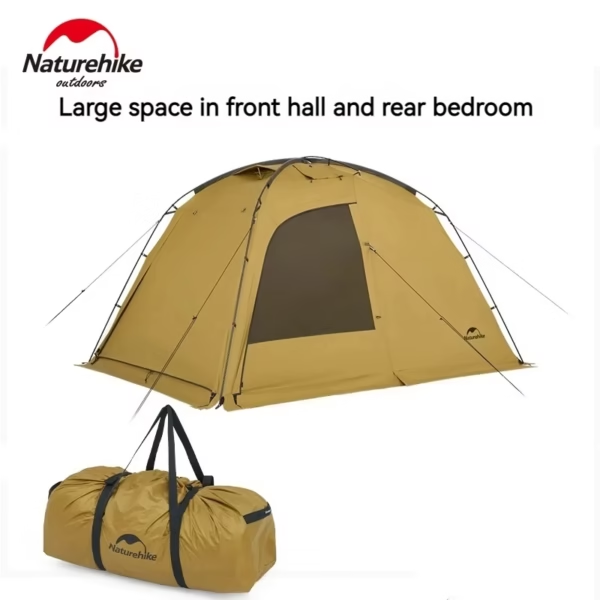



 Ultimate 2-3 Person Inflatable Kayak for Fishing Fun Rated 5.00 out of 5






 Camping Gear
 Camping Chair
 Camping Table
 Sleeping Bags
 Camping Bed
 Sleeping Gear
 Storage Bags
 BBQ Portable
 Camping Tents
 Gazebos
 Outdoor Cooler
 Cookware
 Power
Power Camping Light
 Flashlight
 Portable Solar
 Power Banks
 Fish Finders
 Fishing Bags
 Fishing Jerseys
 Fishing Reels
 Fishing Chairs
 Fishing Bait Boat
 Fishing Floats
 Hard Baits
 Hiking Vests
 Outdoor Bags
 Water Filters
 Paracord
 Walkie Talkie
 Paddleboards
 Boats
Boats Sea Scooter
 Accessories
 Electric Bike
 Electric Scooter
Recent Comments