

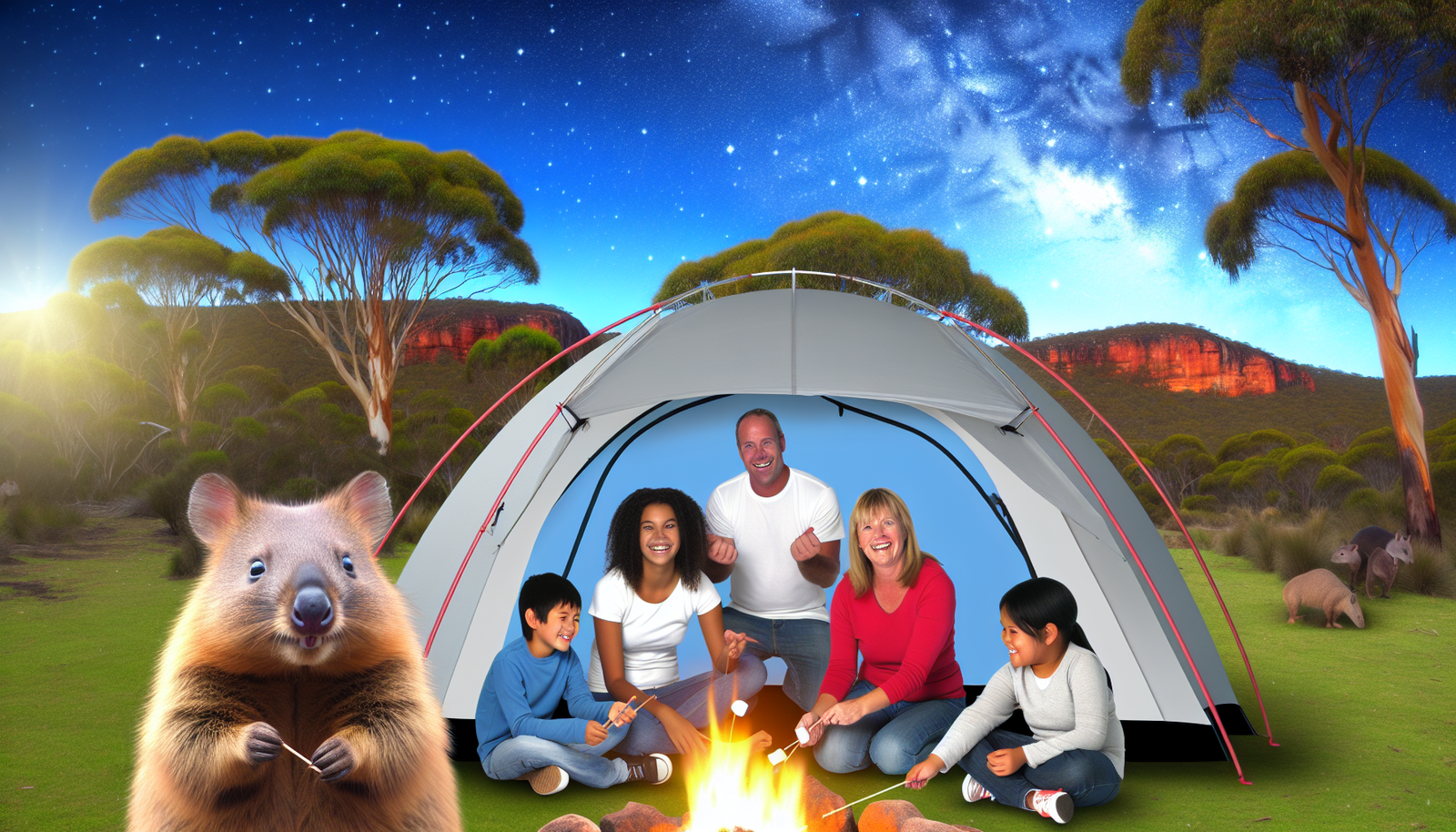

Picking the right family camping tent? It’s kind of like choosing a new house – only this one you pack on your back (or at least in the car!). You want it to be comfortable, reliable, and, let’s be honest, not a total pain to set up. After all, who wants to spend their precious vacation wrestling with tent poles when they could be roasting marshmallows?
Why the Right Tent Matters: More Than Just Shelter
It’s easy to think of a tent as just a temporary roof, but trust me, it’s way more than that. Your tent becomes the heart of your campsite, a safe haven from the elements, and a place where unforgettable family memories are made. A good tent can turn a potentially miserable, rain-soaked weekend into an epic adventure. A bad one… well, let’s just say you’ll be counting down the minutes until you can go home.
Think about it: midnight storytelling with the kids, the comforting sound of rain on the tent fly, the cozy feeling of being together in the great outdoors. These are the moments that camping is all about. But if you’re cramped, wet, or constantly battling a collapsing structure, those moments get a whole lot less magical and a whole lot more stressful.
Honestly, nothing kills the camping vibe faster than a leaky tent. Believe me, I’ve been there. Waking up in a puddle is no one’s idea of a good time. I remember one trip where… well, let’s just say my brother swore off camping for a solid 5 years after that experience. So, yeah, choosing wisely is pretty important.
Sizing It Up: How Much Space Do You Really Need?
Manufacturers love to slap a “sleeps X people” label on their tents, but those numbers can be a bit…optimistic. A tent that “sleeps 6” might technically fit six adults, but you’ll all be crammed in like sardines. And where are you going to put all your gear? Backpacks, sleeping bags, clothes – it adds up fast.
Here’s a good rule of thumb: aim for a tent that sleeps at least one or two people *more* than your actual family size. This gives you some breathing room and extra space for gear.
- For a family of 4: Consider a 6-person or even an 8-person tent, especially if you have older kids who need their personal space.
- For a family of 5-6: Look at 8-person or larger tents. You might even consider two smaller tents if you prefer separate sleeping arrangements.
Besides sleeping space, think about headroom. Can you stand up comfortably inside the tent? This can make a huge difference, especially if you’re spending a lot of time inside during bad weather. Taller tents are generally more comfortable, but they can also be more challenging to set up and more susceptible to wind. You know what they say – balance, balance, balance.
Another option is a multi-room tent. These offer separate sleeping areas, which can be great for privacy or for keeping the kids’ toys out of your sleeping space. Plus, having a designated “living room” area can be a lifesaver on rainy days.
Tent Types: From Domes to Cabins (and Everything In Between)
Oh boy, here’s where things get interesting. The tent world is full of different shapes and sizes, each with its own set of pros and cons. Let’s check some common types:
- Dome Tents: These are your classic, all-around tents. They’re relatively easy to set up, lightweight, and offer good weather protection — perfect for weekend adventures.
- Cabin Tents: As the name suggests, these tents have more vertical walls, giving you more headroom and a more spacious feel. They’re great for family camping, but can be heavier and more challenging to set up than dome tents.
- Tunnel Tents: These elongated tents offer a lot of living space, making them ideal for longer camping trips. They’re typically more wind-resistant than cabin tents, but can be a bit trickier to pitch.
- Pop-Up Tents: For the ultimate in convenience, pop-up tents can be set up in seconds. However, they tend to be smaller and less durable than other types of tents. Honestly, I wouldn’t be able to help you if you get caught in a storm with this type of tent.
- Geodesic Tents: These tents, characterized by their dome shape and interconnected pole structure, are renowned for their strength and stability. Designed for durability, they excel in harsh weather conditions, making them perfect for mountaineering and expeditions in challenging environments.
Consider your typical camping style and the types of environments you’ll be camping in when making your selection. If you mostly camp in established campgrounds with mild weather, a cabin tent might be a great choice. But if you’re planning on backpacking or camping in exposed areas, a dome or tunnel tent might be a better option.
.
Material Matters: Staying Dry and Comfortable
The fabric of your tent is another crucial factor to consider. Look for tents made from durable, waterproof materials like polyester or nylon.
- Polyester: Resistant to UV damage and water absorption, perfect for sunny conditions.
- Nylon: Lightweight and strong, but can stretch when wet, requiring coatings for water resistance.
Pay attention to the denier (D) rating of the fabric – a higher denier indicates a thicker, more durable material. For example, a 75D fabric will be more robust than a 68D fabric.
Also, check the waterproof rating, measured in millimeters (mm). A rating of 1500mm or higher is generally considered waterproof. You’ll also need a rainfly – an extra layer of waterproof material that covers the top of the tent.
Don’t forget about breathability! Condensation can build up inside your tent, especially in humid conditions. Look for tents with mesh panels or vents to allow for airflow and reduce condensation.
Pro Tip: Even with a waterproof tent, it’s always a good idea to use a footprint – a ground tarp that protects the bottom of your tent from abrasion and moisture.
Pole Position: Strength and Stability
Tent poles are like the tent’s skeleton – they provide the structure and support that keeps everything standing. The quality and material of the poles can make a big difference in the tent’s stability and durability.
Fiberglass poles are common in budget-friendly tents, but they can be prone to breaking, especially in strong winds. Aluminum poles are lighter, stronger, and more durable, making them a better choice for serious campers. Steel poles are the sturdiest, but they’re also the heaviest, making them best suited for car camping where weight isn’t a major concern.
The pole design also plays a role in the tent’s stability. More poles generally mean more support, especially in windy conditions. Look for tents with features like reinforced pole sleeves and guy-out points, which allow you to further secure the tent to the ground.
Honestly, nothing is worse than being kept awake all night by a collapsed tent pole that keeps hitting your face. Well, maybe waking up in a puddle, but hey, you can’t win them all! Trust me, investing in a tent with quality poles is worth it for the peace of mind alone.
Features to Look For: The Little Things That Make a Big Difference
When choosing a family camping tent, it’s the little details that can really make a difference in your overall camping experience.
- Storage Pockets: Keep your essentials organized and within easy reach with interior storage pockets.
- Gear Lofts: Maximize vertical space and keep your gear off the floor with a gear loft.
- Electrical Cord Access: Run an extension cord into your tent without letting bugs in. A small zip-up opening usually located near the bottom corner of the tent.
- Doormats: Keep the inside of your tent clean by placing a doormat at the entrance.
- Lantern Hooks: Hang a lantern from the ceiling for convenient illumination.
- Multiple Doors: Avoid climbing over each other in the middle of the night by choosing a tent with multiple doors.
- Large Windows: Enjoy panoramic views and plenty of natural light with large windows!
Also, consider the size and placement of the doors. A large door makes it easier to get in and out, especially when you’re carrying gear. Doors with awnings can provide extra protection from the rain.
Having a tent with good ventilation is another important feature, especially during humid conditions. Look for tents with adjustable vents and mesh panels, which allow air to circulate and reduce the probability of condensation build-up.
You know what? It’s funny when you think about it. It’s these little things – like having a convenient place to store your headlamp or being able to stand up without hunching over – that can really elevate your camping experience from mediocre to amazing. That’s why they say details are important.
Setting Up Camp: Tips for Easy and Efficient Tent Pitching
Okay, you’ve got your dream tent – now comes the fun part: setting it up! Pitching a tent can seem daunting at first, but with a little practice and the right techniques, it can become a breeze.
- Practice at Home: Before you head out on your camping trip, set up your tent in your backyard or living room. This will give you a chance to familiarize yourself with the setup process and identify any potential problems.
- Read the Instructions: This may seem obvious, but it’s important to read the manufacturer’s instructions carefully. They’ll provide specific guidance on how to set up your tent properly.
- Choose a Level Spot: Look for a flat, level area that’s free of rocks, roots, and other debris. This will make for a more comfortable sleeping surface and protect the bottom of your tent.
- Use a Footprint: As mentioned earlier, a footprint will protect the bottom of your tent from abrasion and moisture.
- Stake It Down: Use tent stakes to secure your tent to the ground. Make sure the stakes are driven in at a 45-degree angle for maximum holding power.
- Guy It Out: Use guy lines to further stabilize your tent, especially in windy conditions. Attach the guy lines to the tent’s guy-out points and stake them out away from the tent.
- Tighten the Rainfly: Make sure the rainfly is properly tightened to prevent water from pooling on top of the tent.
Pro Tip: Recruit the whole family to help with the tent setup process. This way, everyone will know how to pitch the tent, and you’ll get the job done faster. Also, a great way to build team work!
Maintenance and Care: Extending the Life of Your Tent
A good quality camping tent can be a significant investment, so it’s important to take care of it properly to extend its lifespan. With proper maintenance and care, a well-maintained tent can last for many years of camping adventures.
- Clean It Regularly: After each camping trip, clean your tent with a mild soap and water solution. This will remove dirt, dust, and other debris that can damage the fabric.
- Dry It Thoroughly: Always make sure your tent is completely dry before storing it. This will prevent mold and mildew from growing.
- Store It Properly: Store your tent in a cool, dry place, away from direct sunlight. Avoid storing it in a stuff sack for extended periods, as this can cause wrinkles and creases in the fabric.
- Repair Damaged Areas: If you notice any rips, tears, or other damage to your tent, repair them as soon as possible. Small repairs can prevent bigger problems down the road.
- Waterproof It Periodically: Over time, the waterproof coating on your tent can wear off. Reapply a waterproof coating every few years to maintain its water resistance. There are some pretty good materials made by Nikwax Link to Nikwax for taking care of tents.
Let me explain something: Think of your tent like your car. You wouldn’t drive your car for years without changing the oil or getting a tune-up, right? The same principle applies to your tent. Regular maintenance will keep it in good condition and ensure that it’s ready for your next camping adventure.
Making the Right Choice for Your Family
Finding the ideal family camping tent is a bit like finding the perfect pair of hiking boots – it takes some research, trial and error, and a good understanding of your own needs and preferences. This is a decision you can’t go wrong with, because you are investing in your family and in the outdoors!
So, what are you waiting for? Start planning your next camping adventure! With the right tent, you’ll be well on your way to creating unforgettable memories with your loved ones in the great outdoors.
FAQ Section
DISCLAIMER
Readers are advised to research extensively and consider various factors, including weather conditions, terrain, and personal needs, before making any decisions related to camping equipment and activities. The author and publisher are not responsible for any injuries, damages, or losses incurred as a result of using the information provided in this article. Always prioritize safety and consult with experienced outdoor professionals for guidance when necessary.
Categories
- Navigation & Safety (68)
- Shelter & Sleep (72)
Top rated products
-
 UNIKOO UK224 Mini Walkie Talkies: Adventure Awaits, Stay Connected! Rated 5.00 out of 5
$49.74Original price was: $49.74.$34.67Current price is: $34.67. -
Nature Bell 185 cm Folding Cot: Comfort On-the-Go Adventure Bed Rated 5.00 out of 5$35.61 – $37.99Price range: $35.61 through $37.99
-
Tactical Mini Flashlight: 150 Lumen Power for Glock & Hellcat Rated 5.00 out of 5
$122.88Original price was: $122.88.$85.65Current price is: $85.65.


Product Gallery
-
 Ultimate 2-3 Person Inflatable Kayak for Fishing Fun Rated 5.00 out of 5
$1,534.01Original price was: $1,534.01.$1,069.16Current price is: $1,069.16. -
VEVOR 550 lb Heavy-Duty Folding Wagon & Bench for Adventurers
$154.27 – $250.78Price range: $154.27 through $250.78
-
Adventure-Ready Ultra Bright LED Headlamp with 3 Modes
$4.62 – $24.86Price range: $4.62 through $24.86













 Camping Gear
 Camping Chair
 Camping Table
 Sleeping Bags
 Camping Bed
 Sleeping Gear
 Storage Bags
 BBQ Portable
 Camping Tents
 Gazebos
 Outdoor Cooler
 Cookware
 Power
Power Camping Light
 Flashlight
 Portable Solar
 Power Banks
 Fish Finders
 Fishing Bags
 Fishing Jerseys
 Fishing Reels
 Fishing Chairs
 Fishing Bait Boat
 Fishing Floats
 Hard Baits
 Hiking Vests
 Outdoor Bags
 Water Filters
 Paracord
 Walkie Talkie
 Paddleboards
 Boats
Boats Sea Scooter
 Accessories
 Electric Bike
 Electric Scooter
Recent Comments