

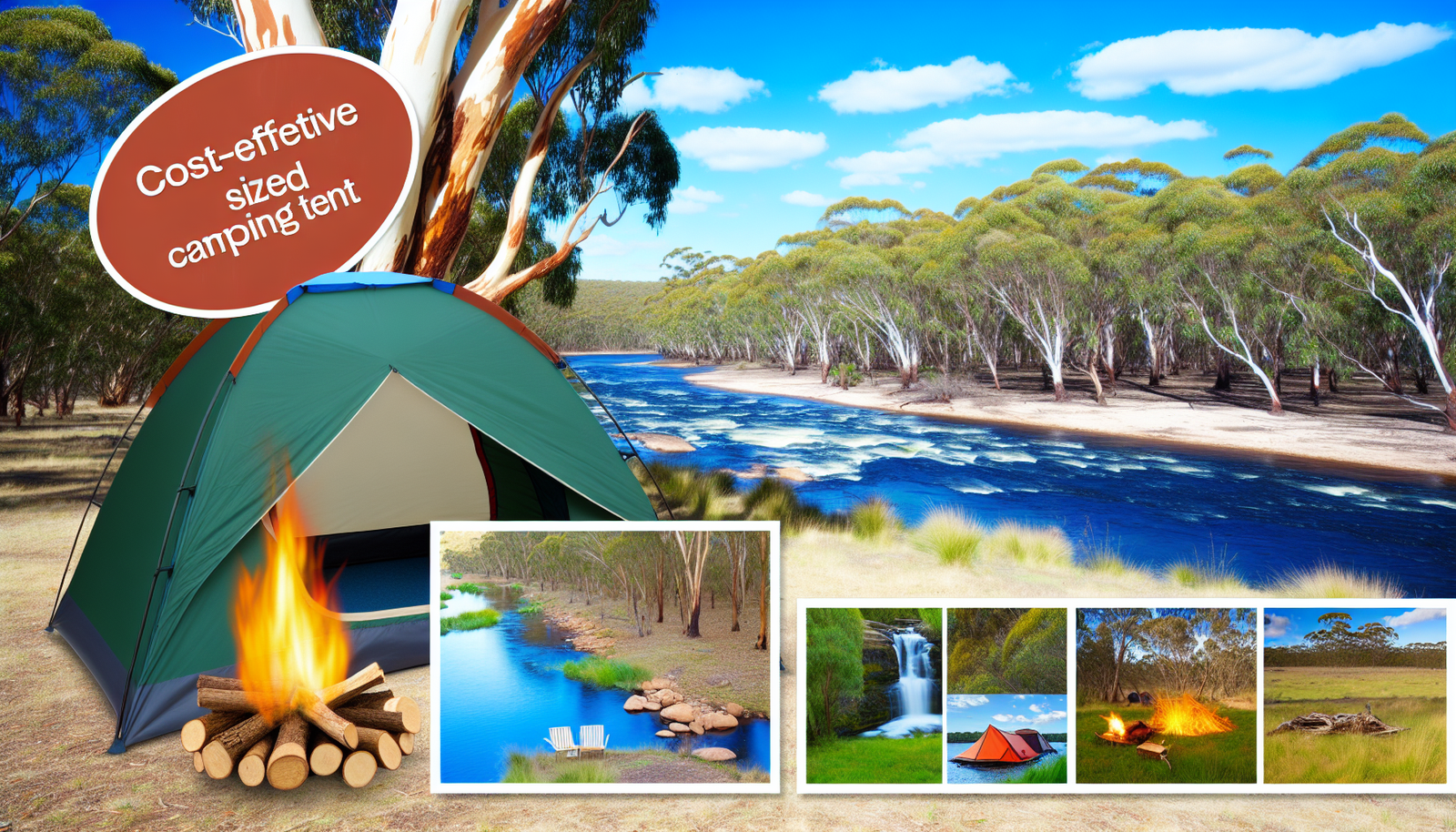

Planning a family camping trip? Awesome! But let’s be real: the gear can get expensive. That’s especially true when it comes to the tent, the centerpiece of your outdoor home-away-from-home. You don’t have to empty your wallet to get a quality tent that’ll keep your family comfortable and dry. So, how do we navigate the wild world of camping tents to find that sweet spot between quality and affordability? Let’s get into it.
What Exactly Makes a Tent “Family-Friendly?”
Before we even start looking at prices and materials, we need to define what we mean by a “family” tent. It’s not just about fitting everyone inside, though space is definitely a factor. It’s also about functionality, durability, and ease of use. After all, who wants to wrestle with tent poles after a long day of hiking (least of all the kids!).
Size Matters: How Much Space Do You Really Need?
Tent sizes are usually listed by the number of people they can supposedly accommodate. Here’s a little secret: those numbers are usually… optimistic. Think of it this way: a “4-person tent” might fit four people packed in like sardines, with absolutely no room for gear. Not ideal.
A good rule of thumb is to always upsize. If you have a family of four, consider a six-person tent. This gives you room for sleeping bags, backpacks, and, crucially, wriggle room. You know, for those midnight bathroom runs, or epic family card games.
Consider also how your family sleeps. Do your kids like to spread out? Are you bringing a dog? All these things impact the space you’ll need. A little extra room makes a big difference in comfort. Also, think about ceiling height. Being able to stand up straight can be a real back-saver, especially on longer trips. No one wants to spend their vacation hunched over.
Tent Types: Dome, Cabin, Tunnel… What’s the Deal?
The tent world is full of different shapes and sizes, and each type has its pros and cons. It can actually be a bit ovewhelming, if I’m honest!
Dome Tents: The Classic Option
Dome tents are probably what come to mind when you picture a tent. They’re typically lightweight, easy to set up, and reasonably priced. The curved walls do mean less headroom towards the edges, but they are very good in windy conditions. These are your go-to for just about any kind of camping, from short weekend trips to base camps.
Cabin Tents: More Like a Home, Less Like a Tent
Cabin tents have near-vertical walls, creating a more spacious, home-like feel. They’re fantastic for families who want the ability to stand up and move around comfortably. Many have room dividers to create separate “rooms” for added privacy. They’re usually heavier and more expensive than dome tents, and not ideal for super windy conditions.
Tunnel Tents: Spacious but Specialized
Tunnel tents are long and low to the ground, offering excellent space and wind resistance. However, they can be a bit trickier to set up than dome tents, often requiring more stakes to be secure. These are more commonly used by backpackers and climbers in extreme weather conditions.
Materials: What Your Tent Is Made Of (and Why It Matters)
The material of your tent dictates how well it holds up against the elements. Let’s break down the most common options:
Polyester: The Budget-Friendly Workhorse
Polyester is a synthetic fabric that’s lightweight, water-resistant, and affordable. It’s a great choice for casual campers who don’t need extreme weather protection. Cheaper polyester can degrade under prolonged sun exposure, so look for a tent with a UV-resistant coating if you live in a sunny area. Also, keep in mind that polyester is generally not as durable as nylon.
Nylon: Stronger and More Durable
Nylon is a more robust synthetic fabric that offers better water resistance and durability than polyester. It’s also lighter, so it’s a good choice for backpackers. Nylon is typically more expensive than polyester. A good way to look at it is nylon is like the hiking boot of textiles. It’s more suitable for frequent camping with more rugged environments.
Canvas: Old-School Cool (But Heavy)
Canvas tents are the classic choice, known for their durability and breathability. They’re also very heavy and expensive, making them less practical for car camping. Canvas is a great option if you plan to set up a semi-permanent campsite, like a hunting tent, or Glamping site. Just for the record – that is absolutely, positively, a completely different ballgame!
Water Resistance: Hydrostatic Head Explained
When talking about tent materials, you’ll often see a term called “hydrostatic head.” This measures how much water pressure the fabric can withstand before it starts to leak. A rating of 1500mm is usually considered waterproof for a tent floor, while 1000mm is suitable for the tent fly. Now, you thinking about mm of water… Don’t overthink it! Just remember higher number is better.
Budget-Friendly Features to Look For
You don’t need all the fancy bells and whistles to have a great camping experience. Here are some key features to prioritize without breaking the bank:
Rainfly Coverage: Keep the Water Out
Make sure the tent has a full rainfly that covers the entire tent, not just the top. This will provide complete protection from rain and wind. A partial rainfly might save a bit of money upfront, but you’ll regret it during the first downpour.
Sturdy Poles: Don’t Skimp on Support (Literally!)
Fiberglass poles are common in budget-friendly tents, but they can be prone to breaking. Aluminum poles are stronger and more durable, but they also add to the cost. If you can swing it, aluminum poles are a worthwhile investment.
Good Ventilation: Say Goodbye to Condensation
Proper ventilation is crucial to prevent condensation inside the tent. Look for vents in the roof and windows with mesh panels to allow for airflow. No one wants to wake up in a damp tent, and you surely won’t want to be responsible for that type of camping trip. Ventilation is good for keeping the bugs out while maintaing fresh air circulation.
Durable Floor: A Barrier Against the Ground
A bathtub-style floor, where the floor fabric extends up the sidewalls, offers better water protection. Also, consider using a footprint (a ground cloth or tarp) underneath the tent to protect the floor from abrasion and punctures. This will significantly extend the lifespan of your tent.
Where to Buy: Finding the Best Deals
Okay, now that we know what to look for, where do we actually find these tents without blowing our budget? A few options:
Online Retailers: A World of Choice
Websites like Amazon, REI, and other outdoor retailers offer a huge selection of tents at competitive prices. Read reviews carefully and compare prices before making a purchase. And always, always, always look for sales and clearance deals.
Discount Stores: Hidden Gems
Stores like TJ Maxx and Sierra Trading Post often carry discounted outdoor gear, including tents. Selection can be hit-or-miss, but you can sometimes find incredible deals on quality brands. It’s like a treasure hunt!
Used Gear Markets: Secondhand Savings
Websites like Craigslist and Facebook Marketplace can be great places to find used tents at a fraction of the original price. Just inspect the tent carefully for any damage before buying. Asking the seller questions about it’s use and storage history can be helpful to get an idea of how well it has been maintained.
Check for Seasonal Sales
Look out for end-of-season sales (fall and winter) when retailers are clearing out inventory to make room for new models. This is often the best time to score a deep discount on a quality tent.
Setting Up Camp: Tips for Tent Longevity
Even a budget-friendly tent can last for years with proper care and maintenance. Here are a few tips:
Clean It After Every Trip: Dirt Is the Enemy
Wipe down the tent with a damp cloth to remove dirt and debris. Never store a tent while it’s wet or dirty, as this can lead to mildew and damage the fabric.
Store It Properly: Dry and Loose
Store the tent in a cool, dry place, away from direct sunlight. Avoid packing it too tightly, as this can stress the fabric and seams. Most tents will come with a stuff sack for storage.
Repair Tears and Holes: Patch It Up
Repair any tears or holes as soon as possible to prevent further damage. Use tent repair tape or a patching kit to fix small tears. For larger repairs, consider taking it to a professional.
Waterproofing: When to Retreat
Over time, the waterproof coating on your tent can wear off. Reapply a waterproofing spray to maintain its water resistance. Pay special attention to the seams, as these are often the first areas to leak.
Beyond the Tent: Other Budget-Friendly Camping Gear
Of course, the tent is just one piece of the puzzle. Here’s a quick rundown of other essential camping gear you can find without busting the bank:
Sleeping Bags: Stay Warm and Cozy
Look for sleeping bags with synthetic insulation, as they’re generally more affordable and perform better in damp conditions than down. Check the temperature rating to ensure it’s suitable for the weather you expect.
Sleeping Pads: Comfort Is Key
Closed-cell foam sleeping pads are a budget-friendly option that provides insulation and cushioning. Inflatable pads are more comfortable but also more expensive and prone to punctures.
Camp Stove: Cook Up a Feast
A basic propane camp stove is an affordable and reliable way to cook meals at your campsite. Look for one with two burners for added versatility.
Camp Chairs: Relax in Style
Folding camp chairs are a must-have for relaxing around the campfire. Look for sturdy chairs that can support your weight and are easy to carry.
Making Memories, Not Breaking the Bank
Ultimately, choosing a family camping tent on a budget is all about prioritizing what’s most important to you. Yeah, you might not get all the high-end features or the most fancy materials but you can absolutely find a quality tent that will keep your family safe, comfortable, and dry. Then you can create awesome family memories in the great outdoors, and that’s what really matters.
With a little research and planning, you can find the perfect tent that fits your needs without emptying your wallet. So, pack your bags, gather your family, and get ready for an unforgettable camping adventure!
FAQ: Your Burning Tent Questions Answered
Here are a few extra reading sources, that can help with your tent endeavor:
DISCLAIMER
As an AI chatbot, I am not a camping expert nor hold expertise on any claims or advice stated in this article. The information provided in this article is intended for informational and entertainment purposes only and does not constitute professional advice. Camping and outdoor activities involve inherent risks. Readers should consult with qualified experts and conduct their own research before making any decisions related to camping gear or outdoor activities. The author and publisher are not responsible for any injuries, damages, or losses incurred as a result of using the information provided in this article.
Always prioritize safety, follow local regulations, and respect the environment.
Categories
- Navigation & Safety (68)
- Shelter & Sleep (72)
Top rated products
-
 Compact 70 CM Fishing Rod Bag - Your Adventure Awaits! Rated 5.00 out of 5$14.20 – $18.17Price range: $14.20 through $18.17
 -
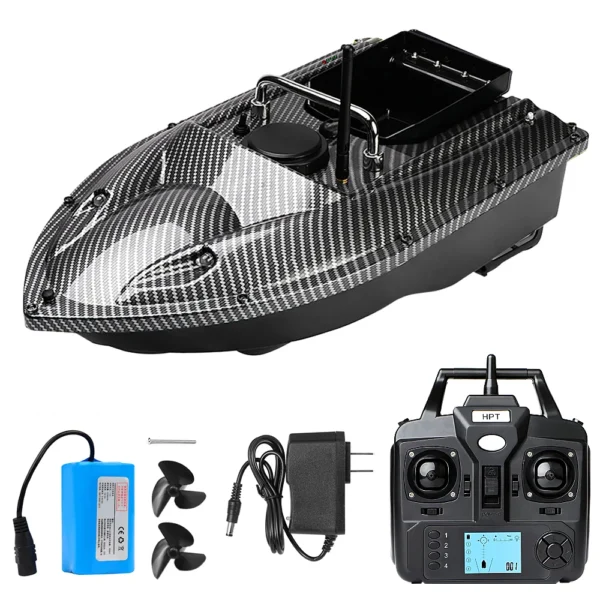
Elevate Your Fishing with C118 GPS Remote Bait Boat Rated 5.00 out of 5
$307.61Original price was: $307.61.$214.40Current price is: $214.40. -
CNSUP 12 ft Inflatable Yellow Paddle Board - Adventure Awaits! Rated 5.00 out of 5$280.24 – $479.36Price range: $280.24 through $479.36



Product Gallery
-
 Ultimate 2-3 Person Inflatable Kayak for Fishing Fun Rated 5.00 out of 5
$1,537.10Original price was: $1,537.10.$1,071.31Current price is: $1,071.31. -
VEVOR 550 lb Heavy-Duty Folding Wagon & Bench for Adventurers
$154.16 – $250.60Price range: $154.16 through $250.60
-
Adventure-Ready Ultra Bright LED Headlamp with 3 Modes
$4.63 – $21.74Price range: $4.63 through $21.74













 Camping Gear
 Camping Chair
 Camping Table
 Sleeping Bags
 Camping Bed
 Sleeping Gear
 Storage Bags
 BBQ Portable
 Camping Tents
 Gazebos
 Outdoor Cooler
 Cookware
 Power
Power Camping Light
 Flashlight
 Portable Solar
 Power Banks
 Fish Finders
 Fishing Bags
 Fishing Jerseys
 Fishing Reels
 Fishing Chairs
 Fishing Bait Boat
 Fishing Floats
 Hard Baits
 Hiking Vests
 Outdoor Bags
 Water Filters
 Paracord
 Walkie Talkie
 Paddleboards
 Boats
Boats Sea Scooter
 Accessories
 Electric Bike
 Electric Scooter
Recent Comments