

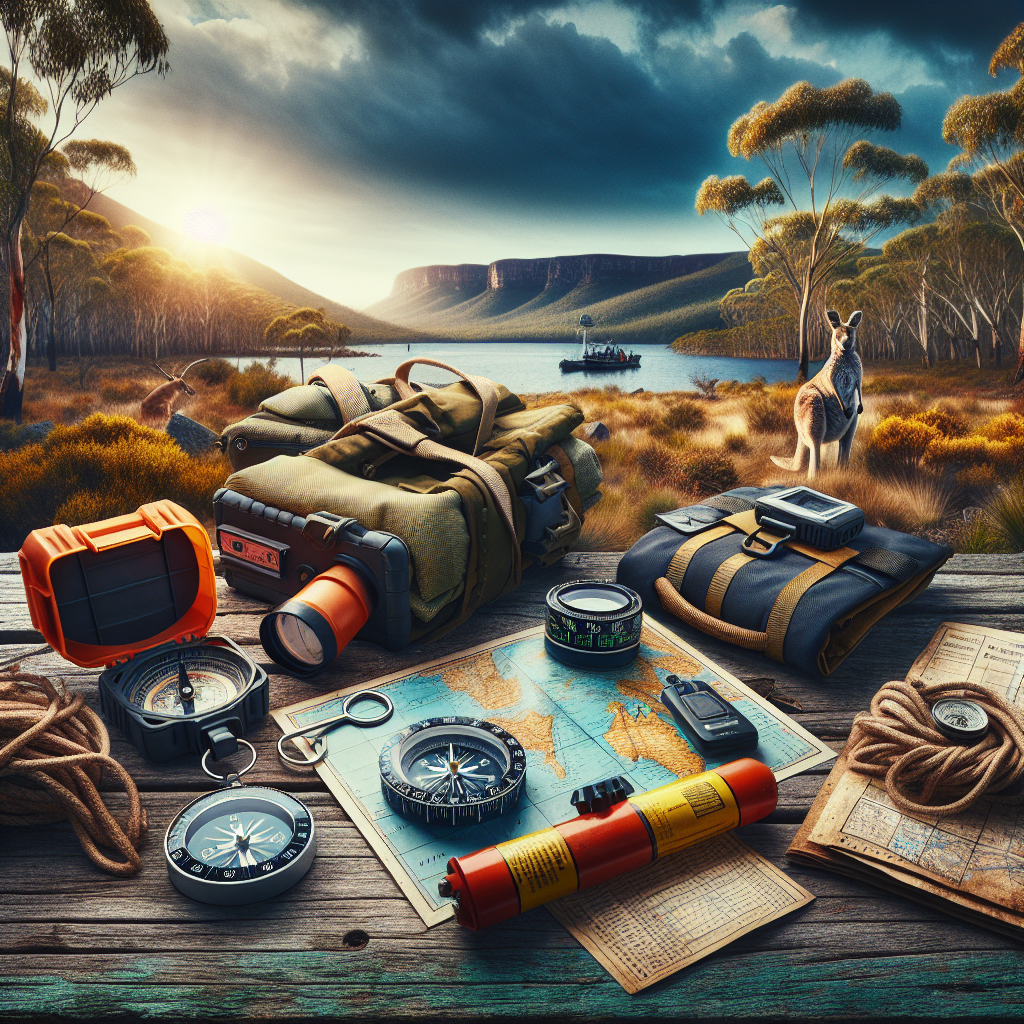

So, you’re planning a camping trip? Awesome! Getting back to nature is fantastic, but let’s be real: it’s not always sunshine and s’mores. Whether you’re a seasoned explorer or a first-time camper, knowing how to navigate safely, build a secure camp, and manage emergencies is absolutely essential. This isn’t just about having a good time; it’s about staying alive and well out there. You with me?
Why Navigation Skills Are Non-Negotiable
Think of navigation skills as your brain in the wilderness. They keep you from wandering into trouble, help you find your way when things get hairy, and let you explore with confidence instead of anxiety.
We’re not just talking about avoiding getting lost either – though that’s definitely a big part of it. Good navigation also means understanding terrain, anticipating hazards, and making smart decisions about your route.
I mean, a wrong turn might lead you closer to bears or make it hard to find water. So, knowing where you are and where you’re going is key to having a safe and enjoyable trip. Let me be clear – this is ground zero.
You know what? It’s like driving a car: you wouldn’t hit the road without knowing the rules of the road, right? Same goes for the backcountry.
A great campsite is worth it, but so is getting back to the car safely!
Essential Navigation Tools: More Than Just Your Phone
Okay, let’s talk gear. Your smartphone might seem like the ultimate tool, but it’s not always reliable when you’re far from charging sources and cell towers. A map and compass are like backup dancers—dependable and always ready. Here’s the hit list:
- Topographic Map: Shows elevation changes, water sources, trails, and landmarks. It’s the big picture.
- Compass: A reliable tool for finding direction. Learn how to use it with a map!
- GPS Device (optional): Helps pinpoint your location with satellite precision. But, remember batteries die, so don’t rely solely on this.
- Altimeter (optional): Measures altitude. Great for tracking your progress and correlating with your map.
- Headlamp or Flashlight: Essential for navigating in the dark.
You might be thinking, “Do I really need all this stuff?” Well, it depends. But honestly, I’ve never regretted having more tools than I needed, especially in the backcountry.
Investing in quality gear and learning how to use it is money well spent. It’s not just about having the fanciest gadgets; it’s about having the right tools for the job and knowing how to use them effectively.
Mastering Map and Compass: The Old-School Cool Way
Let’s be honest — the map and compass feels like wizardry in the digital age. It’s not as simple as pressing a button, but it’s way more reliable when the grid is down. Here’s a crash course:
- Orienting Your Map: Align the map with the terrain using your compass. This gives you a visual reference of where you are in relation to your surroundings.
- Taking a Bearing: Use your compass to determine the direction to a landmark on your map. This helps you navigate from one point to another.
- Following a Bearing: Keep your compass aligned and follow the direction it indicates. Practice this in an open area before you hit the trail.
- Triangulation: Identify two or three landmarks on your map and in your surroundings. Use your compass to take bearings to each landmark and plot them on your map. The intersection of these lines is your approximate location.
It’s a good idea to practice these skills in a familiar area before relying on them in the backcountry. That way, when you’re out there, you can trust your skills.
Practice regularly, and pretty soon, map and compass navigation will become second nature. And trust me, there’s a certain satisfaction that comes with mastering these skills. Also, it’s cool at bars to whip out your phone with a map and compass app. People think you’re awesome.
GPS Devices: High-Tech Help Without the Hype
Okay, gearheads, GPS devices can be lifesavers. They pinpoint your location, track your route, and store waypoints. They’re packed with cool features, but they’re not foolproof!
The key? Get familiar with your device before you go.
- Load Maps: Be sure to load detailed topographic maps onto your GPS device before your trip.
- Mark Waypoints: Mark important locations like campsites, water sources, and trail junctions.
- Track Your Route: Use the GPS to record your path. This can be a lifesaver if you need to backtrack.
- Battery Life: Always carry extra batteries or a portable power bank. You don’t want your GPS dying on you in the middle of nowhere.
And honestly, don’t just rely on the GPS; use it in conjunction with a map and compass. That way, you’re covered if the technology fails.
They’re a great tool, but just remember they’re not infallible. The outdoors doesn’t care about your tech.
Trail Marking Systems: Decoding the Wilderness Signs
I hope this helps! Let me know if you’d like more ideas.
Have you ever heard people talk about blazes? It’s an agreed-upon standard of what nature looks like! It’s not a natural occurence! It’s the subtle language of the wilderness. From blazes to cairns, understanding trail markers is a must. Here’s what to look for:
- Blazes: Painted marks on trees are common in many regions. They usually indicate that you’re on the right trail. Be vigilant because sometimes blazes can be faded or missing.
- Cairns: Mounds of rocks are used in alpine or rocky areas where trees are scarce. They can be difficult to spot in poor visibility, so take your time.
- Flags and Ribbons: Often used in temporary or less maintained trails. Flags and ribbons can be easily displaced by wind or wildlife, so don’t depend on them entirely.
Sometimes, trail markers can be misleading or even vandalized. Trust your instincts and cross-reference with your map and compass to confirm your route.
I hope this helps! Let me know if you’d like more ideas.
Don’t just blindly follow the markers; pay attention to the surrounding terrain to make informed decisions, ok?
Camp Security: Keeping Critters (and Worse) at Bay
Your campsite is your temporary home, so you need to protect it. That means securing your food, setting up camp in safe locations, and being aware of your surroundings. Here’s the lowdown:
- Food Storage: Store food in bear-resistant containers or hang it from a tree at least 10 feet off the ground and 4 feet from the trunk. This keeps critters from becoming unwanted dinner guests.
- Camp Location: Pitch your tent in a clear, level area away from hazards like dead trees, cliffs, and water sources (to avoid flash floods).
- Perimeter Check: Before dark, check your surroundings for signs of wildlife and potential hazards.
- Noise Awareness: Make noise while hiking to avoid surprising animals. Carry bear spray and know how to use it.
Honestly, camp security is more than just keeping animals away; it’s about protecting yourself and your gear. And always, always pack out all your trash. Leave no trace, you know?
And of course, let someone know your plans and when you expect to be back. If something goes wrong, it’s good to have someone looking out for you.
Emergency Preparedness: When Things Go Sideways
Here’s the hard truth: stuff happens. Being prepared for emergencies is about having the right gear, the right knowledge, and the right attitude. So, let’s get real about what you need to know:
- First Aid Kit: Carry a comprehensive first aid kit and know how to use everything in it.
- Emergency Shelter: Pack a lightweight emergency blanket or bivy sack. In a pinch, it could save your life.
- Signaling Devices: Carry a whistle, signal mirror, and brightly colored cloth to signal for help.
- Communication: A satellite communicator or personal locator beacon (PLB) can be a game-changer in remote areas where cell service is nonexistent.
I realize that most people think of emergencies as exceptions, but you need to think of them as just another part of the trip.
Learn basic survival skills like building a fire, finding water, and constructing a shelter. These skills can be invaluable in an emergency situation.
Always have a plan B and a plan C. The wilderness doesn’t care about your perfect itinerary.
Understanding Weather Patterns: Nature’s Mood Swings
Being able to read the weather is huge. Weather can change rapidly, especially in mountainous areas. Understanding weather patterns helps you plan your trip and anticipate hazards. Here’s what you need to know:
- Check the Forecast: Before you go, check the weather forecast for the area you’ll be visiting. But don’t rely on it entirely.
- Watch the Sky: Learn to recognize signs of changing weather, like approaching storm clouds or sudden temperature drops.
- Elevation Matters: Be aware that weather conditions can vary greatly depending on your elevation.
- Be Prepared for Anything: Pack clothing and gear for all types of weather, even if the forecast looks promising.
When in doubt, err on the side of caution. It’s better to turn back than to push on and get caught in a storm.
Also, understand that weather forecasts are just predictions, not guarantees. Use them as a guide, and always be prepared to adapt.
Leave No Trace: Tread Lightly, Pack It Out
We’ve all got to pitch in to keep the backcountry pristine, right? Leave No Trace is all about minimizing your impact on the environment. Here are the guidelines:
- Plan Ahead and Prepare: Know the regulations and special concerns for the area you’ll be visiting.
- Travel and Camp on Durable Surfaces: Stick to established trails and campsites.
- Dispose of Waste Properly: Pack out everything you pack in. Bury human waste in a cathole at least 6 inches deep and 200 feet from water sources.
- Leave What You Find: Leave natural objects as you find them. Don’t collect rocks, plants, or artifacts.
- Minimize Campfire Impacts: Use established fire rings when available. Keep fires small and contained. Never leave a fire unattended.
- Respect Wildlife: Observe wildlife from a distance. Never feed animals. Store food securely.
- Be Considerate of Other Visitors: Respect the privacy of other campers. Minimize noise.
Leave No Trace is not just a set of rules; it’s a mindset. It’s about respecting the environment and ensuring that future generations can enjoy the wilderness too.
Think of it as leaving a place better than you found it. It’s common sense, and it’s the right thing to do.
Staying Calm Under Pressure: Mental Toughness in the Wild
The wilderness can be tough on your mind as well as your body. Staying calm under pressure is key to making smart decisions and avoiding panic. Here’s how to cultivate mental toughness:
- Practice Mindfulness: Take time to observe your surroundings and appreciate the present moment.
- Stay Positive: Maintain a positive attitude, even when things get difficult.
- Break Down Tasks: When facing a daunting challenge, break it down into smaller, more manageable tasks.
- Trust Your Skills: Have confidence in your abilities and training.
- Remember Your Why: Remind yourself why you’re out there in the first place.
Honestly, mental toughness is just as important as physical fitness when it comes to backcountry travel. It’s about having the resilience to overcome challenges and the mindset to stay safe.
And remember, it’s okay to ask for help if you need it. There’s no shame in admitting you’re struggling.
Final Thoughts: Prepare, Plan, and Explore!
Alright, that was a lot, right? But seriously, with the right knowledge and preparation, you can have an unforgettable and safe camping experience. So get out there, explore, and discover the beauty of the wilderness. Just remember to respect the environment, be prepared for the unexpected, and always, always put safety first. Safe travels and happy camping!
FAQ Section: Common Questions About Camping Navigation and Safety
What’s the most important thing to bring for navigation?
How can I practice my navigation skills before a trip?
What should I do if I get lost?
Is it safe to rely on my phone for navigation?
How do I store food safely in bear country?
What should I include in my first-aid kit?
How important is it to let someone know my hiking plans?
DISCLAIMER
Please note that survival strategies must be adapted to the specific conditions encountered, including terrain, weather, and available resources. Readers are advised to use these methods responsibly and at their own risk, understanding that outcomes can vary significantly. It is essential to continuously update survival skills and ensure thorough training before venturing into the wilderness. The author and publisher disclaim any liability for actions taken based on the information provided.
Categories
- Navigation & Safety (68)
- Shelter & Sleep (72)
Top rated products
-
 UNIKOO UK224 Mini Walkie Talkies: Adventure Awaits, Stay Connected! Rated 5.00 out of 5
$49.74Original price was: $49.74.$34.67Current price is: $34.67. -
Nature Bell 185 cm Folding Cot: Comfort On-the-Go Adventure Bed Rated 5.00 out of 5$35.61 – $37.99Price range: $35.61 through $37.99
-
Tactical Mini Flashlight: 150 Lumen Power for Glock & Hellcat Rated 5.00 out of 5
$122.88Original price was: $122.88.$85.65Current price is: $85.65.


Product Gallery
-
 Ultimate 2-3 Person Inflatable Kayak for Fishing Fun Rated 5.00 out of 5
$1,534.01Original price was: $1,534.01.$1,069.16Current price is: $1,069.16. -
VEVOR 550 lb Heavy-Duty Folding Wagon & Bench for Adventurers
$154.27 – $250.78Price range: $154.27 through $250.78
-
Adventure-Ready Ultra Bright LED Headlamp with 3 Modes
$4.62 – $24.86Price range: $4.62 through $24.86










 Camping Gear
 Camping Chair
 Camping Table
 Sleeping Bags
 Camping Bed
 Sleeping Gear
 Storage Bags
 BBQ Portable
 Camping Tents
 Gazebos
 Outdoor Cooler
 Cookware
 Power
Power Camping Light
 Flashlight
 Portable Solar
 Power Banks
 Fish Finders
 Fishing Bags
 Fishing Jerseys
 Fishing Reels
 Fishing Chairs
 Fishing Bait Boat
 Fishing Floats
 Hard Baits
 Hiking Vests
 Outdoor Bags
 Water Filters
 Paracord
 Walkie Talkie
 Paddleboards
 Boats
Boats Sea Scooter
 Accessories
 Electric Bike
 Electric Scooter
Recent Comments