

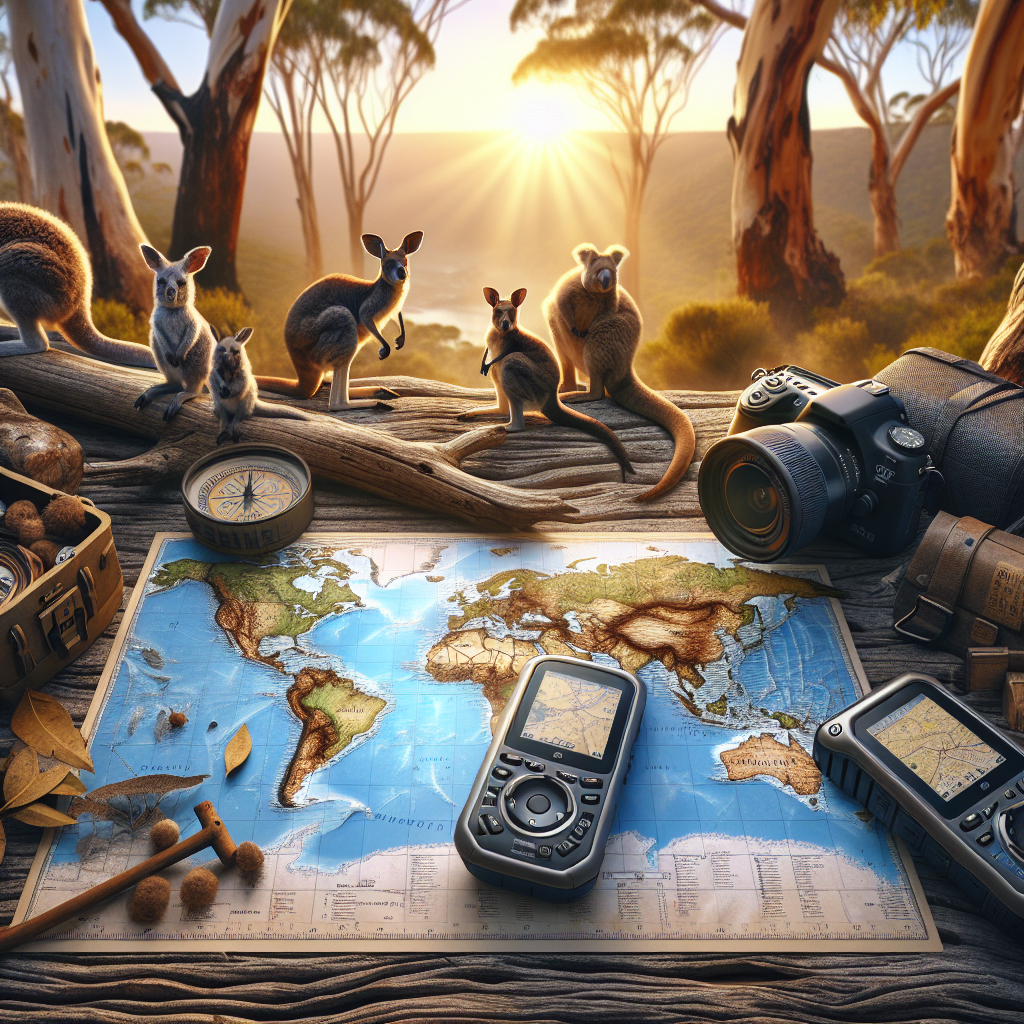
Lightweight and Reliable: Top GPS Devices for Backpacking and Camping

Alright, let’s get real. You’re planning a backpacking trip, maybe a multi-day trek, or even just a weekend camping getaway. You’ve got your tent, your sleeping bag, your trusty boots…but what about navigation? Relying solely on your phone’s GPS? Honestly, that’s a gamble. Battery life, signal strength – they can both betray you when you’re miles from civilization. That’s where a dedicated GPS device comes in. A reliable GPS unit can really make or break your experience. Not to mention possibly get you out of a jam.
Why a Dedicated GPS Device Still Matters
I know what you’re thinking: “My phone has GPS! Why bother with another gadget?” Well, friend, there’s a reason experienced hikers and backpackers still swear by dedicated GPS devices. Here’s the thing: phones are great, but they weren’t built for the backcountry. Let’s compare:
- Battery Life: GPS chews through phone batteries like crazy. A dedicated GPS unit sips power, often lasting for days on a single set of batteries. Think about it: less charging, more exploring!
- Durability: Ever dropped your phone on a rock? Not fun. GPS devices are built tougher, designed to withstand the elements. Rain, mud, accidental drops – they can handle it.
- Signal Reliability: Phone GPS relies on cell towers. Out in the wilderness? Good luck with that. Dedicated GPS devices use satellites, giving you a more consistent signal, even in remote areas.
- Ease of Use: Trying to fiddle with a touchscreen in the pouring rain with gloves on? Nope. Many GPS devices have physical buttons, making them much easier to operate in challenging conditions.
- Specialized Features: Altimeters, barometers, compasses – many GPS units pack in features specifically for outdoor navigation. Your phone? Not so much.
So, while your phone has its place, when it comes to serious backpacking and camping, a dedicated GPS device is still your best bet for reliable navigation.
Key Features to Look for in a Backpacking GPS
Okay, you’re convinced. But diving into the world of GPS devices can be overwhelming. What features actually matter? What should you prioritize? Here’s a breakdown:
- Size and Weight: You’re backpacking, so every ounce counts. Look for a lightweight and compact device. You don’t want to be lugging around a brick in your pack.
- Battery Life: Aim for a device that can last at least 24 hours on a single charge or set of batteries. Longer is always better, especially for multi-day trips.
- Display: A clear, easy-to-read display is crucial, especially in bright sunlight. Consider screen size, resolution, and whether it’s color or black and white.
- Mapping Capabilities: Can the device display topographic maps? Can you load custom maps? Preloaded maps are great, but the ability to add more detailed maps is a huge plus.
- User Interface: Is the device easy to navigate? Are the menus intuitive? A clunky interface can be a nightmare when you’re stressed or tired.
- Durability: Look for a device that’s waterproof, shockproof, and can handle extreme temperatures. Basically, something that can survive the rigors of the backcountry.
- Satellite Connectivity: Does the device support multiple satellite systems (e.g., GPS, GLONASS, Galileo)? More satellites mean better accuracy and faster acquisition times.
- Barometric Altimeter and Compass: These are essential for accurate elevation readings and navigation, especially in areas with limited visibility.
- Wireless Connectivity: Some devices offer Bluetooth or Wi-Fi connectivity, allowing you to sync data with your phone or computer, share routes, and receive weather updates.
Think of it like this: you’re not just buying a gadget, you’re investing in peace of mind. And when you’re miles from anywhere, that’s priceless.
Top GPS Devices for Backpacking and Camping: Our Recommendations
Alright, let’s get to the good stuff! After countless hours of research (and plenty of personal experience), here are some of the top GPS devices for backpacking and camping, broken down by what they excel at:
Garmin eTrex 22x – Best Budget-Friendly Option
Don’t want to break the bank? The Garmin eTrex 22x is a fantastic entry-level GPS device that offers solid performance without a hefty price tag. It’s tough. It’s very reliable. It’s a Garmin. What’s not to like? It boasts a sunlight-readable color display, preloaded TopoActive maps, and a long battery life (up to 25 hours in GPS mode). While it lacks some of the advanced features of more expensive units, it’s perfect for beginners or those who just need a basic, reliable GPS for navigation.
- Pros: Affordable, preloaded maps, long battery life, rugged design.
- Cons: Limited features compared to higher-end models, smaller screen.
- Best For: Budget-conscious backpackers and campers, beginners.
Garmin GPSMAP 66i – Best for Safety and Communication
If safety is your top priority, the Garmin GPSMAP 66i has you covered. This rugged handheld GPS features inReach satellite technology, allowing you to send and receive text messages, trigger an SOS in case of emergency, and share your location with loved ones, even when you’re out of cell service. Essentially, it’s what anyone would hope to have in serious situations.
- Pros: inReach satellite communication, preloaded TopoActive maps, rugged and waterproof design.
- Cons: Expensive, requires a satellite subscription.
- Best For: Backcountry adventurers, those who prioritize safety and communication.
Garmin Montana 700i – A Versatile and Feature-Rich GPS
The Garmin Montana 700i is designed for adventurers who need a device that can handle anything. It’s equipped with a large touchscreen display, inReach satellite communication, preloaded topographic maps, and support for various outdoor activities. You can’t doubt that it’s one of the best devices out there!
- Pros: Large touchscreen display, inReach satellite communication, preloaded topographic maps, support for various outdoor activities.
- Cons: Bulky design, expensive.
- Best for: Backpackers, hikers, and outdoor enthusiasts who need a versatile GPS with advanced features.
Gaia GPS App – The Smartphone Navigation Master
Okay, I know I said dedicated GPS devices are best, but hear me out. The Gaia GPS App is a powerhouse when it comes to smartphone navigation. With offline maps, route planning tools, and the ability to record tracks, it turns your phone into a surprisingly capable GPS device. It is a solid app. The downside is that you’ll still face the limitations of your phone’s battery and durability, so be sure to bring a power bank and a rugged case.
- Pros: Powerful mapping features, route planning tools, affordable subscription.
- Cons: Relies on phone battery, less durable than dedicated devices.
- Best For: Tech-savvy backpackers who are comfortable using their phone for navigation, those on a tight budget.
Suunto 9 Peak Pro – GPS Watch with Extra Long Battery Life
For those who prefer a wrist-worn device, the Suunto 9 Peak Pro is an excellent choice. This GPS watch boasts an incredible battery life (up to 40 hours in GPS mode), accurate tracking, and a sleek, stylish design. It’s perfect for hikers, runners, and anyone who wants a lightweight and unobtrusive navigation tool. Let me explain, it’s stylish enough to use everyday and has incredible outdoor functionality. What a combo!
- Pros: Long battery life, accurate tracking, sleek and stylish design.
- Cons: Smaller screen compared to handheld devices, higher price point.
- Best For: Hikers, runners, and outdoor enthusiasts who prefer a wrist-worn device.
Pro Tip: Always download offline maps before you head out, regardless of the device you choose. This will ensure you can navigate even without a cell signal.
Understanding Map Reading and GPS Integration
Here’s the thing: a GPS is only as good as the user who knows how to interpret the information it provides. While technology is great and all, you can’t just blindly follow a screen. Understanding basic map reading and how to integrate it with your GPS data is absolutely essential for safe backcountry navigation.
Here’s a quick rundown:
- Know Your Map: Understand the scale, contour lines, and symbols used on your topographic map. This will help you visualize the terrain and identify potential hazards.
- Practice Orienteering: Learn how to use a compass and map to navigate without a GPS. This is a crucial skill in case your device fails or loses signal.
- Calibrate Your GPS: Make sure your GPS is properly calibrated before you head out. This will ensure accurate readings.
- Cross-Reference Your Data: Don’t rely solely on your GPS. Regularly compare your GPS data with your map to confirm your location and direction.
- Plan Your Route: Before you even set foot on the trail, plan your route using both your GPS and your map. Identify potential hazards, landmarks, and bailout points.
Think of your GPS as a tool, not a replacement for your skills and knowledge. Rely on your map and compass as your primary navigation tools, and use your GPS to supplement your knowledge and confirm your position.
Essential Accessories for Your Backpacking GPS
Alright, you’ve got your GPS device. But don’t stop there! A few key accessories can significantly enhance your navigation experience and keep your device running smoothly:
- Extra Batteries: This is a no-brainer. Bring plenty of extra batteries, especially for multi-day trips. Consider rechargeable batteries and a portable charger.
- Protective Case: A rugged case will protect your GPS from bumps, scratches, and the elements.
- Lanyard or Carabiner: Keep your GPS secure and easily accessible by attaching it to your backpack or belt loop.
- Screen Protector: Protect your GPS screen from scratches and glare.
- External Antenna: If you’re hiking in areas with dense tree cover or deep canyons, an external antenna can improve signal reception.
- Power Bank: If you’re using a GPS app on your phone, a power bank is essential for keeping your battery charged.
Sometimes it’s really the little things that make the difference, right?
Maintaining and Protecting Your GPS Device
A GPS device is an investment, so it’s important to take care of it properly. Here are a few tips for maintaining and protecting your device:
- Clean Your Device Regularly: Wipe down your GPS with a soft, damp cloth to remove dirt, mud, and fingerprints.
- Store Your Device Properly: When not in use, store your GPS in a cool, dry place.
- Protect Your Screen: Use a screen protector to prevent scratches and damage.
- Check for Updates: Regularly check for software updates and install them to ensure your GPS is running smoothly and has the latest features.
- Learn Basic Troubleshooting: Familiarize yourself with common GPS problems and how to fix them.
- Avoid Extreme Temperatures: Don’t leave your GPS in direct sunlight or extreme cold for extended periods.
Taking a few simple steps to maintain your GPS will ensure it lasts for years to come. I think you’ll love having it around too.
Real-World Scenarios: When a GPS Saved the Day
Let’s talk real stories. It’s one thing to hear about features and specs. It’s another to understand how a GPS can truly be a lifesaver in the backcountry. Here are a couple of scenarios where a GPS made all the difference:
- Getting Lost in a Whiteout: Imagine you’re hiking above treeline, and a sudden blizzard rolls in. Visibility drops to near zero. You’re disoriented and can’t see the trail. A GPS with preloaded maps can help you navigate back to safety by showing you your location and the direction of the trail.
- Navigating in Dense Forest: You’re hiking through a dense forest with no clear landmarks. The trail is overgrown and difficult to follow. A GPS can help you stay on course by providing accurate location data and tracking your progress.
- Dealing with an Injury: You’re miles from the trailhead and twist your ankle. You can’t walk. A GPS with satellite communication can allow you to send an SOS and get help.
These are just a few examples, but they highlight the importance of having a reliable GPS and knowing how to use it. The truth is, the backcountry can be unpredictable. Being prepared is not just a good idea, it’s a necessity.
Final Thoughts: Navigating with Confidence
Choosing the right GPS device for backpacking and camping is a personal decision. Consider your budget, your experience level, and the types of trips you plan to take. And, yes, that can feel a little daunting. Remember, the best GPS is the one you know how to use. Practice with your device before you hit the trail, and always carry a map and compass as a backup. With the right gear and the right skills, you can explore the backcountry with confidence and safety.
So, what are you waiting for? Get out there and explore!
FAQ: Your Burning Questions Answered
External Links
DISCLAIMER
Navigating the wilderness requires careful preparation and awareness. This article offers general guidance, but it’s crucial to consult detailed maps, weather forecasts, and local expert advice before embarking on any trip. Always carry backup navigation tools, inform someone of your plans, and be prepared for unexpected conditions. By following these guidelines and exercising caution, you can enjoy a safe and rewarding adventure.
Categories
- Navigation & Safety (68)
- Shelter & Sleep (72)
Top rated products
-
 Effortless Power: 20 W Solar Charger for Blink Outdoor Cameras Rated 5.00 out of 5
$45.66Original price was: $45.66.$31.82Current price is: $31.82. -
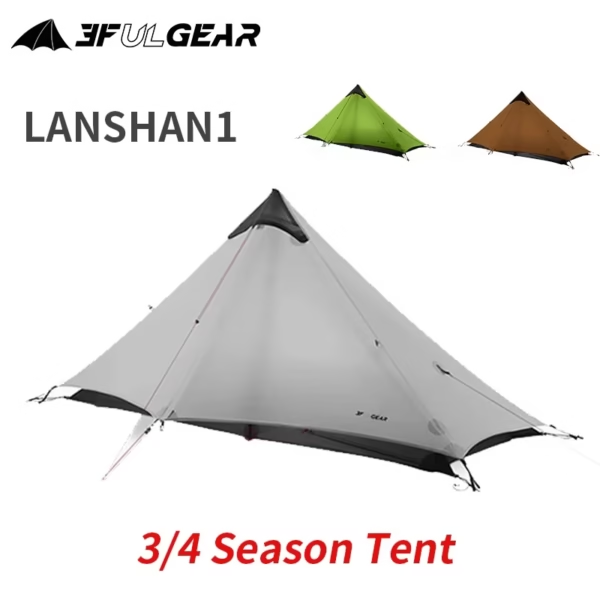
Ultralight 3 F UL GEAR Lan Shan 1 Tent for Solo Adventures Rated 5.00 out of 5
$359.23Original price was: $359.23.$250.38Current price is: $250.38. -
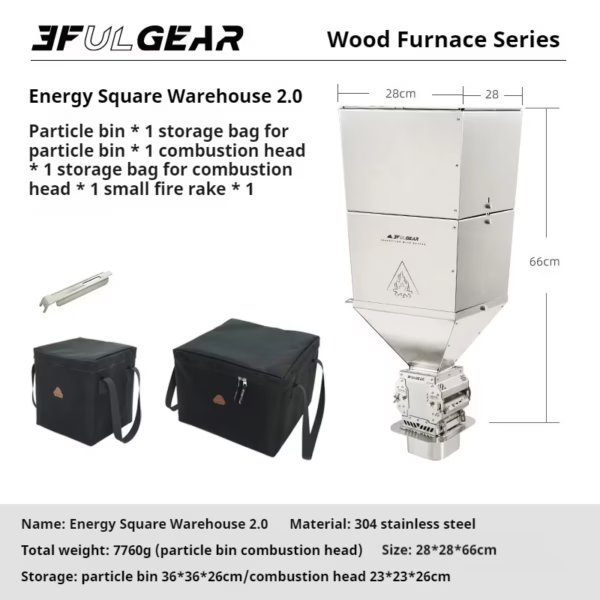
Ultimate 3 F UL GEAR 2.0 Stainless Steel Pellet Fuel Hopper Rated 5.00 out of 5
$555.43Original price was: $555.43.$387.12Current price is: $387.12.



Product Gallery
-
 Ultimate 2-3 Person Inflatable Kayak for Fishing Fun Rated 5.00 out of 5
$1,551.37Original price was: $1,551.37.$1,081.26Current price is: $1,081.26. -
VEVOR 550 lb Heavy-Duty Folding Wagon & Bench for Adventurers
$156.01 – $253.61Price range: $156.01 through $253.61
-
Adventure-Ready Ultra Bright LED Headlamp with 3 Modes
$4.67 – $25.14Price range: $4.67 through $25.14








 Camping Gear
 Camping Chair
 Camping Table
 Sleeping Bags
 Camping Bed
 Sleeping Gear
 Storage Bags
 BBQ Portable
 Camping Tents
 Gazebos
 Outdoor Cooler
 Cookware
 Power
Power Camping Light
 Flashlight
 Portable Solar
 Power Banks
 Fish Finders
 Fishing Bags
 Fishing Jerseys
 Fishing Reels
 Fishing Chairs
 Fishing Bait Boat
 Fishing Floats
 Hard Baits
 Hiking Vests
 Outdoor Bags
 Water Filters
 Paracord
 Walkie Talkie
 Paddleboards
 Boats
Boats Sea Scooter
 Accessories
 Electric Bike
 Electric Scooter
Recent Comments