

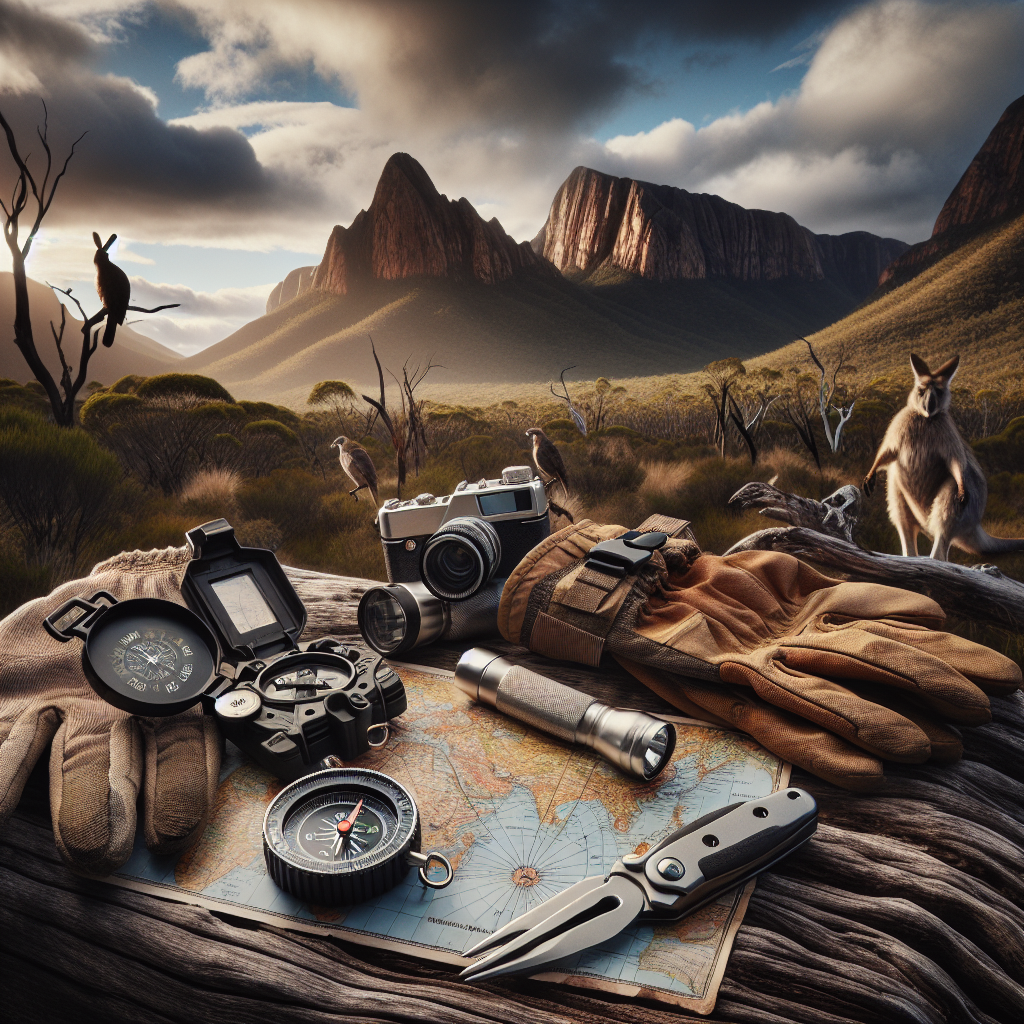

Ever felt that little knot of anxiety tighten in your stomach when you realize you’re not quite sure where you are in the woods? You’re not alone. That feeling is precisely what this guide aims to eliminate. Let’s face it: getting lost isn’t just inconvenient; it can be downright dangerous. This article is your friendly roadmap to mastering camping navigation, transforming you from a potentiallyDirectionally-challenged camper into a confident trail-blazer.
Why Navigation Skills Matter: Beyond Just Getting Back to Camp
Okay, obvious point first: knowing where you are helps you get *back* to camp. But it’s so much more than that. Think of it like this: navigation skills are like having a superpower in the wilderness.
- Safety First: Knowing your location allows you to make informed decisions, especially in emergencies.
- Confidence Boost: There’s an unmatched feeling of empowerment that comes with navigating effectively.
- Deeper Connection: When you’re not worried about getting lost, you can truly appreciate the beauty around you.
You know what? I really consider a confident camper to be a happy camper!
Essential Tools of the Trade: Gear Up for Success
So, what’s in our metaphorical toolbox? Let’s break down the must-have navigation tools:
The Map: Your Visual Guide to the Terrain
A map is more than just a piece of paper; it’s a window into the landscape. It represents the terrain in a scaled-down, understandable format. Topographic maps, in particular, are invaluable because they show elevation changes through contour lines.
Understanding Topographic Maps: Contour lines connect points of equal elevation. The closer the lines, the steeper the slope. Mastering this skill is like learning a secret language of the land. Imagine being able to “read” the mountains before you even see them! Think of it as understanding the Earth’s wrinkles, each telling a story about the landform.
The Compass: Your Directional North Star
The compass is your steadfast guide, immune to the whims of technology. It uses the Earth’s magnetic field to point you towards magnetic north, a reliable constant in the wilderness.
Declination? What’s That?: Magnetic north isn’t the same as true north (geographic north). The difference is called declination, and it varies depending on your location. You’ll need to adjust your compass for declination to get accurate bearings. Most maps will tell you the declination for the area you are in, and a quick search online, before you leave cell-service, can nail this number down for you.
GPS Devices: The Modern Navigator
GPS devices use satellite technology to pinpoint your location, often with incredible accuracy. They can also store waypoints, track your route, and provide valuable data like elevation and speed. Some GPS devices offer the capability to send out an emergency beacon.
But Don’t Rely on Batteries Alone: GPS devices are fantastic, but they rely on battery power. Always carry extra batteries or a portable charger. Better yet, see a GPS as a supplemental tool, and not your only resource.
Here’s the thing: technology can fail. Batteries die, signals get lost, and devices break. That’s why mastering traditional methods like map and compass is crucial. Think of it as having a backup plan for your backup plan.
Other Useful Tools
Don’t forget these humble but helpful tools:
- Altimeter: Measures altitude, which can help you pinpoint your location on a topographic map.
- Pencil and Paper: For jotting down notes, bearings, and routes.
- Whistle: An essential safety tool for signaling in emergencies.
- Mirror: Great for signaling in emergencies.
Mastering the Basics: Map and Compass Skills
Let’s get our hands dirty with the core skills of navigation.
Understanding Map Symbols and Scales
Maps are filled with symbols representing everything from trails and campsites to water sources and power lines. The map legend is your key to understanding these symbols. Also, pay attention to the scale, which tells you the relationship between distances on the map and distances on the ground.
Practice Makes Perfect: Spend time studying maps of your local area. Identify familiar landmarks and trace routes you know well. This will help you become more comfortable with map reading. Think of that road you drive often, and find it on the map. “Oh, so *that’s* why it’s so twisty with those hills!” You know?
Taking a Bearing: Finding Your Way
Taking a bearing involves using your compass to determine the direction from your current location to a specific point (like a landmark or waypoint).
- Orient the Map: Align the map with your surroundings using your compass.
- Locate Your Position: Identify your current location on the map.
- Determine the Bearing: Use your compass to sight the landmark and read the bearing (the angle in degrees).
- Follow the Bearing: Follow the bearing, keeping in mind any obstacles or terrain changes.
Let me explain it a little better. Think of taking a bearing like aiming for a target. You need to line up your sights (compass and landmark) and then follow that line to reach your goal.
Orienting the Map: Aligning with Reality
Orienting the map means aligning it with your surroundings so that north on the map points to north in the real world.
- Place the Map on a Flat Surface: Lay the map flat.
- Place the Compass on the Map: Put your compass on the map.
- Align the Map with North: Rotate the map until the north arrow on your compass aligns with north on the map.
Map orientation is crucial. Once the map is a reliable representation of your surrounding landscape, navigation becomes intuitive!
Triangulation: Pinpointing Your Exact Location
Triangulation involves using bearings to two or more visible landmarks to pinpoint your location on the map.
- Identify Landmarks: Locate two or three prominent landmarks that are also visible on the map.
- Take Bearings: Take bearings to each of the landmarks.
- Convert Bearings to Back Azimuths: Convert each bearing to a back azimuth (add 180 degrees if the bearing is less than 180, subtract 180 if it’s more).
- Draw Lines: Draw lines on the map from each landmark along its back azimuth.
- Find the Intersection: The point where the lines intersect is your approximate location.
Honestly, triangulation might sound complicated, but it’s a powerful technique for confirming your position, especially in areas with limited visibility. Think of each line as a ray pointing back to you from a landmark; where the rays intersect, there you are!
Navigating Without Technology: Natural Navigation Techniques
What if your batteries die, or your GPS fails? Fear not! Nature provides plenty of clues to help you find your way.
Using the Sun and Stars
The sun rises in the east and sets in the west (generally!). At noon, it’s roughly in the south in the northern hemisphere and north in the southern hemisphere. At night, the North Star (Polaris) can guide you north in the Northern Hemisphere.
A Note on Time: Knowing the time is crucial for using the sun as a navigation tool. Carry a watch or use your phone (sparingly!) to check the time. Also, you can use a stick to create a shadow clock. Plant it into the ground, and mark the tip of its shadow. As time passes, mark the tip of the shadow periodically.
Reading Natural Signs: Clues in the Environment
Observe the environment around you. Moss often grows more abundantly on the north side of trees (in the Northern Hemisphere). Tree branches tend to be shorter and thicker on the side facing prevailing winds. Animal trails often lead to water sources.
Practice Observation: The more you pay attention to the details of the natural world, the better you’ll become at reading these subtle clues. Think of it as learning to “read” the landscape like a book.
I think that learning to read natural signs is like developing a sixth sense. It allows you to tap into the wisdom of the wilderness.
Staying Safe: Essential Safety Considerations
Navigation skills are only part of the equation. Safety is paramount when venturing into the backcountry.
Planning Your Route: Preparation is Key
Before you even set foot on the trail, thoroughly plan your route. Study maps, check weather conditions, and inform someone of your plans.
Leave No Trace: Respect the environment by packing out everything you pack in. Stay on established trails, and minimize your impact on the land. Think of outdoor ethics as a responsibility we all share.
Here’s the thing: a well-planned trip is a safer trip. Spend the time to do your homework, and you’ll be much better prepared for whatever challenges you might encounter.
Emergency Procedures: What to Do If You Get Lost
Despite your best efforts, you might still find yourself lost. Here’s what to do:
- Stay Calm: Panic is your enemy. Take a deep breath and assess the situation.
- Retrace Your Steps: If possible, retrace your steps to the last known location.
- Signal for Help: Use your whistle, mirror, or any other signaling devices you have.
- Find Shelter: Protect yourself from the elements.
- Conserve Energy: Stay warm and dry.
Think of emergency procedures as your safety net. Practice them so they become second nature.
Essential Gear for Safety: Don’t Leave Home Without It
In addition to navigation tools, carry the following essential safety gear:
- First-Aid Kit: For treating minor injuries and illnesses.
- Emergency Shelter: A tarp or bivy sack for protection from the elements.
- Fire Starter: Matches, lighter, or fire starter for building a fire.
- Knife or Multi-Tool: For various tasks, from cutting rope to repairing gear.
- Food and Water: Extra food and water in case of delays.
You know what? One time I was hiking and my water bottle broke open! I had about 20 minutes of water left when I was an hour and a half away from home. I learned my lesson that day.
Advanced Techniques: Taking Your Skills to the Next Level
Ready to push your navigation skills even further?
Night Navigation: Finding Your Way in the Dark
Navigating at night presents unique challenges. Use a headlamp with a red light to preserve your night vision. Practice using your compass and landmarks in the dark.
Moonlight Navigation: On clear nights, moonlight can provide enough illumination to navigate without a headlamp. Experiment with using the moon as a directional guide. You know, like how sailors in the old days would navigate at night by the stars!
Navigating in Challenging Terrain (Mountains, Forests, Deserts)
Each type of terrain presents its own navigation challenges. In mountainous terrain, pay close attention to contour lines and elevation changes. In dense forests, visibility is limited, so rely heavily on your compass and map. In deserts, water sources are scarce, so plan your route carefully.
Adapt to the Environment: The key to successful navigation in challenging terrain is to adapt your techniques to the specific conditions. Stay aware of your surroundings, and make adjustments as needed. If the wind is picking up, find shelter, and take a careful assess your situation by checking your map and compass.. Make sure you know where you can and can’t go, and what you need to do to get back if things get worse.
Using GPS Waypoints and Routes: Digital Navigation
Take full advantage of your GPS device by creating waypoints and routes before your trip. This will help you stay on track and avoid getting lost.
Download Maps: Many GPS devices allow you to download topographic maps, which can be incredibly helpful for navigating in remote areas. Some of this is easy, but you really need to practice before you leave the house to make sure that it is something that can actually help you when you are on the go!
Honestly, GPS waypoints and routes can be a lifesaver, but don’t become overly reliant on them. Always have a backup plan.
Staying Current: Resources for Continued Learning
Navigation is a skill that requires continuous learning and practice. Here are some resources to help you stay current:
- Books and Manuals: Read books and manuals on navigation and survival skills.
- Online Courses: Take online courses on map reading, compass use, and GPS navigation.
- Outdoor Clubs and Organizations: Join an outdoor club or organization to learn from experienced navigators.
Here are some trustworthy places for more information:
- Check out the REI Expert Advice on Navigation for a wide range of articles and tips.
- The National Park Service (NPS) website often has resources on trail safety.
The more you learn, the safer and more confident you’ll become as a navigator.
Final Thoughts: Embrace the Journey
Mastering camping navigation is a journey, not a destination. Embrace the learning process, practice your skills, and never stop exploring. With the right knowledge and preparation, you can confidently navigate the wilderness and experience the joy of safe, smart adventure.
Now, go out there, explore, and get wonderfully, intentionally… not lost!
Frequently Asked Questions
Here are some frequently asked question about the tips described above.
What’s the most common mistake beginners make with navigation?
The biggest error is relying too heavily on technology and neglecting basic map and compass skills. Batteries die, and signals get lost! It’s crucial to have a solid foundation in traditional methods.
How do I choose the right compass for camping?
Look for a baseplate compass with a clear, easy-to-read dial, a rotating bezel, and a declination adjustment. A sighting mirror can also be helpful for taking accurate bearings.
Is it really necessary to adjust for declination?
Absolutely! Ignoring declination can lead to significant errors in your bearings, especially over longer distances. Always check the declination for your area and adjust your compass accordingly.
What should I do if I realize I’m lost?
Stay calm, stop moving, and try to retrace your steps to the last known location. If that’s not possible, use your map and compass to try to identify your location or signal for help.
How important is it to tell someone my hiking plans?
It’s extremely important! Always inform someone of your route, expected return time, and who to contact if you don’t return. This is a crucial safety precaution.
Can I use my phone for navigation?
While phones can be useful for navigation, they shouldn’t be your primary tool. Batteries drain quickly, and you may not have cell service in remote areas. Use your phone sparingly and always carry a map and compass as backup.
How often should I practice my navigation skills?
Practice regularly, even when you’re not planning a camping trip. Use maps to familiarize yourself with your local area, and practice taking bearings in different environments. The more you practice, the more confident you’ll become.
Disclaimer
This article is for informational purposes only and does not constitute professional advice. Camping and navigation can be inherently dangerous activities. Always exercise caution, plan your trips carefully, and be prepared for emergencies. Consult with experienced navigators and take appropriate training courses before venturing into the backcountry. The author and publisher are not responsible for any injuries, losses, or damages resulting from the use of this information.
Categories
- Navigation & Safety (68)
- Shelter & Sleep (72)
Top rated products
-
 UNIKOO UK224 Mini Walkie Talkies: Adventure Awaits, Stay Connected! Rated 5.00 out of 5
$49.74Original price was: $49.74.$34.67Current price is: $34.67. -
Nature Bell 185 cm Folding Cot: Comfort On-the-Go Adventure Bed Rated 5.00 out of 5$35.61 – $37.99Price range: $35.61 through $37.99
-
Tactical Mini Flashlight: 150 Lumen Power for Glock & Hellcat Rated 5.00 out of 5
$122.88Original price was: $122.88.$85.65Current price is: $85.65.


Product Gallery
-
 Ultimate 2-3 Person Inflatable Kayak for Fishing Fun Rated 5.00 out of 5
$1,534.01Original price was: $1,534.01.$1,069.16Current price is: $1,069.16. -
VEVOR 550 lb Heavy-Duty Folding Wagon & Bench for Adventurers
$154.27 – $250.78Price range: $154.27 through $250.78
-
Adventure-Ready Ultra Bright LED Headlamp with 3 Modes
$4.62 – $24.86Price range: $4.62 through $24.86







 Camping Gear
 Camping Chair
 Camping Table
 Sleeping Bags
 Camping Bed
 Sleeping Gear
 Storage Bags
 BBQ Portable
 Camping Tents
 Gazebos
 Outdoor Cooler
 Cookware
 Power
Power Camping Light
 Flashlight
 Portable Solar
 Power Banks
 Fish Finders
 Fishing Bags
 Fishing Jerseys
 Fishing Reels
 Fishing Chairs
 Fishing Bait Boat
 Fishing Floats
 Hard Baits
 Hiking Vests
 Outdoor Bags
 Water Filters
 Paracord
 Walkie Talkie
 Paddleboards
 Boats
Boats Sea Scooter
 Accessories
 Electric Bike
 Electric Scooter
Recent Comments