

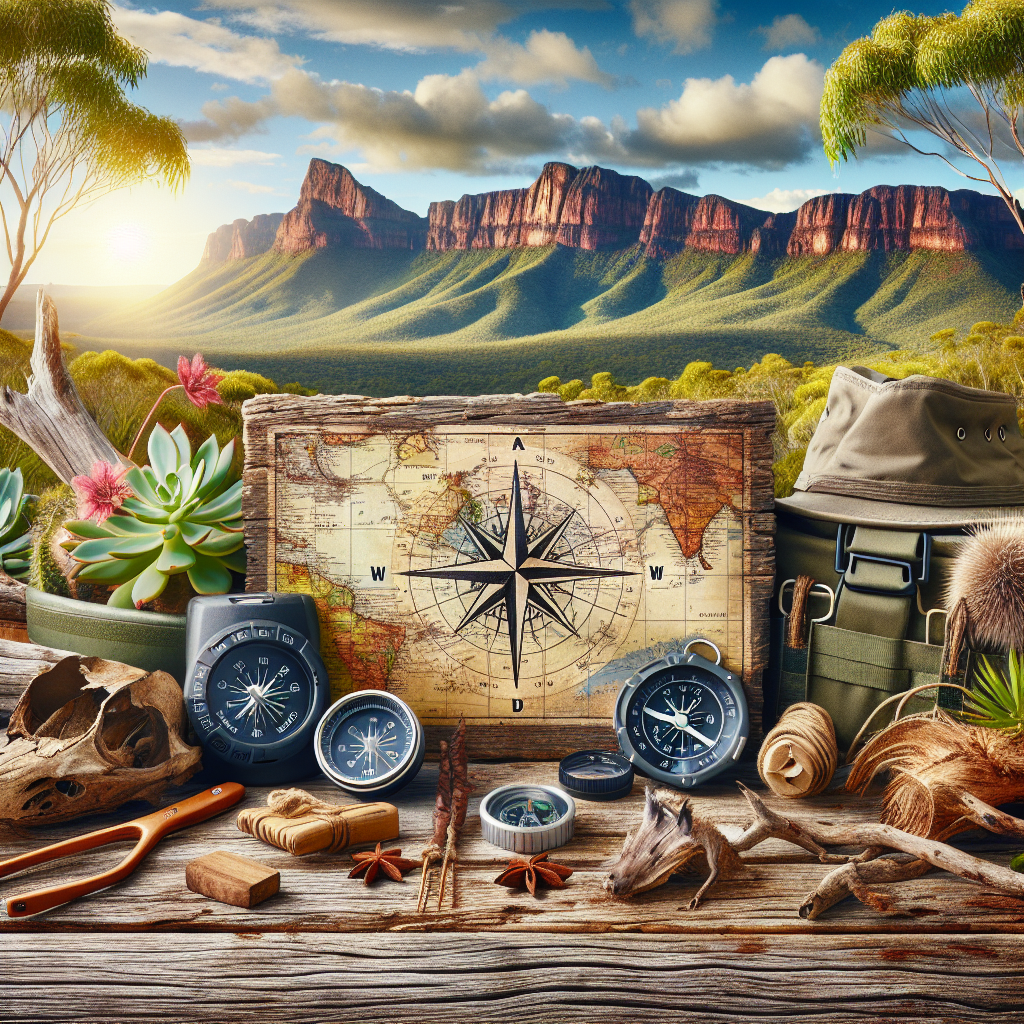

Venturing into the great outdoors for a camping trip can be one of life’s most rewarding experiences. Picture yourself surrounded by towering trees, the crackling of a campfire, and the vast, starlit sky above. But let’s be real – blissful escapes into nature demand respect and careful preparation. It’s not just about packing your tent and marshmallows; it’s about understanding outdoor navigation and safety. This guide is designed to equip you with the knowledge and skills to navigate the wilderness confidently and return home safely, no matter your experience level. So, ready to transform from a casual camper to a savvy explorer? Let’s get started!
Understanding the Fundamentals of Outdoor Navigation
Before you even think about setting foot on a trail, understanding the basics of outdoor navigation is crucial. We’re talking maps, compasses, and GPS devices—your trusty allies when venturing off the grid. Forget relying solely on your phone; batteries die, signals disappear, and suddenly you’re facing a real-world navigation challenge. So, let’s break down these essential tools and how they work together.
Maps: More Than Just Paper
A map is your visual representation of the terrain, but it’s more than just a pretty picture. Topographic maps, in particular, are invaluable. They show elevation changes, water sources, trails, and other landmarks. Learning to read contour lines (those squiggly lines indicating elevation) is a game-changer. The closer the lines, the steeper the terrain – a crucial detail when planning your route. Think of it like this: a map is the landscape distilled into a portable, understandable format. It’s your cheat sheet to the wilderness, and mastering it is your first step toward confident navigation.
The Compass: Your Directional Guru
While maps give you the lay of the land, a compass tells you which way to go. It’s a simple tool based on a fundamental principle: Earth’s magnetic field. A compass needle always points to magnetic north, allowing you to orient yourself and determine your bearing. Combining your compass with a map allows you to pinpoint your location and plot a course.
Here’s a quick rundown on how to use a compass:
- Orient the Map: Align your map with the actual terrain using the compass.
- Set the Bearing: Determine the angle between your current location and your destination on the map, then transfer that angle to your compass.
- Follow the Bearing: Keep the compass needle aligned with north and walk in the direction indicated by your bearing.
Practice makes perfect. Spend time in your backyard or a local park getting comfortable with these steps. Trust me, when visibility is low or the trail disappears, you’ll be thankful you did.
GPS Devices: Technology to the Rescue?
GPS (Global Positioning System) devices have revolutionized outdoor navigation, offering precise location data and a multitude of features such as preloaded maps, track recording, and waypoint marking. Modern GPS units are incredibly powerful, but they’re not infallible. They rely on satellite signals and battery power, both of which can be compromised in the wilderness.
Pro Tip: Always carry extra batteries and a power bank. Also, familiarize yourself with your GPS device’s features before heading out. Many units allow you to download maps and plan routes in advance. Consider something like a Garmin GPS unit or a similar device.
Bringing It All Together: The Synergy of Map, Compass, and GPS
The most effective navigation comes from combining these three tools. Use your map and compass for the big picture – understanding the overall terrain and planning your route. Then use your GPS to confirm your position and navigate tricky sections. But remember, never rely solely on technology. Knowing how to read a map and use a compass is a fundamental skill that can save your life if your GPS fails. It’s like knowing how to drive a stick shift even though you own an automatic – you might need it someday!
Decoding Trail Marking Systems
Ever walked down a trail and noticed those little blazes of paint on trees or stacks of stones along the path? Those aren’t just random decorations; they’re trail markers, and understanding them can make or break your hike. Different regions and organizations use various marking systems, and knowing what they mean is crucial. So let’s jump in and demystify these silent guides.
Blazes: The Original Breadcrumbs
Blazes are painted marks on trees, rocks, or posts that indicate the trail’s path. They’re typically rectangular and come in various colors, depending on the trail system. A single blaze usually means you’re on the right track. However, keep an eye out for double blazes, which often indicate a turn, junction, or some other point of interest.
Here’s a quick guide to blaze interpretation:
- Single Blaze: Straight ahead.
- Double Blaze (Stacked): Indicates a change in direction. The offset of the upper blaze shows which way to go.
- Horizontal Double Blaze: Could indicate an obscured trail or a point of caution.
Cairns: Stacks of Stone Wisdom
In rocky or above-treeline environments where blazes are impractical, cairns (stacks of rocks) are used to mark trails. Cairns are common in mountainous areas and deserts. They might seem simple, but they can easily be mistaken for natural rock formations if you’re not paying attention.
Pro Tip: If you’re unsure whether a stack of rocks is a cairn, look for a deliberate, unnatural arrangement. Cairns are usually cone-shaped or stacked in a way that stands out.
Flags and Ribbons: Temporary Guides
Flags and ribbons are often used in areas where trails are new, under construction, or temporarily rerouted. These markers are usually brightly colored and tied to branches or posts. Keep in mind that these markers are often temporary and may not be as reliable as blazes or cairns. Plus, they can be affected by wind and weather, so keep an eagle eye out. I mean, who hasn’t spent an hour trying to find a path up a drainage because the trail wasn’t properly marked?
Understanding Regional Differences
Trail marking systems vary by region and managing agency (like the National Park Service or the Forest Service). For example, a blue blaze might indicate a water source in one area but a side trail in another. Before heading out, research the specific trail you’ll be hiking and understand the markers used in that area. Many trail maps will include a key or legend explaining the local marking system.
What to Do When You Lose the Trail
Even with the best trail markers, it’s possible to lose the trail. If you find yourself off-track, the most important thing is to remain calm. Retrace your steps to the last known marker. If you can’t find the trail, use your map and compass to determine your location and plan a route back to the trail or a safe location. Remember, getting lost is a situation you can manage effectively with the right knowledge and a level head. Honestly, it happens to the best of us.
Camp Safety: Best Practices
Setting up a safe campsite is a blend of common sense, preparation, and respect for the environment. Whether you’re in a designated campground or deep in the backcountry, following these best practices will help ensure a secure and enjoyable camping experience. From choosing the right site to managing your food properly, let’s cover the key elements of camp safety.
Choosing the Right Campsite
The location of your campsite is critical. Look for a site that is:
- Away from Hazards: Avoid setting up under dead trees (widow-makers), near steep slopes prone to rockfall, or in areas that could flood during heavy rain.
- Level Ground: A flat, even surface will make for a much more comfortable night’s sleep.
- Protected from the Elements: If possible, find a site that offers some natural shelter from wind and rain, like a grove of trees. Speaking from experience, waking up in a flooded tent is *not* how you want to start your day.
- Established Campsites Preferred: In fragile ecosystems, stick to established campsites to minimize your impact on the environment.
Setting Up Your Tent Securely
Your tent is your shelter, so setting it up correctly is essential. Always use a ground cloth or footprint to protect the bottom of your tent from abrasion and moisture. Stake your tent securely, using all the guy lines to provide maximum stability, especially in windy conditions. Make sure that all seams are properly sealed and that you deploy rainfly correctly. You might be thinking of skipping some of these steps but don’t. Imagine fumbling with flapping tent fabric in the middle of a midnight downpour – you’ll wish you hadn’t cut corners.
Food Storage: Keeping Critters Away
Proper food storage is crucial, especially in bear country. Never keep food in your tent; animals can smell it, and they will tear through your tent to get it. Store food in bear-resistant canisters, or hang it in a bear bag suspended between two trees. Make sure the bag is at least 12 feet off the ground and 6 feet from the tree trunk on all sides.
Here’s the deal: bears aren’t the only concern. Smaller animals like raccoons, squirrels, and mice can also wreak havoc on your food supply. Keep a clean camp – pack out all food scraps and garbage. I recommend using odor-proof bags to minimize temptation for critters.
Water Safety: Finding, Treating, and Storing
Access to clean drinking water is fundamental. Never drink directly from streams or lakes, as the water may contain harmful bacteria, viruses, or parasites. Always treat water before drinking it. You can use a water filter, purification tablets, or boil water for at least one minute (three minutes at higher elevations).
Once you’ve treated your water, store it in a clean container. A collapsible water reservoir is a great option for backpacking, as it’s lightweight and easy to pack. Remember, staying hydrated is key to preventing altitude sickness and maintaining energy levels.
Campfire Safety: Respect the Flames
Campfires can be a magical part of the camping experience, but they also pose a significant risk. Before building a fire, check local regulations to see if fires are permitted. If they are, choose a location that is clear of dry vegetation and overhanging branches. Dig a fire pit and surround it with rocks. Never leave a fire unattended, and always have water and a shovel nearby. When you’re done with the fire, douse it completely with water, stir the ashes, and douse it again until it’s cold to the touch. Remember, a little bit of caution goes a long way toward preventing wildfires.
Waste Disposal: Leave No Trace
One of the core principles of responsible camping is to leave no trace of your visit. Pack out everything you pack in, including food wrappers, toilet paper, and other trash. Use a trowel to dig a cat hole (6-8 inches deep) for human waste, at least 200 feet away from water sources, trails, and campsites. Bury the waste and cover it with soil. For toilet paper, either pack it out or burn it completely (if regulations allow and it’s safe to do so). Always practice Leave No Trace principles to protect the environment for future generations. “Take only memories, leave only footprints,” as the saying goes.
Emergency Preparedness and Survival Strategies
No one *plans* for things to go wrong, but being prepared for emergencies is a hallmark of a responsible camper. It’s not about being pessimistic; it’s about being realistic and having the skills and gear to handle unexpected situations. So, let’s talk about emergency preparedness and essential survival strategies that could save your life.
Building a Comprehensive First-Aid Kit
A well-stocked first-aid kit is non-negotiable. It should include items to treat common injuries like cuts, burns, sprains, and insect bites. Pack pain relievers, antiseptic wipes, bandages of various sizes, blister treatment (like moleskin), and any personal medications you may need. Consider taking a wilderness first-aid course to learn how to use these items effectively. I personally never venture into the back country without a well-stocked kit and the knowledge to use it.
Essential Gear for Survival Situations
Beyond your basic camping gear, there are a few key items that can be incredibly valuable in a survival situation:
- Navigation Tools: Map, compass, and GPS device (with extra batteries) are essential for finding your way back to safety.
- Firestarter: Matches in a waterproof container, a lighter, or a fire starter stick can help you build a fire for warmth, signaling, or cooking.
- Knife or Multi-Tool: A knife is indispensable for cutting, preparing food, and performing various tasks. A multi-tool adds even more functionality.
- Emergency Shelter: A lightweight emergency blanket or bivy sack can provide crucial protection from the elements.
- Signaling Device: A whistle, signal mirror, or bright-colored cloth can help you attract attention if you need to be rescued.
- Headlamp or Flashlight: Essential for navigating in the dark.
- Extra Food and Water: Carry at least a day’s worth of extra food and water in case of delays.
Basic Survival Skills: Fire, Shelter, Water, and Food
In a survival situation, your priorities are shelter, fire, water, and food – in that order. Building a basic shelter protects you from the elements and conserves body heat. Starting a fire provides warmth, allows you to cook food, and can signal for help. Finding a source of clean drinking water is crucial for survival. And securing a source of food is critical for long-term survival, but it’s less urgent than shelter, fire, and water.
- Shelter: Look for natural shelters like caves or rock overhangs, or build a simple lean-to using branches and leaves.
- Fire: Gather dry tinder (like leaves, bark, or pine needles), kindling (small twigs), and fuel (larger pieces of wood). Build a teepee or log cabin fire structure.
- Water: Look for springs, streams, or collect rainwater. Always treat water before drinking it.
- Food: Focus on finding edible plants (if you have the knowledge) or trapping small animals. Remember, however, that foraging and trapping take time and energy, so prioritize shelter, fire, and water first.
Signaling for Help: Making Yourself Visible and Audible
If you’re lost or injured, signaling for help is critical. Use a whistle to send out distress signals (three short blasts is the universal signal for help). Use a signal mirror to reflect sunlight towards potential rescuers. Build a large signal fire or create ground-to-air signals using rocks or branches. The key is to make yourself as visible and audible as possible to increase your chances of being found.
Mental Toughness: Staying Calm and Focused
In a survival situation, your mental state is just as important as your physical skills. Stay calm, avoid panic, and focus on the tasks at hand. Break down the situation into manageable steps. Maintain a positive attitude and never give up hope. Mental toughness can be the difference between survival and succumbing to the elements. Remember, you’re stronger than you think!
Understanding and Mitigating Risks on the Trail
Camping and hiking come with inherent risks, from wildlife encounters to weather changes. Understanding these risks and knowing how to mitigate them is essential for a safe and enjoyable experience. Let’s look at some common risks and proactive strategies to minimize those risks.
Weather Awareness: Planning and Preparation
Weather in the mountains can change rapidly, so it’s essential to check the forecast before heading out and be prepared for all types of conditions. Pack layers of clothing so you can adjust to changing temperatures. Carry rain gear (even if the forecast is clear) and be aware of the signs of hypothermia (shivering, confusion, slurred speech) and heat exhaustion (headache, dizziness, nausea). If a storm rolls in, seek shelter immediately and avoid exposed ridges or open areas. Trust me, getting caught in a lightning storm above treeline is an experience you don’t want.
Wildlife Encounters: Respecting Boundaries
Encountering wildlife can be a magical experience, but it can also be dangerous if you’re not careful. Learn about the types of animals that live in the area you’ll be camping in and how to react to an encounter. Never approach or feed wild animals. Store food properly to avoid attracting them to your campsite. Carry bear spray in bear country and know how to use it. If you encounter a bear, make yourself look big, speak in a loud voice, and slowly back away. If attacked, fight back aggressively. Ultimately, respecting wildlife and maintaining a safe distance is key to avoiding conflicts.
Terrain Hazards: Watch Your Step
Uneven terrain, slippery rocks, and steep slopes can all pose hazards on the trail. Wear sturdy hiking boots with good ankle support. Use trekking poles for added stability. Pay attention to your surroundings and watch your step. Avoid hiking alone, especially in challenging terrain. If you’re hiking with a group, stay together and communicate any potential hazards. A twisted ankle or a fall can quickly turn a pleasant hike into a serious situation.
Navigation Errors: Staying on Course
Getting lost is a common risk, but it’s also preventable with proper planning and preparation. Always carry a map, compass, and GPS device, and know how to use them. Plan your route in advance and familiarize yourself with the trail. Pay attention to trail markers and check your location periodically. If you do get lost, stay calm and retrace your steps to the last known marker. If you can’t find the trail, use your navigation tools to determine your location and plan a route back to safety. Preventing navigation errors starts with being prepared and paying attention.
Physical Limitations: Know Your Limits
It’s important to be honest about your physical abilities and choose trails that are within your capabilities. Don’t push yourself too hard, especially when hiking at high altitudes or in challenging terrain. Listen to your body and take breaks when you need them. Stay hydrated and eat plenty of food. If you’re feeling tired or unwell, turn around and head back. Pushing yourself beyond your limits can lead to exhaustion, injury, or a medical emergency. Knowing your limits and respecting them is a sign of a responsible and experienced camper.
Communication Planning: Tell Someone Where You’re Going
Before heading out on a camping trip, always let someone know your plans. Tell them where you’re going, when you expect to be back, and who you’re going with. If you change your plans, be sure to update them. This way, if something does go wrong, someone will know that you’re missing and where to start looking. Consider carrying a satellite communication device, like a satellite phone or a personal locator beacon (PLB), for emergencies. Communication is key to ensuring a timely rescue if you need it.
Camp Security: Protecting Your Belongings
Camp security is often overlooked, but it’s an important aspect of responsible camping, especially in popular areas. While most campers are honest and respectful, theft can happen, so it’s wise to take precautions to protect your belongings. Here’s how to keep your gear safe and secure.
Choosing a Secure Campsite
When choosing a campsite, look for one that is:
- Visible but Not Obvious: Choose a site that is visible from the trail or road so that it’s not completely isolated, but not so obvious that it attracts unwanted attention.
- Near Other Campers: Camping near other people can provide a sense of security, as there are more eyes watching out for suspicious activity.
- Away from High-Traffic Areas: Avoid camping right next to a popular trailhead or parking area, as these areas tend to attract more traffic and potential thieves.
Securing Your Gear
When you leave your campsite, take steps to secure your gear:
- Lock Valuables in Your Car: If possible, lock valuables like electronics, wallets, and jewelry in your car.
- Use a Cable Lock: Use a cable lock to secure larger items like bikes, kayaks, and camping gear to a tree or other fixed object.
- Hide Valuables: If you can’t lock up your valuables, hide them in inconspicuous places, like inside a sleeping bag or buried under a pile of clothes.
- Motion Detector Alarm: Consider using a small motion detector alarm to deter potential thieves. These alarms emit a loud noise when triggered, alerting you and nearby campers to any suspicious activity.
Being Mindful of Your Surroundings
Pay attention to your surroundings and be aware of any suspicious activity:
- Keep an Eye Out for Strangers: Be wary of people who linger around your campsite or ask too many questions about your gear.
- Report Suspicious Activity: If you see something suspicious, report it to the campground host or local authorities.
- Trust Your Instincts: If something doesn’t feel right, trust your instincts and take precautions to protect yourself and your belongings.
Practicing Good Camp Etiquette
Practicing good camp etiquette can also help deter theft:
- Be Friendly and Neighborly: Get to know your fellow campers and look out for each other’s property.
- Keep a Clean Campsite: A clean campsite is less likely to attract attention from thieves.
- Be Respectful of Quiet Hours: Avoid making excessive noise or playing loud music, as this can attract unwanted attention.
Camp security is about being proactive and taking simple steps to protect your belongings. By choosing a secure campsite, securing your gear, being mindful of your surroundings, and practicing good camp etiquette, you can minimize the risk of theft and enjoy a worry-free camping experience. It’s about being smart, not paranoid, right?
Embracing Technology Responsibly
We live in a digital age, and technology has undoubtedly transformed the way we experience the outdoors. From GPS devices to smartphones, technology offers incredible tools for navigation, communication, and safety. But it’s important to embrace technology responsibly and avoid becoming overly reliant on it. Here’s how to make the most of technology while still respecting the wilderness and developing essential outdoor skills.
Using GPS and Navigation Apps Wisely
GPS devices and navigation apps can be incredibly useful for finding your way in the wilderness, but they’re not a substitute for traditional navigation skills. Always carry a map and compass as a backup, and know how to use them. Familiarize yourself with your GPS device or navigation app before heading out, and download maps for the area you’ll be camping in. Keep in mind that batteries can die, and signals can be unreliable in remote areas. Don’t rely solely on technology for navigation; use it as a tool to supplement your skills, not replace them.
Satellite Communication Devices
Satellite phones and personal locator beacons (PLBs) can be lifesavers in emergency situations. These devices allow you to communicate with the outside world even when you’re out of cell phone range. Satellite phones allow you to make calls and send texts, while PLBs send a distress signal to a rescue center. If you’re venturing into remote areas, consider carrying a satellite communication device for emergencies. Even if you’re super skilled, having some kind of emergency call ability, might just make the difference saving a life.
Power Management: Maximizing Battery Life
Power management is crucial when using electronic devices in the wilderness. Turn off devices when you’re not using them, and put them in airplane mode to conserve battery life. Carry extra batteries or a portable power bank. Consider using a solar charger to recharge your devices during the day. Store batteries in a warm place, as cold temperatures can drain them quickly. Efficient power management will ensure that your devices are available when you need them most.
Drones and the Wilderness Ethos
The use of drones in the wilderness is a growing trend, but it also raises ethical and environmental concerns. Before flying a drone in a national park or wilderness area, check the regulations to see if it’s permitted. Be respectful of wildlife and other campers, and avoid flying your drone near sensitive areas. Never fly your drone in a way that could disturb or harass wildlife. Practice Leave No Trace principles and avoid leaving any trace of your drone activities. Drones can be a great way to capture stunning aerial footage, but it’s important to use them responsibly and ethically.
The Allure of the Unplugged Experience
While technology can enhance your camping experience, it’s also important to disconnect and enjoy the natural world. Put away your phone, turn off your GPS, and focus on your surroundings. Take time to appreciate the beauty of the wilderness, listen to the sounds of nature, and connect with yourself and your companions. The wilderness offers a unique opportunity to unplug from the stresses of modern life and recharge your batteries. Don’t let technology get in the way of that experience. Honestly, sometimes the best adventures are the ones where you leave your phone in your bag!
Frequently Asked Questions about Camping Navigation and Safety
▼
▼
▼
▼
▼
▼
▼
For more information on wilderness navigation and safety, check out these resources:
DISCLAIMER
This article provides general information about outdoor navigation and camping safety. It is not a substitute for professional training or guidance. Always consult with experienced outdoorspeople or qualified instructors before venturing into the wilderness. The author and publisher are not responsible for any injuries, losses, or damages that may occur while camping or hiking. Be aware of your limitations and prepare always accordingly.
Categories
- Navigation & Safety (68)
- Shelter & Sleep (72)
Top rated products
-
 UNIKOO UK224 Mini Walkie Talkies: Adventure Awaits, Stay Connected! Rated 5.00 out of 5
$49.74Original price was: $49.74.$34.67Current price is: $34.67. -
Nature Bell 185 cm Folding Cot: Comfort On-the-Go Adventure Bed Rated 5.00 out of 5$35.61 – $37.99Price range: $35.61 through $37.99
-
Tactical Mini Flashlight: 150 Lumen Power for Glock & Hellcat Rated 5.00 out of 5
$122.88Original price was: $122.88.$85.65Current price is: $85.65.


Product Gallery
-
 Ultimate 2-3 Person Inflatable Kayak for Fishing Fun Rated 5.00 out of 5
$1,534.01Original price was: $1,534.01.$1,069.16Current price is: $1,069.16. -
VEVOR 550 lb Heavy-Duty Folding Wagon & Bench for Adventurers
$154.27 – $250.78Price range: $154.27 through $250.78
-
Adventure-Ready Ultra Bright LED Headlamp with 3 Modes
$4.62 – $24.86Price range: $4.62 through $24.86









 Camping Gear
 Camping Chair
 Camping Table
 Sleeping Bags
 Camping Bed
 Sleeping Gear
 Storage Bags
 BBQ Portable
 Camping Tents
 Gazebos
 Outdoor Cooler
 Cookware
 Power
Power Camping Light
 Flashlight
 Portable Solar
 Power Banks
 Fish Finders
 Fishing Bags
 Fishing Jerseys
 Fishing Reels
 Fishing Chairs
 Fishing Bait Boat
 Fishing Floats
 Hard Baits
 Hiking Vests
 Outdoor Bags
 Water Filters
 Paracord
 Walkie Talkie
 Paddleboards
 Boats
Boats Sea Scooter
 Accessories
 Electric Bike
 Electric Scooter
Recent Comments