

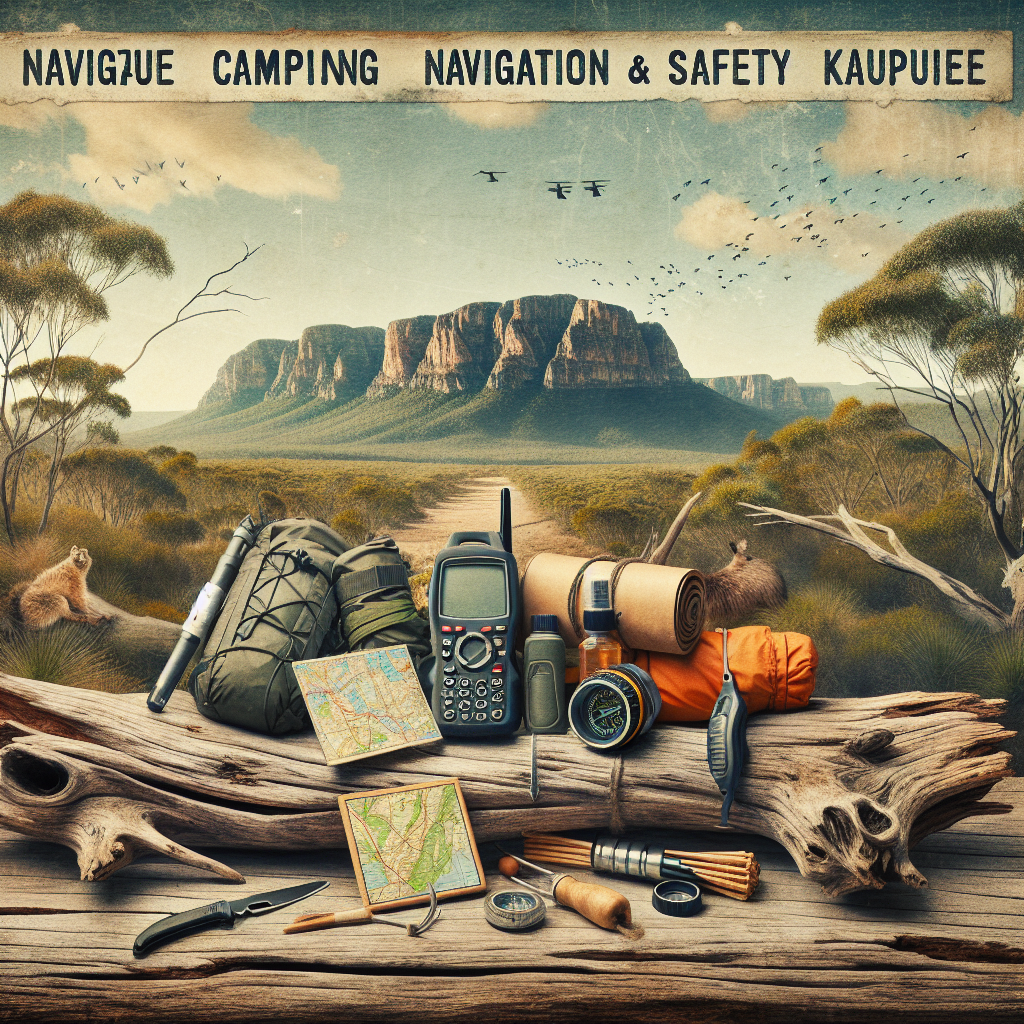

So, you’re itching to explore the great outdoors? Awesome! Camping is an incredible way to reconnect with nature, challenge yourself, and create lasting memories. But let’s be real – wandering aimlessly in the woods isn’t exactly a recipe for a relaxing getaway. That’s where camping navigation comes in. Think of this as your essential guide to keeping yourself safe, on track, and maybe even impressing your friends with your newfound wilderness skills.
Why Bother with Navigation Anyway?
Alright, let’s get one thing straight. Relying solely on your phone’s GPS out in the backcountry? That could be a recipe for disaster. Batteries die, signals disappear faster than free donuts at a conference, and suddenly you’re relying on a gadget that’s about as useful as a paperweight.
I mean, you might think, “It’s just a short hike, what could go wrong?” But that’s usually when Murphy’s Law kicks in. Getting lost isn’t just inconvenient; it can be downright dangerous, especially if the weather turns, or someone gets injured. Knowing how to navigate empowers you to handle unexpected situations with confidence and keeps small problems from turning into major crises.
Essential Navigation Tools: Your Wilderness Toolkit
Think of your navigation tools as your trusty sidekicks on any camping adventure. You wouldn’t go into battle without your sword, would you? Well, in the wild, these are your swords.
The Map: Your Visual Guide
Forget those tiny phone screens for a moment. A topographic map is your ultimate overview of the terrain. It’s like having a satellite view with all the juicy details: elevation changes, water sources, trails, and landmarks.
You really need to understand those contour lines! They show you the elevation. The closer they are together, the steeper the terrain. The further apart, the flatter the area. It’s critical to understanding the difficulty of your planned route. But, more importantly, it can save you from making some wrong turns.
The Compass: Your Directional Friend
Sure, a map shows you the lay of the land, but a compass is your steadfast guide in determining direction. It works anywhere, irrespective of sunlight or signal coverage. In the world of navigation, it is a reliable pal.
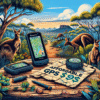
GPS Device: The Modern Navigator
Modern GPS devices offer a blend of convenience and accuracy. They show your location, track your route, and store waypoints. But, remember, they are electronic devices. Always carry spare batteries!
Altimeter Watch: Elevation Awareness
An altimeter watch shows your altitude.
Here’s the thing: Combining an altimeter watch with map reading skills is powerful. You can pinpoint your location by matching your altitude to the contour lines on your map.
Don’t Forget These!
Besides the essentials, a few extras can really make your life easier:
- Pencil and Paper: For marking your map and taking notes. A waterproof notebook is an excellent choice.
- Whistle: An essential for signaling in emergencies. Six short blasts followed by a minute of silence.
- Mirror: For signaling over long distances using sunlight.
Mastering the Basics: Map Reading 101
Now, let’s break down the art of reading these maps. There’s a heap to understand, but trust me, it’s a skill that can not only make your camping trips safer but much more fulfilling.
Understanding Map Symbols
Ever looked at a map and wondered what all those little pictures mean? Map symbols are a universal language that tells you about the terrain.
Using a Compass: Finding Your Way
So, you’ve got your compass. Great! But how exactly does this little tool help you navigate? Let’s break it down.
Understanding Compass Parts
First things first, let’s get familiar with the anatomy of a compass. You’ve got the baseplate, the magnetic needle, the rotating bezel (or azimuth ring), the direction-of-travel arrow, and the index line. Each part plays a crucial role in helping you find your way
Taking a Bearing
Taking a bearing means determining the angle between your current position and your destination, relative to magnetic north.
Following a Bearing
Once you’ve taken a bearing, you need to follow it!
Dealing with Declination
Ah, declination – the difference between true north (geographic north) and magnetic north (where your compass needle points). It’s kind of a big deal because it can throw off your navigation if you don’t account for it.
Combining Map and Compass: The Dynamic Duo
You know what’s better than having a map or a compass? Having both and knowing how to use them together.
Orienting Your Map
The first step is to orient your map, which means aligning it with the terrain around you. This makes it much easier to visualize your surroundings and identify landmarks.
Pinpointing Your Location
Knowing where you are on the map is, well, pretty important. There are several ways to pinpoint your location.
Planning Your Route
Now that you know how to read a map, use a compass, and combine them, you can start planning your route.
Using GPS Devices Effectively
As tech advances, GPS devices have become more common among outdoor enthusiasts, offering a convenient way to navigate. They’re compact and easy to use, but they’re not the be-all and end-all of navigation.
Understanding GPS Basics
Let’s start with the fundamental aspects before we proceed. A GPS uses signals from satellites to specify your location on Earth. Remember, it needs a clear sky view to work flawlessly, something that isn’t always available in dense woods or deep canyons.
Setting Waypoints
Think of waypoints like digital breadcrumbs. You mark significant locations – campsites, trail junctions, water sources – on your GPS. The clever thing is, you can then navigate directly to these points, making it easy to follow a pre-planned route or return to a spot.
Navigating with GPS
Most GPS devices have digital maps and a compass display. You can see the bearing you need to follow and the distance to your destination. I’ve found that staying aware of your surroundings and matching what you see on your device to the actual terrain really helps.
Relying Too Much On Tech Risks
“You know what?” Over-reliance on technology can be dangerous. The biggest mistake is trusting your GPS without verifying its accuracy with a map and compass. Power outages happen, devices fail, and satellite signals can be obstructed. Always double-check!
Staying Safe: Navigation and Emergency Preparedness Considerations
Let’s talk about safety. This isn’t just about knowing how to read a map; it’s about making smart decisions. And if something does go south, you’ll want to be prepared.
Essential Safety Gear
The right gear can seriously save your bacon.
- First Aid Kit: A well-stocked kit tailored to the types of injuries you might encounter is crucial. Make sure you know how to use everything in it!
- Emergency Shelter: A lightweight bivy sack or survival blanket can protect you from harsh weather if you get stuck.
- Fire Starter: Waterproof matches, a lighter, or a fire starter can be a lifesaver for warmth and signaling.
- Extra Food and Water: Always carry more than you think you’ll need. You might be out longer than you planned.
- Signaling Devices: A whistle, signal mirror and bright-colored cloth can help you signal for help.
Leave No Trace and Respect for Wildlife
Being safe also means protecting the environment.
What to Do If You Get Lost?
Okay, reality check. Even the best navigators can get disoriented. Staying calm is step number one.
- Stop: Stay calm and assess the situation. Panic won’t help.
- Think: Review your map, compass, or GPS if you have them. Try to retrace your steps.
- Observe: Look for familiar landmarks or signs.
- Plan: Make a plan and stick to it.
Practice Makes Perfect: Honing Your Skills
Let’s face it: reading about navigation is one thing, but actually putting those skills into practice is another.
Start Small
Don’t jump into a multi-day trek in the wilderness. Begin with shorter hikes in familiar locations.
Use Local Parks
Local parks are ideal training grounds. They’re usually well-maintained, clearly marked, and close to home, so you can practice without the risks of the backcountry.
Join a Navigation Course
Learning from experts is invaluable. A navigation course can provide hands-on instruction, tips, and feedback that you won’t get from reading a book or watching a video.
Conclusion: Embrace the Adventure, Respect the Wilderness
Camping navigation isn’t just about getting from point A to point B; it’s about experiencing the journey with confidence, awareness, and respect for the natural world. Whether you’re a newbie or a seasoned outdoor enthusiast, mastering these skills will undoubtedly enrich your adventures. Keep learning, stay curious, and always prioritize safety. Now get out there and explore!
Frequently Asked Questions (FAQs)
What’s the most important thing to remember about camping navigation?
Honestly, it’s redundancy! Don’t rely on just one tool. Use a combination of map, compass, and GPS, and always have a backup plan.
How do I choose the right compass for camping?
Look for a baseplate compass with a clear baseplate, a rotating bezel, and declination adjustment. Brands like Suunto and Silva are known for their quality.
Is it safe to rely solely on my phone for navigation?
Here’s the thing: phones are great for some things, but not for serious backcountry navigation. Batteries die, signals drop, and they’re not as durable as dedicated devices. Always carry a map and compass as backup.
What should I do if I think I’m lost?
STOP! Stop, Think, Observe, Plan. Stay calm. Try to retrace your steps. If you can’t, stay put and signal for help.
How often should I practice my navigation skills?
Regular practice is essential. Even short hikes in local parks can help keep your skills sharp. Try to practice at least once a month, or more often if you’re planning a big trip.
Are GPS watches reliable for camping navigation?
GPS watches are convenient and can provide valuable information, but they’re not foolproof. Battery life can be an issue. It’s best to use them as a supplement to map and compass skills, not as a replacement.
What are some common mistakes new campers make with navigation?
Many newbies underestimate the importance of navigation, rely too heavily on technology, or don’t practice their skills beforehand. Always be prepared, and never underestimate the wilderness.
DISCLAIMER
This article aims to provide general guidance on camping navigation. Wilderness navigation involves inherent risks. Your safety depends on your own judgment, experience, and preparation. Always consult with experienced guides or instructors, and thoroughly research your specific destination before venturing into the backcountry. The author and publisher are not responsible for any incidents or injuries resulting from the use of this information.
Categories
- Navigation & Safety (68)
- Shelter & Sleep (72)
Top rated products
-
 Dune 7.6 Ultralight 2-Person Tent for All-Season Adventures Rated 5.00 out of 5$113.63 – $120.74Price range: $113.63 through $120.74
 -
Nature Bell 185 cm Folding Cot: Comfort On-the-Go Adventure Bed Rated 5.00 out of 5$36.04 – $38.44Price range: $36.04 through $38.44
-
Revolutionary 7" HD Underwater Fishing Camera with LED Lights Rated 5.00 out of 5$164.55 – $208.98Price range: $164.55 through $208.98



Product Gallery
-
 Ultimate 2-3 Person Inflatable Kayak for Fishing Fun Rated 5.00 out of 5
$1,552.46Original price was: $1,552.46.$1,082.01Current price is: $1,082.01. -
VEVOR 550 lb Heavy-Duty Folding Wagon & Bench for Adventurers
$156.12 – $253.79Price range: $156.12 through $253.79
-
Adventure-Ready Ultra Bright LED Headlamp with 3 Modes
$4.67 – $25.16Price range: $4.67 through $25.16







 Camping Gear
 Camping Chair
 Camping Table
 Sleeping Bags
 Camping Bed
 Sleeping Gear
 Storage Bags
 BBQ Portable
 Camping Tents
 Gazebos
 Outdoor Cooler
 Cookware
 Power
Power Camping Light
 Flashlight
 Portable Solar
 Power Banks
 Fish Finders
 Fishing Bags
 Fishing Jerseys
 Fishing Reels
 Fishing Chairs
 Fishing Bait Boat
 Fishing Floats
 Hard Baits
 Hiking Vests
 Outdoor Bags
 Water Filters
 Paracord
 Walkie Talkie
 Paddleboards
 Boats
Boats Sea Scooter
 Accessories
 Electric Bike
 Electric Scooter
Recent Comments