

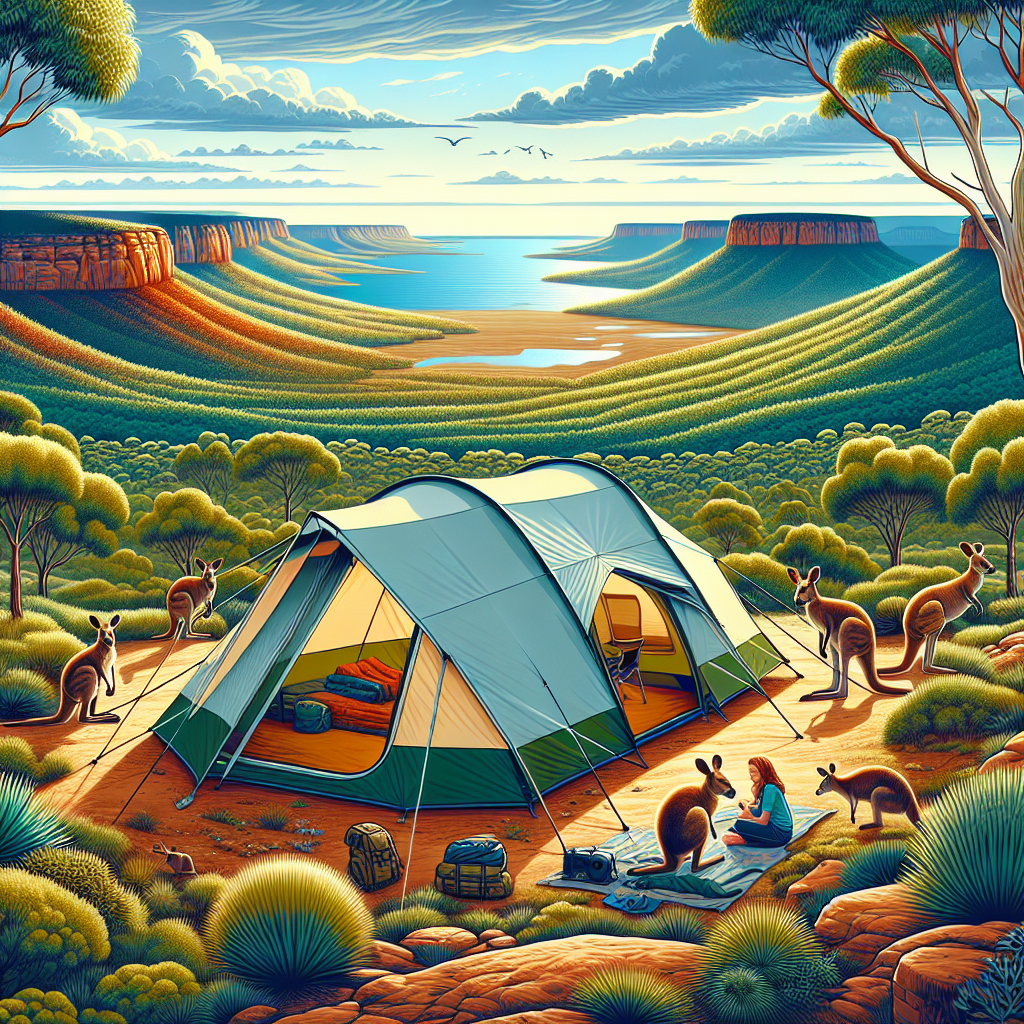

So, you’re thinking about taking the family camping? Awesome! Fresh air, s’mores, and quality time – what’s not to love? But before you pack the marshmallows, let’s talk about the heart of your campsite: the tent. Choosing the right family camping tent can make or break your trip. Trust me, I’ve seen it all – leaky tents, collapsing tents, tents that are so tiny you can barely breathe. We don’t want that. We want a happy camping experience. So, let’s get into it!
Why is Choosing the Right Family Tent So Important?
Think of your tent as your home away from home. It’s where you’ll sleep, store your gear, and maybe even take refuge from the occasional rain shower (or, let’s be honest, downpour). A good tent provides comfort, security, and a basecamp for all your adventures. A bad one? Well, let’s just say you’ll be wishing you’d booked that hotel room.
Size Matters: How Many People (and How Much Stuff)?
First things first: size. How many people will be sleeping in this tent? A good rule of thumb is to always go bigger than you think you need. Those “4-person” tents? Yeah, they’re really more like 2 adults and maybe a small child, plus some gear Tetris.
Speaking of gear, where are you going to put it all? Sleeping bags, backpacks, hiking boots – that stuff adds up fast. Consider a tent with a vestibule (that little covered area by the door) for extra storage. It’s a lifesaver! Or hey, you could always go for a separate gear tent if you’re feeling extra organized. It’s all about comfort, right?
Types of Family Camping Tents: A Quick Rundown
Okay, now for the fun part: the different types of tents! It can seem overwhelming, but I’ll break it down simply.
Dome Tents: The Classic Choice
Dome tents are probably what you picture when you think of a tent. They’re usually pretty easy to set up, relatively lightweight, and hold up well in moderate weather. They’re the reliable workhorse of the camping world. Plus, they’re usually budget-friendly, which is always a win.
Cabin Tents: Room to Stand Up!
Cabin tents have straight walls, so you can actually stand up inside! If you’re planning a longer camping trip, or if you just appreciate having some headroom, these are a great choice. Think of them as little portable cabins – perfect for feeling less cramped. Seriously, being able to stand up straight after a day of hiking is huge.
Tunnel Tents: Spacious and Weather-Resistant
Tunnel tents use a series of hoops to create a long, tunnel-like shape. They offer great space and are surprisingly stable in windy conditions. They’re a popular choice in Europe, and are becoming more common here too. However, setting them up can be a bit more challenging than dome tents. But once you get the hang of it, you’ll appreciate the extra space.
Instant Tents: Pop-Up Convenience
Instant tents (also called “pop-up” tents) are exactly what they sound like: tents that set up in seconds. These are amazing if you hate wrestling with tent poles. Literally, you just unfold it, click a few things into place, and bam – you’re done. The downside? They can be bulkier to pack and might not be as durable in strong winds. But for sheer convenience, they’re hard to beat. I mean, who doesn’t love saving time when setting up camp?
Geodesic and Semi-Geodesic Tents: For Serious Weather
These tents are designed for extreme conditions. They have a complex pole structure that makes them incredibly strong and stable in high winds and heavy snow. Unless you’re planning on camping on Mount Everest, you probably don’t need one of these for family camping. But hey, it’s good to know they exist!
Material World: What Your Tent is Made Of Matters
Okay, let’s talk materials. The fabric your tent is made of will affect its weight, durability, and water resistance.
Polyester: Lightweight and Affordable
Polyester is a common choice for tent fabric because it’s lightweight, affordable, and resists stretching and sagging when wet. It’s a good all-around option for most family camping scenarios. But, it’s not the most durable or UV-resistant material out there.
Nylon: Stronger and More Durable
Nylon is stronger and more durable than polyester. It’s also more resistant to UV damage, which means your tent will last longer. However, nylon can stretch when wet, which can cause the tent to sag a bit. Look for tents that have been treated to minimize this stretching. Ripstop nylon is even better, as it prevents small tears from turning into big ones.
Canvas: Heavy-Duty and Breathable (But Heavy!)
Canvas tents are super durable and breathable, making them comfortable in both hot and cold weather. They’re also much quieter in the wind than nylon or polyester tents. The downside? They’re heavy! Seriously, canvas tents are not for backpacking. But, if you’re car camping and want a tent that will last for years, canvas is a great choice. Plus, they just have that classic, rugged camping vibe that’s hard to resist.
Waterproof? Water-Resistant? What’s the Deal?
This is where things can get confusing. “Waterproof” and “water-resistant” are not the same thing.
Water-Resistant: Good for Light Rain
Water-resistant tents can handle light rain or a brief shower. They usually have a coating that repels water, but they’re not designed to withstand prolonged exposure to heavy rain. Think of it as a light jacket – good for a drizzle, but not a downpour.
Waterproof: Bring on the Storms!
Waterproof tents are designed to keep you dry even in heavy rain. They have a waterproof coating and sealed seams to prevent water from leaking in. Look for a tent with a high “hydrostatic head” rating (measured in millimeters) – the higher the number, the more waterproof the tent. A rating of 2000mm or higher is generally considered waterproof. Don’t skimp on this! A leaky tent is a miserable experience.
The Bathtub Floor: Keep the Water Out
Speaking of waterproofness, pay attention to the tent floor. A “bathtub floor” is a design where the floor fabric extends up the sides of the tent a few inches, creating a waterproof barrier. This is a great feature to look for, as it prevents water from seeping in from the ground.
Ventilation: Don’t Suffocate!
Ventilation is just as important as waterproofness. A tent with poor ventilation will trap moisture inside, leading to condensation. Nobody wants to wake up in a damp sleeping bag!
Mesh Panels: Let the Air Flow
Look for a tent with plenty of mesh panels on the walls and roof. This allows air to circulate, reducing condensation and keeping you comfortable. Some tents even have adjustable vents that you can open or close depending on the weather.
Rainfly Ventilation: Cover and Breathability
Make sure your rainfly (the waterproof cover that goes over the tent) has vents as well. These vents allow moisture to escape while still protecting you from the rain. It’s a delicate balance – keeping the water out, but letting the air flow.
Ease of Setup: How Much Do You Value Your Sanity?
Let’s be honest, nobody wants to spend hours wrestling with tent poles after a long day of driving. Especially when you have hungry kids clamoring for dinner.
Color-Coded Poles: A Lifesaver
Look for tents with color-coded poles and sleeves. This makes setup much easier, especially if you’re a beginner. Trust me, you’ll thank me later. It’s the little things, you know?
Practice Makes Perfect: Do a Trial Run
Before you head out on your camping trip, set up the tent in your backyard or living room. This will give you a chance to familiarize yourself with the process and make sure you have all the necessary parts. Plus, it’s a fun way to get the kids involved!
Durability: How Long Do You Want This Tent to Last?
A good tent is an investment, so you want it to last. Consider the denier (D) rating of the fabric – the higher the number, the thicker and more durable the fabric. Also, look for reinforced stitching and sturdy zippers.
Reinforced Stitching: Stronger Seams
Reinforced stitching means that the seams are less likely to tear under stress. This is especially important in areas that get a lot of wear and tear, like the corners and zipper areas.
Heavy-Duty Zippers: No More Snags
A broken zipper can ruin a camping trip. Look for tents with heavy-duty zippers that are less likely to snag or break. Also, consider zippers with storm flaps – these help to keep water out.
Extra Features: Bells and Whistles or Must-Haves?
Okay, now for the fun extras! These aren’t essential, but they can definitely make your camping trip more enjoyable.
Vestibules: Extra Storage Space
As I mentioned earlier, vestibules are covered areas by the door of the tent that provide extra storage space for gear. They’re great for keeping muddy boots and backpacks out of the sleeping area.
Gear Lofts and Pockets: Organization is Key!
Gear lofts (mesh shelves that hang from the ceiling) and pockets are great for organizing your stuff inside the tent. They’re perfect for storing things like flashlights, books, and phones. Honestly, I can’t stress enough how much these help keep things tidy.
E-Ports: Power Up!
Some tents have E-Ports, which are zippered openings that allow you to run an extension cord into the tent. This is great if you want to power things like lights or a fan. Just make sure to use a safe, outdoor-rated extension cord.
Room Dividers: Create Separate Spaces
If you want to create separate sleeping areas within the tent, look for a tent with room dividers. These are fabric panels that can be hung from the ceiling to create “rooms” within the tent. Perfect for families who want a bit of privacy.
Price Point: How Much Are You Willing to Spend?
Tents range in price from budget-friendly to seriously expensive. Decide how much you’re willing to spend before you start shopping. Remember, you usually get what you pay for – a cheaper tent might not be as durable or waterproof as a more expensive one.
Entry-Level Tents: Great for Beginners
Entry-level tents are a good option if you’re new to camping or if you only plan on camping a few times a year. They’re usually made from less expensive materials and have fewer features, but they can still provide a comfortable camping experience.
Mid-Range Tents: A Good Balance of Quality and Price
Mid-range tents offer a good balance of quality and price. They’re usually made from more durable materials and have more features than entry-level tents. These are a good choice if you plan on camping regularly.
High-End Tents: The Cadillac of Camping
High-end tents are the best of the best. They’re made from the most durable materials and have all the bells and whistles you can imagine. These are a good choice if you’re a serious camper who wants a tent that will last for years.
Top Brands: Who Makes the Best Family Camping Tents?
There are a lot of great tent brands out there. Here are a few of the most popular:
- REI Co-op: Known for their high-quality, durable tents.
- Coleman: A classic brand that offers a wide range of affordable tents.
- MSR (Mountain Safety Research): Specializes in high-performance tents for serious adventurers.
- Big Agnes: Known for their innovative designs and lightweight materials.
- Eureka!: A reliable brand that offers a good balance of quality and price.
Where to Buy: Online or In-Store?
You can buy tents online or in-store. Buying online offers a wider selection and often lower prices. However, buying in-store allows you to see the tent in person and talk to a salesperson.
Online Retailers: Convenience at Your Fingertips
Online retailers like Amazon, REI.com, and Backcountry.com offer a huge selection of tents. You can read reviews from other customers and compare prices easily.
Local Camping Stores: Expert Advice and Hands-On Experience
Local camping stores offer expert advice and the opportunity to see the tent in person. You can also ask questions and get recommendations from experienced campers.
Caring for Your Tent: Make It Last
To keep your tent in good condition, it’s important to take care of it properly.
Clean It After Each Trip: Dirt and Grime are the Enemy
After each camping trip, clean your tent with a damp cloth to remove any dirt or grime. Avoid using harsh soaps or detergents, as these can damage the fabric.
Dry It Thoroughly: Prevent Mildew
Before storing your tent, make sure it’s completely dry. This will prevent mildew from forming. You can hang it in your backyard or garage to dry.
Store It Properly: Keep It Safe
Store your tent in a cool, dry place. Avoid storing it in direct sunlight, as this can damage the fabric. Also, make sure to store the tent poles separately to prevent them from damaging the tent fabric.
So, What’s the Best Family Camping Tent?
Honestly, there’s no single “best” family camping tent. The right tent for you will depend on your specific needs and preferences. But by considering the factors I’ve outlined here – size, type, materials, waterproofness, ventilation, ease of setup, durability, features, and price – you can find the perfect tent for your next family camping adventure. Happy camping!
FAQ: Your Burning Tent Questions Answered
Alright, let’s tackle some of those frequently asked questions. I know you’ve got them!
Here are a few extra tips that you might find useful:
DISCLAIMER
Camping can be dangerous. Be sure to follow all safety guidelines and local laws. Wildlife encounters can be unpredictable; always store food properly and be aware of your surroundings. Check the weather forecast before you go and be prepared for changing conditions.
Categories
- Navigation & Safety (68)
- Shelter & Sleep (72)
Top rated products
-
 UNIKOO UK224 Mini Walkie Talkies: Adventure Awaits, Stay Connected! Rated 5.00 out of 5
$49.74Original price was: $49.74.$34.67Current price is: $34.67. -
Nature Bell 185 cm Folding Cot: Comfort On-the-Go Adventure Bed Rated 5.00 out of 5$35.61 – $37.99Price range: $35.61 through $37.99
-
Tactical Mini Flashlight: 150 Lumen Power for Glock & Hellcat Rated 5.00 out of 5
$122.88Original price was: $122.88.$85.65Current price is: $85.65.


Product Gallery
-
 Ultimate 2-3 Person Inflatable Kayak for Fishing Fun Rated 5.00 out of 5
$1,534.01Original price was: $1,534.01.$1,069.16Current price is: $1,069.16. -
VEVOR 550 lb Heavy-Duty Folding Wagon & Bench for Adventurers
$154.27 – $250.78Price range: $154.27 through $250.78
-
Adventure-Ready Ultra Bright LED Headlamp with 3 Modes
$4.62 – $24.86Price range: $4.62 through $24.86













 Camping Gear
 Camping Chair
 Camping Table
 Sleeping Bags
 Camping Bed
 Sleeping Gear
 Storage Bags
 BBQ Portable
 Camping Tents
 Gazebos
 Outdoor Cooler
 Cookware
 Power
Power Camping Light
 Flashlight
 Portable Solar
 Power Banks
 Fish Finders
 Fishing Bags
 Fishing Jerseys
 Fishing Reels
 Fishing Chairs
 Fishing Bait Boat
 Fishing Floats
 Hard Baits
 Hiking Vests
 Outdoor Bags
 Water Filters
 Paracord
 Walkie Talkie
 Paddleboards
 Boats
Boats Sea Scooter
 Accessories
 Electric Bike
 Electric Scooter
Recent Comments