

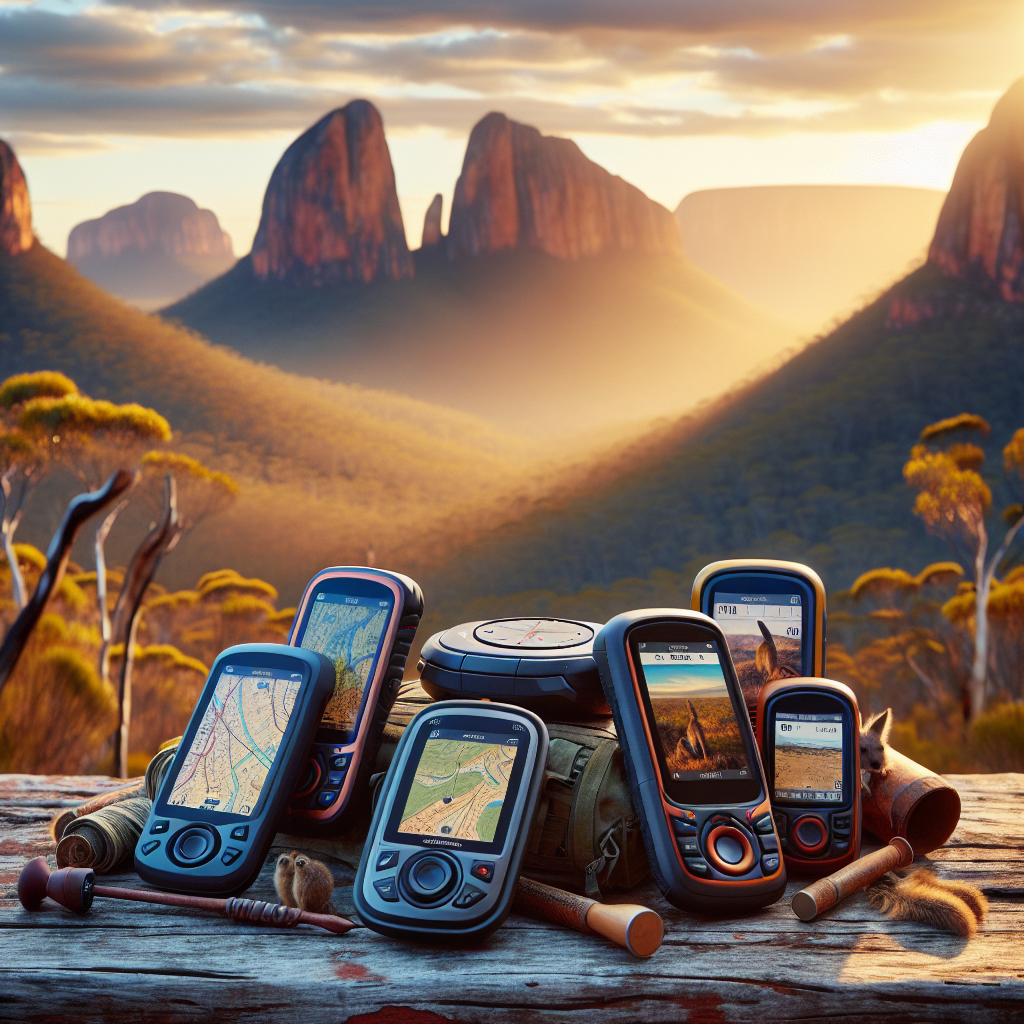

Alright, fellow adventurers! Ever been out on the trail, thinking you’re hot stuff with your paper map and compass, only to realize you’re…well, wonderfully lost? Been there, done that, bought the t-shirt. That’s where a good GPS device becomes your best friend. Seriously, it’s like having a tiny, know-it-all buddy who never gets tired. So, let’s talk about finding the best GPS for hiking and camping so you don’t end up providing entertainment for the local wildlife.
Why You Absolutely Need a GPS for Hiking and Camping
Why not just rely on a map and compass, you ask? Let me explain! While traditional navigation skills are invaluable, a GPS adds a layer of confidence and safety that’s hard to beat. It’s not about replacing old-school methods, but complementing them.
Think of it this way: a map and compass are like knowing how to drive a manual car. A GPS is like having automatic transmission with GPS navigation – easier to use, especially when the terrain gets tough. Here’s why a GPS is non-negotiable these days:
- Pinpoint Accuracy: GPS units can tell you exactly where you are, thanks to satellite wizardry. Forget vague estimates; we’re talking precise coordinates.
- Off-Trail Navigation: Planning a route that’s not on any marked trail? A GPS lets you create and follow custom routes with ease.
- Emergency Situations: Things go south? A GPS can get your coordinates to rescuers, and that can be a game-changer.
- Data Recording: Track your hikes, log waypoints, and analyze your performance. It’s like having your personal outdoor fitness tracker.
- Situational Awareness: A GPS helps maintain awareness of your surroundings by providing direction, distance to landmarks, and elevation, even in poor visibility.
What to Look for in a Hiking and Camping GPS
So, you’re convinced you need a GPS… great! But not all GPS devices are created equal. It’s like saying all cars are the same because they have wheels. Here’s what you need to consider to find the perfect match for your adventures:
- Battery Life: Out in the backcountry, power is precious. Look for devices with long battery life or the option to use replaceable batteries. Nobody wants a dead GPS halfway up a mountain.
- Durability: Hiking and camping can be rough. Your GPS should be able to handle drops, rain, and extreme temperatures. A rugged, waterproof device is worth its weight in gold.
- Screen Visibility: Can you read the screen in bright sunlight or under cloud cover? A clear, transflective display is crucial for ease of use.
- Preloaded Maps: Some GPS units come with detailed topographic maps, which can be incredibly useful. Check what’s included and whether you can add more.
- Ease of Use: Is the interface intuitive? Can you operate it with gloves on? A complicated GPS is useless when you’re in a hurry or stressed. Simplicity is key.
- Connectivity: Can you connect it to your computer or smartphone for data transfer and updates? Bluetooth and USB connectivity are valuable features.
- Weight and Size: You’re carrying this thing, so consider its weight and how it fits in your hand or pack. A bulky, heavy GPS can become a burden on long hikes.
Our Top GPS Device Picks for Hiking and Camping
Alright, let’s get to the good stuff – the actual GPS devices that made our list. We’ve tested these things in various conditions, from sunny day hikes to blizzard-like conditions (because why not?). Here are our top picks, broken down by what they excel at:
Garmin GPSMAP 66i/67i: The All-Around Champ
The Garmin GPSMAP 66i and its successor, the 67i, are like the Swiss Army knives of GPS devices. They’re packed with features that cater to both casual hikers and serious backcountry explorers. But, are they really worth the hype? Let’s see.
- Key Features:
- inReach Technology: Satellite communication for SOS alerts and two-way messaging (subscription required). Basically, it can save your bacon when cell service is a distant dream.
- Preloaded Topo Maps: Detailed maps of the U.S. and other regions.
- Long Battery Life: Up to 200 hours in expedition mode. Yes, you read that right.
- Durable Build: Rugged and water-resistant (IPX7).
- ABC Sensors: Altimeter, barometer, and compass for comprehensive environmental data.
- Pros:
- Unmatched satellite communication capabilities.
- Excellent battery life.
- Comprehensive mapping and sensor data.
- Cons:
- Expensive. Seriously, it’s an investment.
- Subscription required for inReach features.
- Perfect For:
- Backcountry adventurers, long-distance hikers, and anyone who wants a reliable emergency communication device.
Garmin eTrex 32x: The Budget-Friendly Option
Don’t want to break the bank? The Garmin eTrex 32x is a solid choice. It’s like the reliable, no-frills car that gets you from point A to point B without any fuss.
- Key Features:
- Compact and Lightweight: Easy to carry and handle.
- Preloaded Topo Maps: Basic topographic maps.
- Long Battery Life: Up to 25 hours with AA batteries.
- Color Display: Readable in most conditions.
- Expandable Memory: microSD card slot for additional maps.
- Pros:
- Affordable.
- Easy to use.
- Reliable performance.
- Cons:
- Limited features compared to higher-end models.
- Smaller screen.
- Perfect For:
- Casual hikers, beginners, and anyone on a tight budget.
Garmin Montana 700i: The Big Screen Experience
If you like your screens big and your features plentiful, the Garmin Montana 700i is worth a look. It’s like having a tablet designed for the outdoors.
- Key Features:
- Large Touchscreen Display: Easy to read and navigate.
- inReach Technology: Satellite communication for SOS alerts and messaging.
- Preloaded Topo Maps: Detailed topographic maps.
- Versatile Mounting Options: Suitable for hiking, biking, and more.
- Long Battery Life: Up to 18 hours in GPS mode; up to 330 hours in expedition mode.
- Pros:
- Large, user-friendly display.
- Comprehensive feature set.
- Durable and versatile.
- Cons:
- Bulky and heavy.
- Expensive.
- Perfect For:
- Users who want a large screen, advanced features, and satellite communication. Great for multi-sport enthusiasts.
Gaia GPS App: The Smartphone Solution
Okay, so this isn’t a standalone device, but it’s so good, it deserves a mention. If you’re comfortable using your smartphone for navigation, Gaia GPS is a fantastic option. It’s like turning your phone into a powerful GPS unit.
- Key Features:
- Offline Maps: Download maps for use without cell service.
- Extensive Map Sources: Access to a wide range of topographic and satellite maps.
- Route Planning Tools: Create and customize routes on your phone or computer.
- Record Tracking: Log your hikes and analyze your data.
- Community Sharing: Share your adventures with other users.
- Pros:
- Affordable (subscription-based).
- Easy to use and update.
- Access to a vast library of maps.
- Cons:
- Relies on your smartphone’s battery.
- Durability depends on your phone.
- Can be less accurate than dedicated GPS devices in dense tree cover.
- Perfect For:
- Tech-savvy hikers, backpackers, and anyone who wants a powerful mapping tool on their phone.
Tips for Using Your GPS Effectively
Getting a GPS is only half the battle. You need to know how to use it properly to get the most out of it. Here are some tips to ensure you’re not just carrying around an expensive paperweight:
- Practice at Home: Get familiar with your GPS before hitting the trail. Load maps, create waypoints, and practice navigating the menus.
- Carry Extra Batteries: If your GPS uses replaceable batteries, bring spares. If it’s rechargeable, consider a portable power bank.
- Protect Your Device: Use a screen protector and a case to protect your GPS from scratches and impacts.
- Learn to Calibrate: Make sure your GPS is properly calibrated for accurate readings.
- Download Offline Maps: Ensure you have the necessary maps downloaded for offline use, especially in areas with no cell service.
- Regularly Update Software: Keep your GPS software updated to benefit from the latest features and bug fixes.
- Check Satellite Signal: Before setting off, make sure your GPS has a strong satellite signal.
- Pair with Traditional Navigation Skills: A GPS is a tool, not a replacement for map and compass skills. Know how to use both.
- Plan Your Routes: Plan your routes in advance and load them onto your GPS. This helps you stay on track and anticipate challenging sections.
Navigating the Backcountry: More Than Just GPS
While a GPS is a powerful tool, it’s not the be-all and end-all of backcountry navigation. You still need to know your stuff when it comes to traditional skills. It’s about integrating technology with classic techniques for a well-rounded approach.
- Map and Compass Skills: Learn how to read a topographic map, use a compass, and take bearings. These skills are crucial if your GPS fails.
- Terrain Awareness: Develop an understanding of how to read the landscape. Recognize landmarks, elevation changes, and potential hazards.
- Weather Forecasting: Keep an eye on the weather. Changes in weather can affect visibility and trail conditions.
- Leave No Trace Principles: Minimize your impact on the environment. Pack out everything you pack in, stay on marked trails, and respect wildlife.
- Emergency Preparedness: Carry a first-aid kit, extra food and water, and a signaling device. Know how to handle common injuries and emergencies.
With all this in mind, it’s clear that the best GPS for hiking and camping isn’t just about the device itself—it’s about how you use it as part of a broader skillset. Stay safe out there, and happy trails!
Frequently Asked Questions (FAQ)
DISCLAIMER
Always consult with experienced guides or professionals before undertaking any outdoor activities. GPS devices are tools that should be used in conjunction with traditional navigation skills and sound judgment. The accuracy of GPS devices can vary, and unexpected events can occur in the wilderness. Be prepared for self-sufficiency and carry appropriate safety gear.
Categories
- Navigation & Safety (68)
- Shelter & Sleep (72)
Top rated products
-
 Effortless Power: 20 W Solar Charger for Blink Outdoor Cameras Rated 5.00 out of 5
$45.66Original price was: $45.66.$31.82Current price is: $31.82. -
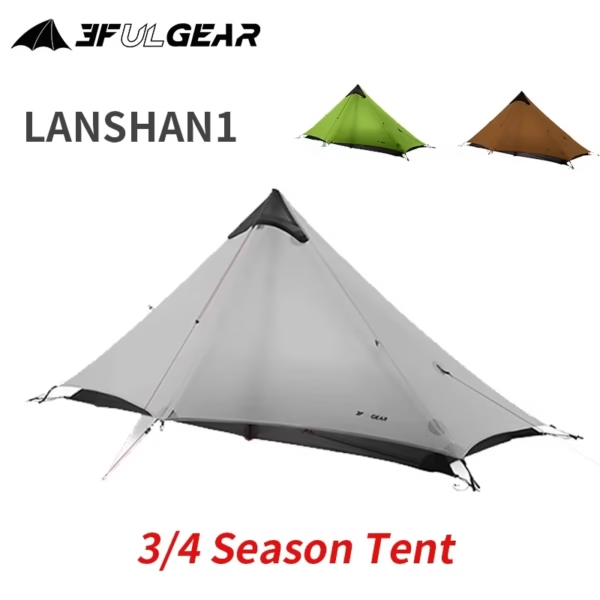
Ultralight 3 F UL GEAR Lan Shan 1 Tent for Solo Adventures Rated 5.00 out of 5
$359.23Original price was: $359.23.$250.38Current price is: $250.38. -
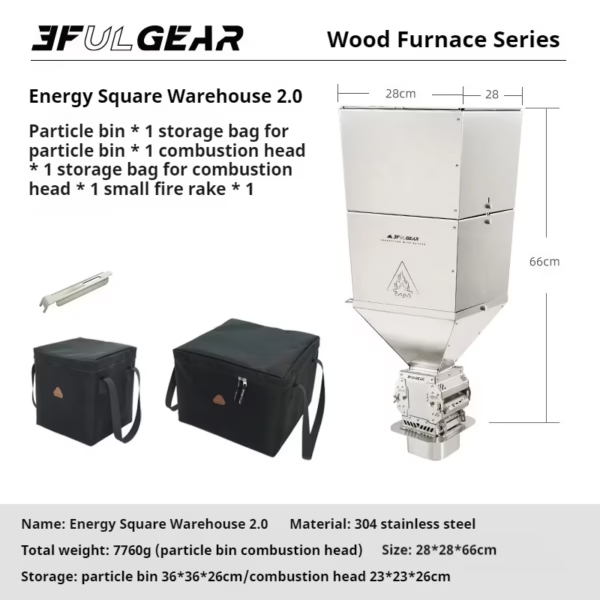
Ultimate 3 F UL GEAR 2.0 Stainless Steel Pellet Fuel Hopper Rated 5.00 out of 5
$555.43Original price was: $555.43.$387.12Current price is: $387.12.



Product Gallery
-
 Ultimate 2-3 Person Inflatable Kayak for Fishing Fun Rated 5.00 out of 5
$1,551.37Original price was: $1,551.37.$1,081.26Current price is: $1,081.26. -
VEVOR 550 lb Heavy-Duty Folding Wagon & Bench for Adventurers
$156.01 – $253.61Price range: $156.01 through $253.61
-
Adventure-Ready Ultra Bright LED Headlamp with 3 Modes
$4.67 – $25.14Price range: $4.67 through $25.14










 Camping Gear
 Camping Chair
 Camping Table
 Sleeping Bags
 Camping Bed
 Sleeping Gear
 Storage Bags
 BBQ Portable
 Camping Tents
 Gazebos
 Outdoor Cooler
 Cookware
 Power
Power Camping Light
 Flashlight
 Portable Solar
 Power Banks
 Fish Finders
 Fishing Bags
 Fishing Jerseys
 Fishing Reels
 Fishing Chairs
 Fishing Bait Boat
 Fishing Floats
 Hard Baits
 Hiking Vests
 Outdoor Bags
 Water Filters
 Paracord
 Walkie Talkie
 Paddleboards
 Boats
Boats Sea Scooter
 Accessories
 Electric Bike
 Electric Scooter
Recent Comments