

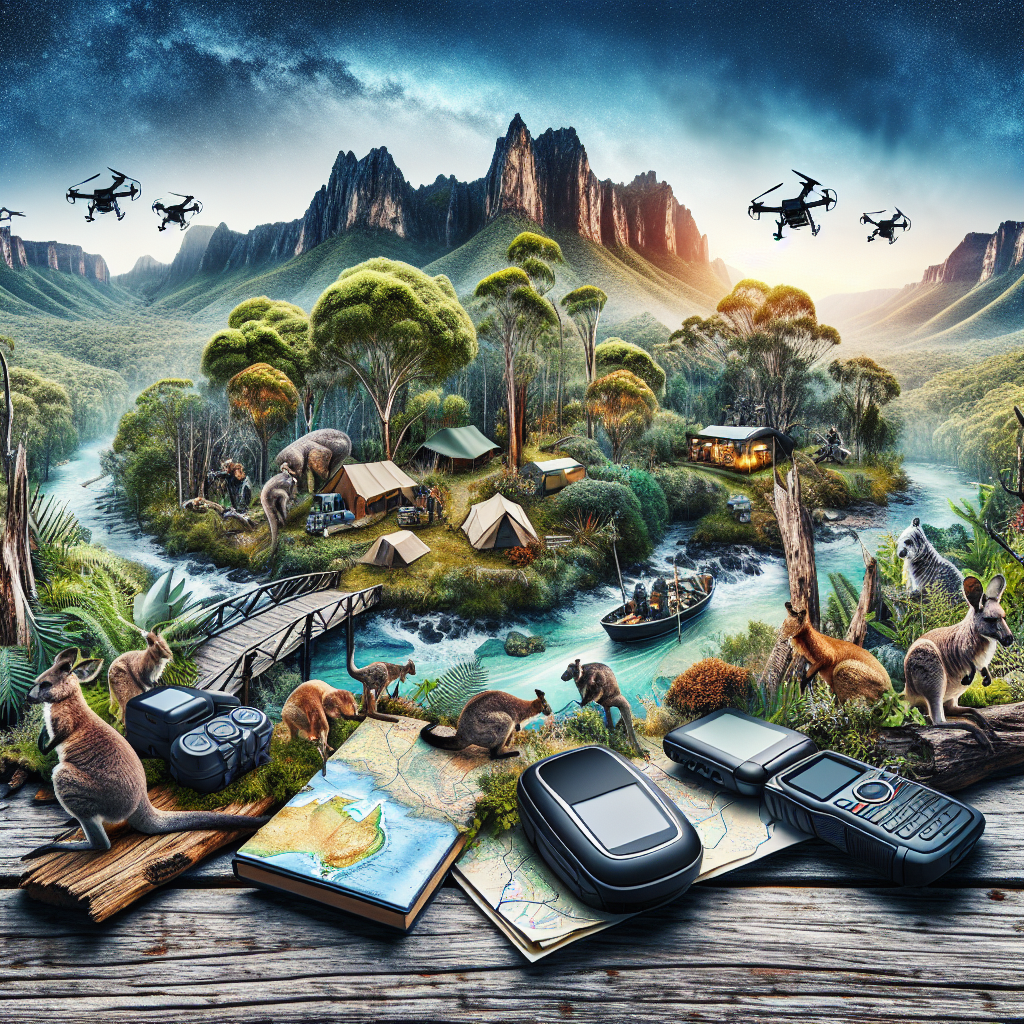
Power Up Your Adventure: Top GPS Devices for Long Camping Trips

So, you’re planning a long camping trip? Awesome! But before you pack your s’mores and sleeping bag, let’s talk navigation. Getting lost out there is no fun, trust me. And while maps and compasses are classics (and you *should* know how to use them), a good GPS device can be a lifesaver. We’re not just talking about convenience here, it’s about staying safe and making the most of your adventure. Think of it as your digital breadcrumb trail, only way more reliable than Hansel and Gretel’s.
Why a GPS Device is Essential for Extended Camping
—
Let’s face it: technology has changed the game. While I have mad respect for old-school navigation, relying *solely* on a map and compass for a multi-day trek can be risky. Why? Because conditions change. Weather rolls in, visibility drops, and suddenly that “easy” trail looks completely different. A GPS device gives you:
- Precise Location: Pinpoint accuracy in most conditions.
- Route Tracking: See where you’ve been and plan where you’re going.
- Emergency Features: SOS capabilities can summon help when you need it most.
- Digital Mapping: Detailed topographic maps right at your fingertips.
Honestly, for a long trip, it’s almost irresponsible *not* to have one. It’s like saying you’ll cross a busy road with your eyes closed – sure, you *could* make it, but why risk it?
Key Features to Look for in a Camping GPS
—
Okay, so you’re convinced. But with so many options out there, how do you choose? Don’t worry, I got you! Here’s what to consider when picking your perfect GPS companion:
- Battery Life: This is huge, especially for longer trips. Look for devices with at least 24 hours of battery life, and consider bringing a power bank. Remember cold weather can dramatically reduce battery performance.
- Durability: Camping gear takes a beating. Your GPS should be waterproof, shockproof, and able to withstand extreme temperatures. Think rugged, not fragile.
- Mapping Capabilities: Does it come preloaded with topographic maps? Can you download additional maps? Are the maps detailed enough for your needs?
- Ease of Use: A complicated interface is the last thing you want when you’re already stressed. Look for intuitive devices that are easy to navigate, even with gloves on.
- Connectivity: Does it have Bluetooth or Wi-Fi for syncing with your phone or computer? Can it receive weather updates?
- SOS Features: Does it have the ability to send an SOS signal to emergency services via satellite? This could be a game-changer in a life-or-death situation.
It’s a balancing act, right? Finding the sweet spot between features, durability, and price. Don’t just grab the cheapest thing you see; think about what you really *need* out there.
Top GPS Devices for Camping in 2024
—
Alright, buckle up! Let’s get into some specific recommendations. I’ve hand-picked these based on my own experience and user reviews. Keep in mind, the “best” device depends on your individual needs and budget. Consider this your starting point, not the definitive answer.
Garmin GPSMAP 66i
This is a powerhouse. The GPSMAP 66i boasts:
- InReach Technology: Two-way messaging and SOS capabilities via satellite.
- Preloaded Topo Maps: Detailed maps of the US and Canada.
- Excellent Battery Life: Up to 35 hours in tracking mode.
- Rugged Design: Built to withstand the elements.
Seriously, the InReach feature is a game-changer. It lets you communicate with family and friends even when you’re out of cell service. And in an emergency, that SOS button could save your life.
Garmin eTrex 32x
A mid-range option that’s easy to use and reliable. You get:
- Preloaded TopoActive Maps: Showing you trails, parks, coastlines, rivers, lakes and geographical points.
- High-Resolution Display: Easy to read in sunlight.
- Long Battery Life: Up to 25 hours on two AA batteries.
- Durable Construction: Withstands bumps and splashes.
The eTrex 32x is a great choice if affordability is a concern, or you want a simple no-frills device that “just works”.
Garmin Montana 700i
Big screen, big features, big price tag. The Montana 700i offers:
- Large Touchscreen Display: Makes navigation easy.
- InReach Technology: Satellite communication and SOS.
- Preloaded Topo Maps: Detailed maps for various regions.
- Customizable Profiles: Optimize settings for different activities.
If you’re willing to invest in a top-of-the-line device, the Montana 700i is worth considering. The large screen is especially useful for displaying detailed maps.
Backcountry Navigator XE
Okay, this is a *smartphone app*, not a dedicated GPS device. But hear me out! If you already have a smartphone, Backcountry Navigator XE can be a powerful and affordable alternative. Just make sure you have a good power bank and download offline maps. Key benefits include:
- Affordable: Much cheaper than a dedicated GPS device.
- Detailed Maps: Access to various map sources, including USGS topo maps.
- Route Planning: Create and follow custom routes.
- Offline Use: Download maps for use without cell service.
Of course, there are downsides. Smartphones are more fragile than dedicated GPS devices, and their battery life is generally shorter. But if you’re on a budget, Backcountry Navigator XE paired with a durable phone case and a robust power bank is a solid option.
Setting Up Your GPS for a Camping Trip
—
Buying a GPS is only half the battle. You need to set it up properly before you hit the trail. Here’s a quick checklist:
- Update the Software: Ensure you have the latest firmware installed.
- Download Maps: Download detailed topographic maps for your specific area.
- Charge the Battery: Fully charge your GPS before you leave.
- Create Waypoints: Mark important locations like campsites, water sources, and trailheads.
- Plan Your Routes: Create and download routes to your GPS.
- Familiarize Yourself with the Interface: Practice using the GPS before you need it in the field.
Don’t wait until you’re lost in the woods to figure out how your GPS works. Take the time to practice at home, so you can confidently use it when you need it most.
Essential Navigation Skills for Campers
—
A GPS is a great tool, but it’s not a replacement for basic navigation skills. Batteries die, devices break, and sometimes technology just fails. Knowing how to use a map and compass is still essential. Here’s a rundown of the basics:
- Map Reading: Understanding map symbols, scales, and contour lines.
- Compass Use: Taking bearings, orienting your map, and following a bearing.
- Triangulation: Determining your location using landmarks.
- Terrain Association: Using natural features to navigate.
Think of your GPS as a backup to your map and compass skills, not the other way around. It’s like knowing how to swim *and* having a life jacket. Good idea to have both, right?
Staying Safe on the Trail: GPS and Emergency Preparedness
—
Okay, let’s talk safety. A GPS can be a powerful safety tool, but it’s only one piece of the puzzle. Here’s how to use your GPS to enhance your emergency preparedness:
- Share Your Itinerary: Let someone know where you’re going and when you expect to be back.
- Carry a Backup Power Source: A power bank or extra batteries can be a lifesaver.
- Pack a First-Aid Kit: Be prepared for minor injuries and medical emergencies.
- Know How to Use Your SOS Feature: Understand how to activate the SOS feature on your GPS and what to expect when you do.
- Learn Basic Wilderness Survival Skills: Build a fire, find water, and build a shelter.
Remember, the goal is to be self-sufficient. Your GPS can help you, but ultimately, your safety depends on your own preparedness and skills. It’s good to be optimistic, but prepared is where it’s at.
Caring for Your GPS Device on Camping Trips
—
Treat your GPS right, and it’ll treat you right. Here’s how to keep your device in tip-top shape:
- Protect it from the Elements: Use a waterproof case or bag.
- Avoid Extreme Temperatures: Don’t leave it in direct sunlight or freezing temperatures.
- Clean it Regularly: Wipe off dirt and grime with a soft cloth.
- Store it Properly: When not in use, store your GPS in a safe place where it won’t get damaged.
A little TLC can go a long way. Taking care of your GPS will ensure it’s ready to go whenever you need it.
Final Thoughts: Embrace the Adventure, Responsibly
—
A GPS device is a fantastic tool for long camping trips. It can enhance your navigation skills, improve your safety, and help you make the most of your time in the wilderness. But remember, it’s just a tool. It’s up to you to learn how to use it effectively and to combine it with essential navigation skills and emergency preparedness. So go out there, explore, and have an amazing adventure. Just do it responsibly, okay?
Happy trails, friend!
External Resources for Further Reading:
Frequently Asked Questions (FAQ)
A smartphone GPS app can be a viable option, especially with offline maps and a robust power bank. However, smartphones are generally less durable and have shorter battery life than dedicated GPS devices. Consider a rugged case and ample power for extended trips.
Battery life is crucial, especially for longer trips. Look for devices with at least 24 hours of battery life, and consider carrying a power bank or extra batteries. Cold weather can significantly reduce battery performance, so keep that in mind.
Preloaded topo maps come installed on the GPS device, offering convenience right out of the box. Downloadable maps, on the other hand, allow you to customize your map selection based on your specific needs and regions. Some devices offer both options.
The SOS feature typically involves pressing and holding a dedicated SOS button on the device. This sends a distress signal to emergency services via satellite, providing your location and allowing for two-way communication in some cases. Familiarize yourself with the specific steps for your device before your trip.
Essential navigation skills include map reading, compass use, triangulation, and terrain association. These skills are crucial in case your GPS fails or batteries die. Consider taking a navigation course to brush up on these techniques.
No, it’s not recommended to rely solely on a GPS. While GPS devices are valuable, they can fail due to battery issues, damage, or signal loss. Always carry a map and compass and know how to use them as a backup.
It’s a good practice to update the software and maps on your GPS device at least a few times a year, or before any major trip. Updated software often includes bug fixes and performance improvements, while updated maps ensure you have the most accurate and current information.
DISCLAIMER
Navigating the wilderness involves inherent risks. The information provided in this article is for educational purposes only and does not substitute professional guidance or training. Always prioritize your safety by thoroughly preparing for your trip, understanding your equipment, and being aware of potential hazards. Weather conditions, terrain, and wildlife can change rapidly, so it’s crucial to exercise caution and adapt your plans accordingly. The author and publisher disclaim any liability for injuries, damages, or losses incurred while using the information presented herein.
Categories
- Navigation & Safety (68)
- Shelter & Sleep (72)
Top rated products
-
 Effortless Power: 20 W Solar Charger for Blink Outdoor Cameras Rated 5.00 out of 5
$45.66Original price was: $45.66.$31.82Current price is: $31.82. -
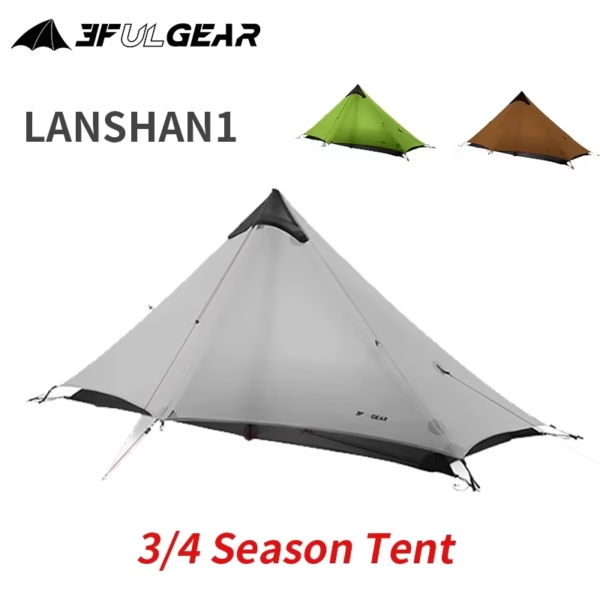
Ultralight 3 F UL GEAR Lan Shan 1 Tent for Solo Adventures Rated 5.00 out of 5
$359.23Original price was: $359.23.$250.38Current price is: $250.38. -
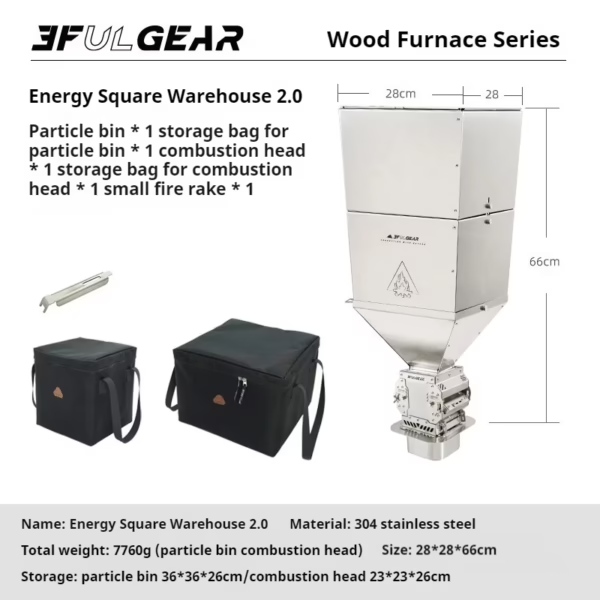
Ultimate 3 F UL GEAR 2.0 Stainless Steel Pellet Fuel Hopper Rated 5.00 out of 5
$555.43Original price was: $555.43.$387.12Current price is: $387.12.



Product Gallery
-
 Ultimate 2-3 Person Inflatable Kayak for Fishing Fun Rated 5.00 out of 5
$1,551.37Original price was: $1,551.37.$1,081.26Current price is: $1,081.26. -
VEVOR 550 lb Heavy-Duty Folding Wagon & Bench for Adventurers
$156.01 – $253.61Price range: $156.01 through $253.61
-
Adventure-Ready Ultra Bright LED Headlamp with 3 Modes
$4.67 – $25.14Price range: $4.67 through $25.14







 Camping Gear
 Camping Chair
 Camping Table
 Sleeping Bags
 Camping Bed
 Sleeping Gear
 Storage Bags
 BBQ Portable
 Camping Tents
 Gazebos
 Outdoor Cooler
 Cookware
 Power
Power Camping Light
 Flashlight
 Portable Solar
 Power Banks
 Fish Finders
 Fishing Bags
 Fishing Jerseys
 Fishing Reels
 Fishing Chairs
 Fishing Bait Boat
 Fishing Floats
 Hard Baits
 Hiking Vests
 Outdoor Bags
 Water Filters
 Paracord
 Walkie Talkie
 Paddleboards
 Boats
Boats Sea Scooter
 Accessories
 Electric Bike
 Electric Scooter
Recent Comments