



Ah, the great outdoors! There’s nothing quite like the smell of pine needles, the crackling of a campfire, and the incredible feeling of waking up surrounded by nature. But before you can fully embrace the wilderness, you need a reliable shelter. And that, my friends, starts with choosing the right camping tent. With so many options out there – from basic dome tents to sprawling multi-room palaces – finding the perfect one can feel, well, a little overwhelming. But don’t worry, that’s where I come in!
Why the Right Tent Makes or Breaks Your Trip
Let’s be honest, nobody wants to spend their vacation shivering in a leaky tent, battling condensation, or wrestling with complicated setup instructions. Your tent isn’t just a place to sleep; it’s your basecamp, your refuge from the elements, and your personal sanctuary in the wild. A good tent provides protection, comfort, and, most importantly, peace of mind. Think of it as investing in good night’s sleep, dry gear, and happy memories.
Decoding Tent Types: From Backpacking to Glamping
Okay, so you’re ready to buy a tent. But what *kind* of tent? The sheer variety can be mind-boggling. Let’s break it down!
Dome Tents: The Classic All-Rounder
Dome tents are probably what you picture when you think of a “tent.” They’re recognizable by their (wait for it) dome shape, created by flexible poles that arch and intersect. These tents are generally lightweight, easy to set up, and offer a good balance of space and weather protection. They’re a great option for beginners and casual campers.
Typically, you’ll find that dome tents are freestanding, meaning they can stand on their own without being staked to the ground (though staking is always recommended for stability, especially in windy conditions!). They’re also pretty budget-friendly, making them an accessible choice for many.
- Pros: Easy to set up, lightweight, affordable.
- Cons: Can be cramped for larger groups, not ideal for harsh weather.
Tunnel Tents: Spacious Shelters for Groups
Tunnel tents use a series of arched poles to create a long, tunnel-like structure. This design maximizes interior space and headroom, making them a comfortable choice for families or groups who need room to spread out. Think of them as the minivan of the tent world.
However, tunnel tents generally aren’t freestanding and require staking for stability, which can be a challenge on rocky or uneven terrain. Also, they tend to be heavier and bulkier than dome tents, making them less suitable for backpacking.
- Pros: Excellent space and headroom, good for families.
- Cons: Requires staking, heavier, less portable.
Geodesic and Semi-Geodesic Tents: Built for Extreme Conditions
When the weather gets rough, geodesic and semi-geodesic tents are the warriors you want in your corner. These tents have a complex network of poles that intersect to form triangles, creating a super-strong and stable structure that can withstand high winds and heavy snow. Serious adventurers and mountaineers swear by these.
The downside? They can be more expensive, heavier, and trickier to set up. But if you’re planning on camping in exposed areas or during the off-season, the extra protection is well worth it. Think Everest base camp vibes!
- Pros: Exceptional stability in wind and snow, durable.
- Cons: Expensive, heavy, complex setup.
Pop-Up Tents: Instant Camping Gratification
Pop-up tents are the ultimate in convenience. Just toss them in the air (carefully!), and they practically set themselves up in seconds. They’re lightweight and easy to carry, making them a popular choice for festivals, casual camping, or anyone who hates wrestling with tent poles.
Of course, there are trade-offs. Pop-up tents are generally less durable and offer less weather protection than other types of tents. They can also be challenging to fold back down (trust me, I’ve been there!). But if you prioritize speed and simplicity, a pop-up tent might be just what you need.
- Pros: Extremely easy and fast setup, lightweight.
- Cons: Less durable, limited weather protection, can be difficult to fold.
Bell Tents: Glamping in Style
For those who like their camping with a touch of luxury, bell tents are the way to go. These spacious, teepee-shaped tents offer plenty of headroom and floor space, making them ideal for glamping (glamorous camping). Imagine a canvas castle in the woods!
Bell tents are typically made from heavy-duty canvas and can be equipped with features like wood stoves, beds, and furniture. However, they’re also heavy, bulky, and require a large, flat area for setup. So, they’re not exactly ideal for backpacking, but they *are* perfect for creating a comfortable and stylish basecamp.
- Pros: Spacious, comfortable, stylish.
- Cons: Heavy, bulky, requires a large setup area.
What Size Tent Do You Really Need?
Tent sizes are usually described by the number of people they can accommodate (e.g., 2-person tent, 4-person tent). However, it’s important to remember that these numbers are often optimistic. If you value comfort and space, it’s generally a good idea to size up.
For example, if you’re camping with two people, a 3-person or even a 4-person tent might be a better choice, especially if you have a lot of gear or like to spread out. Consider how much floor space you need for sleeping bags, backpacks, and other essentials. Also, think about headroom – can you sit up comfortably inside the tent?
You know what? Sometimes it’s worth sacrificing a little weight for some extra elbow room. Trust me, your back will thank you.
Decoding Tent Materials: What’s it Made Of?
The materials used in tent construction play a huge role in its performance, durability, and weight. Let’s break it down!
Tent Fabrics: Polyester vs. Nylon
Polyester and nylon are the two most common fabrics used for tent bodies and rainflies. Both are lightweight, water-resistant, and relatively affordable. However, there are some key differences. Polyester is more resistant to UV degradation, meaning it will last longer in direct sunlight. Nylon, on the other hand, is stronger and more abrasion-resistant.
Nylon is often coated with silicone or polyurethane (PU) to improve its water resistance. Silicone-coated nylon (silnylon) is lighter and more durable than PU-coated nylon, but it’s also more expensive. PU-coated nylon is a more budget-friendly option, but it can become sticky and degrade over time.
Tent Poles: Aluminum vs. Fiberglass
Tent poles provide the structure and support for your tent. Aluminum poles are stronger, lighter, and more durable than fiberglass poles. They’re also more resistant to bending and breaking, making them a better choice for harsh weather conditions. Fiberglass poles are less expensive, but they’re also more prone to snapping and splintering. Think of aluminium as the premium choice and fiberglass as a more budget-friendly option.
Waterproofness: Understanding Hydrostatic Head Ratings
When it comes to tents, waterproofness is king. The hydrostatic head rating (measured in millimeters) indicates how much water pressure a fabric can withstand before it starts to leak. A higher rating means better water resistance.
Generally, a hydrostatic head rating of 1500mm is considered waterproof for a tent floor, while a rating of 1200mm is sufficient for a rainfly. However, for prolonged exposure to heavy rain or snow, you’ll want a higher rating. Look for tents with fully taped seams to prevent water from seeping in through the stitching.
Here’s the thing: waterproofness isn’t just about the fabric. It’s also about the design of the tent. A well-designed tent will have a bathtub floor (where the floor fabric extends up the sides of the tent to create a waterproof barrier), a rainfly that covers the entire tent body, and adequate ventilation to prevent condensation.
REI’s Guide to Choosing a Tent
Ventilation: Keeping Condensation at Bay
Condensation is the bane of every camper’s existence. It occurs when warm, moist air inside the tent comes into contact with the cold tent walls, causing water droplets to form. Condensation can make your gear wet and uncomfortable, and in extreme cases, it can even lead to hypothermia.
Good ventilation is key to minimizing condensation. Look for tents with mesh panels, vents in the rainfly, and doors that can be partially opened for airflow. Some tents even have adjustable vents that you can open or close depending on the weather conditions.
honestly I have found that a small battery-operated fan can also work wonders for moving air around and reducing condensation, especially in humid climates.
Essential Features to Look For
Beyond the basic tent types and materials, there are a few key features that can make your camping experience much more enjoyable.
- Vestibules: These are covered areas outside the tent door that provide extra storage space for muddy boots, backpacks, and other gear.
- Gear Lofts and Pockets: Interior storage pockets and gear lofts help you keep your tent organized and clutter-free.
- Guy Lines and Stakes: These are essential for securing your tent in windy conditions. Make sure your tent comes with high-quality guy lines and stakes.
- Footprint: A footprint is a ground cloth that protects the bottom of your tent from abrasion and punctures. It’s especially important if you’re camping on rough or rocky terrain.
Setting Up Your Tent: A Step-by-Step Guide
Setting up a tent can seem daunting at first, but with a little practice, it becomes second nature. Here’s a basic step-by-step guide:
- Choose a good campsite: Look for a flat, level spot that’s free of rocks, roots, and sharp objects.
- Lay out your footprint: Place the footprint on the ground where you plan to pitch your tent.
- Unpack your tent: Remove the tent body, rainfly, poles, and stakes from the stuff sack.
- Assemble the poles: Connect the pole sections together to form the tent frame.
- Attach the tent body to the poles: Slide the poles through the pole sleeves or clips on the tent body.
- Stake out the tent corners: Insert stakes through the loops at the corners of the tent and into the ground.
- Attach the rainfly: Drape the rainfly over the tent body and secure it with buckles or clips.
- Stake out the guy lines: Attach the guy lines to the tent and stake them out at a 45-degree angle to the tent walls.
- Tighten the tension straps: Adjust the tension straps to create a taut, wrinkle-free tent.
Pro Tip: Practice setting up your tent in your backyard before you head out on your camping trip. This will help you familiarize yourself with the process and avoid any surprises in the wilderness. It’s also just easier when you’re not fumbling around in the dark!
Caring for Your Tent: Making it Last
A good camping tent is an investment, and with proper care, it can last for many years. Here are a few tips for keeping your tent in top condition:
- Clean your tent after each use: Wipe down the tent body and rainfly with a damp cloth to remove dirt, dust, and debris.
- Dry your tent thoroughly: Before storing your tent, make sure it’s completely dry to prevent mildew and mold growth.
- Store your tent loosely: Avoid packing your tent too tightly, as this can damage the fabric and poles. It’s also better to store it in a cool, dry place.
- Repair any damage promptly: Mend any tears or holes in the tent fabric or mesh as soon as possible to prevent them from getting bigger.
- Use a tent footprint: As mentioned earlier, a footprint will protect the bottom of your tent from abrasion and punctures.
The Seven Principles of Leave No Trace.
Tent Buying Checklist: Before You Click “Add to Cart”
Okay, ready to make a decision? Here’s a quick checklist to help you narrow down your options:
- Tent Type: Dome, tunnel, geodesic, pop-up, or bell?
- Size: How many people will be sleeping in the tent?
- Materials: Polyester or nylon fabric? Aluminum or fiberglass poles?
- Waterproofness: What’s the hydrostatic head rating?
- Ventilation: Does the tent have adequate mesh panels and vents?
- Features: Does the tent have vestibules, gear lofts, and other useful features?
- Weight and Pack Size: How easy is the tent to carry and store?
- Budget: How much are you willing to spend on a tent?
Honestly, choosing a camping tent is a personal decision. There’s no one-size-fits-all answer. Consider your camping style, your budget, and your specific needs. Then, do your research, read reviews, and don’t be afraid to ask for advice. And most importantly, have fun exploring the great outdoors!
Frequently Asked Questions
Categories
- Navigation & Safety (68)
- Shelter & Sleep (72)
Top rated products
-
 Dune 7.6 Ultralight 2-Person Tent for All-Season Adventures Rated 5.00 out of 5$113.63 – $120.74Price range: $113.63 through $120.74
 -
Nature Bell 185 cm Folding Cot: Comfort On-the-Go Adventure Bed Rated 5.00 out of 5$36.04 – $38.44Price range: $36.04 through $38.44
-
Revolutionary 7" HD Underwater Fishing Camera with LED Lights Rated 5.00 out of 5$164.55 – $208.98Price range: $164.55 through $208.98

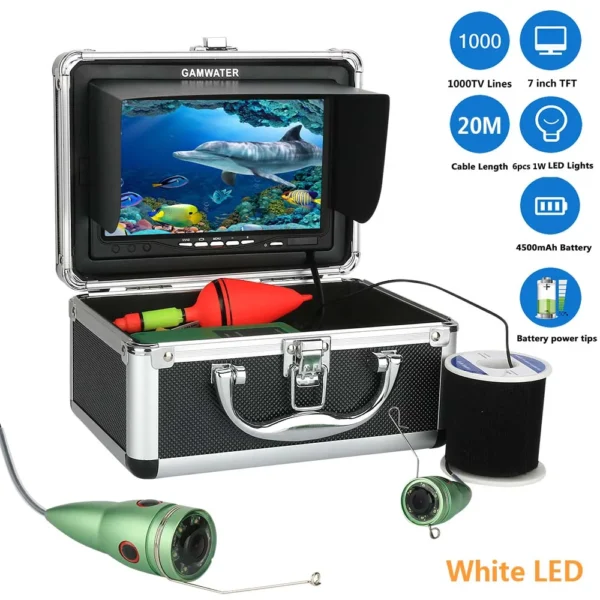


Product Gallery
-
 Ultimate 2-3 Person Inflatable Kayak for Fishing Fun Rated 5.00 out of 5
$1,552.46Original price was: $1,552.46.$1,082.01Current price is: $1,082.01. -
VEVOR 550 lb Heavy-Duty Folding Wagon & Bench for Adventurers
$156.12 – $253.79Price range: $156.12 through $253.79
-
Adventure-Ready Ultra Bright LED Headlamp with 3 Modes
$4.67 – $25.16Price range: $4.67 through $25.16













 Camping Gear
 Camping Chair
 Camping Table
 Sleeping Bags
 Camping Bed
 Sleeping Gear
 Storage Bags
 BBQ Portable
 Camping Tents
 Gazebos
 Outdoor Cooler
 Cookware
 Power
Power Camping Light
 Flashlight
 Portable Solar
 Power Banks
 Fish Finders
 Fishing Bags
 Fishing Jerseys
 Fishing Reels
 Fishing Chairs
 Fishing Bait Boat
 Fishing Floats
 Hard Baits
 Hiking Vests
 Outdoor Bags
 Water Filters
 Paracord
 Walkie Talkie
 Paddleboards
 Boats
Boats Sea Scooter
 Accessories
 Electric Bike
 Electric Scooter
Recent Comments