



So, you’re thinking about venturing into the wilderness for a camping trip? Awesome! Whether you’re a seasoned outdoor enthusiast or a complete newbie, there’s something incredibly special about disconnecting from the hustle and bustle of everyday life and immersing yourself in nature. But let’s be real – wilderness camping isn’t just pitching a tent and roasting marshmallows (though that’s definitely part of the fun!). It’s about respecting the environment, being prepared for the unexpected, and having the skills to thrive in the great outdoors. This guide is your go-to resource for becoming a confident and responsible wilderness camper.
What Exactly IS Wilderness Camping, Anyway?
Wilderness camping, at its heart, is about experiencing nature in its purest form. It’s venturing beyond established campgrounds, where amenities are limited (or nonexistent), and relying on your own skills and gear to navigate and survive. It’s not just camping; it’s truly connecting.
- Defined by Location: Typically in areas with minimal human impact, often requiring hiking or paddling to reach.
- Emphasis on Self-Reliance: You’re responsible for everything – shelter, food, water, and safety.
- Leave No Trace Principles are Paramount: Minimizing your impact on the environment is absolutely crucial.
Think of it as “real” camping. Less glamping, more grit. It’s you, the wilderness, and your wits. Honestly, that’s where the magic happens!
Why Should YOU Embrace the Wild? (Besides Escaping Annoying Neighbors)
Okay, escaping noisy neighbors is a valid reason, I won’t lie! But the benefits of wilderness camping extend far beyond simple peace and quiet. It’s about challenging yourself, reconnecting with nature, and discovering a sense of self-reliance that you might not even know you possess.
- Mental Clarity: Studies have shown that spending time in nature reduces stress and improves mental focus. Trade the concrete jungle for the real one and feel the difference.
- Physical Challenge: Hiking, setting up camp, gathering resources – it’s all a great workout!
- Appreciation for Nature: When you’re truly immersed in the wilderness, you develop a deeper respect for the environment and its delicate balance.
- Personal Growth: Overcoming challenges in the wilderness builds confidence and resilience.
You know what? It’s also a pretty amazing way to unplug from our technology-obsessed world. To truly be present. No notifications, no emails… just you, nature, and maybe a few overly friendly squirrels.
Gearing Up: What to Pack (and What to Leave Behind)
Proper gear is non-negotiable for a safe and enjoyable wilderness camping trip. It’s what separates a memorable adventure from a miserable (potentially dangerous) experience. Now, I’m not saying you need to buy the most expensive, top-of-the-line equipment, but investing in quality essentials is a smart move.
The Essentials: The Core Four (Plus a Few Extras)
- Shelter: A durable tent suitable for the expected weather conditions. Consider a lightweight backpacking tent if you’re hiking long distances.
- Sleep System: A sleeping bag appropriate for the temperature rating, a sleeping pad for insulation and comfort, and maybe even a pillow if you’re feeling fancy.
- Water: A reliable water filter or purification tablets, plus a water bottle or hydration reservoir. Staying hydrated is absolutely critical.
- Food: Lightweight, non-perishable food items that provide adequate nutrition. Think dehydrated meals, energy bars, nuts, and dried fruit.
- Navigation: A map and compass (and the knowledge of how to use them!), a GPS device can be a helpful backup.
- First-Aid Kit: A comprehensive kit with supplies for treating common injuries and illnesses.
- Fire Starter: Waterproof matches, a lighter, or a fire starter kit.
- Knife or Multi-Tool: Essential for a variety of tasks, from preparing food to repairing gear.
- Headlamp or Flashlight: Don’t get caught in the dark without one!
- Sun Protection: Sunscreen, sunglasses, and a hat.
- Insect Repellent: Trust me, you’ll thank me for this one.
Clothing: Layering is Key (and Ditch the Cotton!)
Clothing is another crucial aspect of your gear. The key is to dress in layers, allowing you to adjust to changing weather conditions and activity levels. And for the love of all that is holy, ditch the cotton! Cotton absorbs moisture and takes forever to dry, making you cold and miserable.
- Base Layer: Moisture-wicking materials like merino wool or synthetic fabrics.
- Mid Layer: Fleece or down for insulation.
- Outer Layer: A waterproof and windproof jacket and pants.
- Hiking Boots: Sturdy, comfortable boots that provide good ankle support. Break them in before your trip!
- Socks: Wool or synthetic socks to keep your feet dry and warm.
- Hat and Gloves: Essential for cold weather.
Camp Kitchen: Fueling Your Adventures (Without Burning Everything)
Cooking in the wilderness can be a fun and rewarding experience. A basic camp kitchen setup will allow you to prepare hot meals and drinks, boosting morale and providing much-needed energy.
- Camp Stove: A lightweight stove and fuel. Practice using it before your trip!
- Cookware: A pot and pan suitable for cooking over a stove.
- Utensils: A spoon, fork, and knife.
- Food Storage: Bear-resistant canister or bags for storing food and scented items. (We’ll talk about bear safety later!)
- Trash Bags: Pack it in, pack it out!
Leave No Trace: Respecting the Wilderness (It’s Not a Trash Can!)
This is HUGE. Wilderness camping is all about minimizing your impact on the environment. The Leave No Trace principles are a set of guidelines that help you do just that.
- Plan Ahead and Prepare: Know the regulations and potential hazards of the area you’ll be visiting.
- Travel and Camp on Durable Surfaces: Stick to established trails and campsites.
- Dispose of Waste Properly: Pack out everything you pack in (including food scraps and toilet paper!).
- Leave What You Find: Don’t take souvenirs or disturb natural objects.
- Minimize Campfire Impacts: Use a camp stove for cooking whenever possible. If you do have a campfire, keep it small and contained, and be sure to put it out completely before leaving.
- Respect Wildlife: Observe wildlife from a distance and never feed them.
- Be Considerate of Other Visitors: Minimize noise and respect the privacy of others.
Honestly, it’s about being a responsible guest. Leave the wilderness as pristine as you found it (or even better!).
Essential Skills: Mastering the Art of Wilderness Survival
Okay, let’s get real. Wilderness camping requires more than just fancy gear. You need to have the skills to navigate, build a shelter, find water, and stay safe in potentially challenging conditions. These skills are like your wilderness superpowers.
Navigation: Finding Your Way (Without Getting Hopelessly Lost)
Getting lost in the wilderness is no joke. Knowing how to navigate with a map and compass is a fundamental skill that could save your life.
- Map Reading: Understanding topographic maps, identifying landmarks, and interpreting contour lines.
- Compass Use: Taking bearings, following a course, and understanding declination.
- GPS Skills: Using a GPS device for navigation and marking waypoints (but don’t rely on it entirely!).
- Route Planning: Planning your route in advance and identifying potential hazards.
Consider taking a navigation course or practicing your skills in a safe environment before venturing into the wilderness. There are a ton of resources online these days, too. Learning this skill could be like the difference between a leisurely hike and a harrowing tale of survival.
Shelter Building: Creating a Safe Haven (From Wind, Rain, and Critters)
Knowing how to build a basic shelter can provide protection from the elements and boost morale in a survival situation. Even if you have a tent, knowing these skills can be handy in a pinch.
- Natural Shelters: Utilizing natural features like rock overhangs or fallen trees to create a shelter.
- Debris Shelters: Building a lean-to or a debris hut using branches, leaves, and other natural materials.
- Tarp Shelters: Setting up a tarp as a makeshift tent.
Practice building these shelters in your backyard or a local park. It’s a fun and educational activity that could come in handy someday.
Fire Starting: The Warmth and Comfort of Flame (Responsibly, of Course)
Fire can provide warmth, light, a means to cook food, and a psychological boost in the wilderness. But it’s also a potential hazard, so it’s crucial to know how to start and manage a fire safely.
- Gathering Tinder, Kindling, and Fuel: Identifying and collecting dry materials for building a fire.
- Fire-Starting Techniques: Using matches, a lighter, or a fire starter kit to ignite a fire.
- Fire Safety: Building a fire in a safe location, keeping it small and contained, and putting it out completely before leaving.
Always check fire restrictions before building a fire. And remember, a little fire goes a long way.
Water Procurement: Finding the Elixir of Life (and Making it Safe to Drink)
Water is essential for survival. Knowing how to find and purify water in the wilderness is absolutely critical.
- Finding Water Sources: Identifying streams, springs, and other potential water sources.
- Water Purification: Using a water filter, purification tablets, or boiling to kill harmful bacteria and viruses.
- Collecting Rainwater: Setting up a tarp or container to collect rainwater.
Never drink untreated water from a natural source. You don’t want to spend your camping trip dealing with Giardia or some other nasty parasite. And always have a backup plan in case you can’t find a reliable water source.
First Aid: Treating Injuries and Illnesses (So You Don’t Have to Cut Off an Arm)
A well-stocked first-aid kit and the knowledge of how to use it can make all the difference in a wilderness emergency. Knowing basic first-aid skills is a must.
- Wound Care: Cleaning and bandaging cuts, scrapes, and burns.
- Splinting Fractures: Stabilizing broken bones.
- Treating Sprains and Strains: Applying ice and compression.
- Managing Allergic Reactions: Administering epinephrine (if necessary).
- Recognizing and Treating Hypothermia and Heatstroke: Knowing the symptoms and proper treatment.
Consider taking a wilderness first-aid course. It’s an investment that could save a life (maybe even your own!). Keep in mind, if you are faced with a real medical emergency, contacting emergency services where possible is vital. NOLS is a credible source for learning more
Wildlife Encounters: Respecting Our Furry (and Scaly) Neighbors (Without Becoming Lunch)
One of the most exciting (and potentially intimidating) aspects of wilderness camping is the possibility of encountering wildlife. Knowing how to behave around animals is essential for your safety and the well-being of the animals.
Bear Safety: Avoiding a Bruin Encounter (Because Bears are Scary)
In bear country, proper food storage and bear awareness are absolutely crucial. Bears are attracted to food and scented items, and a bear encounter can be dangerous (or even fatal).
- Food Storage: Storing food in a bear-resistant canister or hanging it from a tree at least 10 feet off the ground and 4 feet from the trunk.
- Camp Hygiene: Keeping your campsite clean and free of food scraps.
- Making Noise: Making noise while hiking to alert bears to your presence.
- Carrying Bear Spray: Knowing how to use bear spray and keeping it readily accessible.
- What to Do in an Encounter: Standing your ground, making yourself look large, and using bear spray if necessary.
Remember, a fed bear is a dead bear. Never feed bears or leave food out for them.
Other Wildlife: Respecting the Rest of the Animal Kingdom (Even the Annoying Ones)
It’s not just bears you need to be aware of. Other animals, like deer, elk, coyotes, and snakes, can also pose a threat (or at least be a nuisance).
- Observe Wildlife from a Distance: Never approach or harass animals.
- Store Food Properly: Protect your food from rodents and other critters.
- Be Aware of Your Surroundings: Watch out for snakes and other potential hazards.
- Report any Aggressive Behavior: If you encounter an aggressive animal, report it to the local authorities.
Remember, you’re a visitor in their home. Treat them with respect.
Planning Your Trip: From Choosing a Location to Checking the Weather
The key is doing your homework. Let’s explore how to craft an unforgettable wilderness experience.
Choosing the Right Location: Matching the Wilderness to Your Skill Level (and Comfort Zone)
Selecting the perfect spot sets the stage for your entire adventure. Consider the terrain, climate, accessibility, and regulations of different wilderness areas. Start small and build up your skills gradually.
- Consider Your Experience Level: Start with shorter, easier trips and gradually increase the difficulty as you gain experience.
- Research the Area: Learn about the terrain, climate, wildlife, and potential hazards.
- Check Regulations and Permits: Make sure you have the necessary permits and are aware of any restrictions.
- Think About Accessibility: How far are you willing to hike or paddle to reach your campsite?
Permits and Regulations: Playing by the Rules (So You Don’t Get a Ticket)
Many wilderness areas require permits for camping and hiking. It’s not just bureaucracy; it’s about managing visitor impact and protecting the environment.
- Research Permit Requirements: Check with the managing agency (e.g., National Park Service, Forest Service) to determine if you need a permit.
- Obtain Permits in Advance: Permits are often limited, so it’s best to apply well in advance of your trip.
- Understand the Regulations: Be aware of any restrictions on campfires, camping locations, or other activities.
Weather Forecast: Preparing for Mother Nature’s Mood Swings (Because She’s a Drama Queen)
A sudden change in weather can quickly turn a pleasant camping trip into a survival situation. Always check the weather forecast before you go and be prepared for the worst.
- Check the Forecast Regularly: Monitor the weather forecast in the days leading up to your trip and again just before you leave.
- Be Prepared for All Types of Weather: Pack clothing and gear that will protect you from rain, wind, and cold temperatures.
- Know the Signs of Approaching Storms: Be aware of the signs of approaching thunderstorms, such as dark clouds, lightning, and sudden changes in wind.
Remember, mountain weather can be unpredictable. Be prepared to adjust your plans if necessary.
Safety First: Minimizing Risks and Staying Alive
Wilderness camping has some inherent risks, but with proper planning and preparation, you can minimize those risks and stay safe.
Communicating Your Plans: Letting Someone Know Where You’re Going (So They Can Send Help If Needed)
Always let someone know your plans before you head into the wilderness. Tell them where you’re going, when you expect to be back, and who to contact if you don’t return on time.
- Leave a Detailed Itinerary: Provide a detailed itinerary of your trip, including your planned route, campsites, and emergency contacts.
- Check in Regularly: If possible, check in with your contact person regularly to let them know you’re safe.
- Set a Return Deadline: Agree on a return deadline and tell your contact person to notify the authorities if you don’t return by that time.
Emergency Preparedness: Having a Plan B (and C, and D…)
In addition to a first-aid kit, it’s important to have a plan for dealing with emergencies. This includes knowing how to signal for help, navigate in the dark, and survive in extreme conditions.
- Carry a Signaling Device: A whistle, signal mirror, or satellite communicator can be used to signal for help.
- Know How to Navigate in the Dark: Practice using your map and compass at night.
- Be Prepared for Extreme Conditions: Know how to treat hypothermia, heatstroke, and other weather-related emergencies.
Physical Fitness: Being in Shape for the Challenge (So You Don’t Collapse Halfway Through)
Wilderness camping can be physically demanding. It’s important to be in good physical condition before you go.
- Train Before Your Trip: Go on practice hikes with a loaded backpack to build your strength and endurance.
- Pace Yourself: Don’t try to do too much too soon.
- Stay Hydrated and Fed: Drink plenty of water and eat nutritious foods to maintain your energy levels.
Embrace the Experience: Savoring the Beauty of the Wild (and Making Memories)
Wilderness camping isn’t just about survival; it’s about connecting with nature, challenging yourself, and creating memories that will last a lifetime.
Disconnect to Reconnect: Leaving the Technology Behind (and Focusing on the Present)
Resist the urge to constantly check your phone or social media. Embrace the opportunity to disconnect from technology and reconnect with nature.
- Turn Off Your Phone: Or at least put it in airplane mode.
- Leave the Gadgets at Home: You don’t need a TV, game console, or other electronic devices in the wilderness.
- Focus on the Present Moment: Pay attention to the sights, sounds, and smells of nature.
Mindful Exploration: Paying Attention to the Details (and Appreciating the Small Things)
Take the time to appreciate the small things – the way the sunlight filters through the trees, the sound of a babbling brook, the feeling of the earth beneath your feet.
- Slow Down: Don’t rush through your hike. Take your time and enjoy the scenery.
- Observe Wildlife: Watch animals in their natural habitat (from a safe distance, of course).
- Listen to the Sounds of Nature: Close your eyes and listen to the sounds of the forest.
Honestly, wilderness camping is a journey that enriches your life. Taking on the challenges helps you grow.
Journaling and Photography: Capturing the Memories (So You Can Relive the Adventure Later)
Keep a journal to record your thoughts and experiences. Take photos to capture the beauty of the wilderness. These memories will be precious in the years to come.
- Write Down Your Thoughts and Feelings: Describe your experiences in detail.
- Take Plenty of Photos: Capture the scenery, wildlife, and your campsite.
- Share Your Experiences: Share your photos and stories with friends and family.
I can promise that looking back on those memories will bring you joy and inspire you to plan your next adventure.
FAQ: Your Burning Questions Answered (Quickly and Simply)
DISCLAIMER
Wilderness camping involves inherent risks. This guide provides general information and advice, but it’s not a substitute for proper training and experience. Always assess your own abilities and the potential hazards of the area you’ll be visiting. Be sure to consult local authorities, park rangers and other wilderness experts before embarking on a trip. Your safety is your responsibility.
Categories
- Navigation & Safety (68)
- Shelter & Sleep (72)
Top rated products
-
 Effortless Power: 20 W Solar Charger for Blink Outdoor Cameras Rated 5.00 out of 5
$45.66Original price was: $45.66.$31.82Current price is: $31.82. -
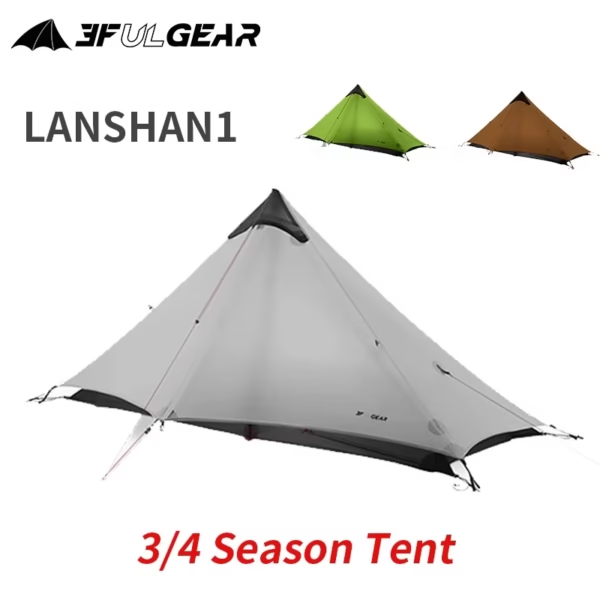
Ultralight 3 F UL GEAR Lan Shan 1 Tent for Solo Adventures Rated 5.00 out of 5
$359.23Original price was: $359.23.$250.38Current price is: $250.38. -
Ultimate 3 F UL GEAR 2.0 Stainless Steel Pellet Fuel Hopper Rated 5.00 out of 5
$555.43Original price was: $555.43.$387.12Current price is: $387.12.




Product Gallery
-
 Ultimate 2-3 Person Inflatable Kayak for Fishing Fun Rated 5.00 out of 5
$1,551.37Original price was: $1,551.37.$1,081.26Current price is: $1,081.26. -
VEVOR 550 lb Heavy-Duty Folding Wagon & Bench for Adventurers
$156.01 – $253.61Price range: $156.01 through $253.61
-
Adventure-Ready Ultra Bright LED Headlamp with 3 Modes
$4.67 – $25.14Price range: $4.67 through $25.14













 Camping Gear
 Camping Chair
 Camping Table
 Sleeping Bags
 Camping Bed
 Sleeping Gear
 Storage Bags
 BBQ Portable
 Camping Tents
 Gazebos
 Outdoor Cooler
 Cookware
 Power
Power Camping Light
 Flashlight
 Portable Solar
 Power Banks
 Fish Finders
 Fishing Bags
 Fishing Jerseys
 Fishing Reels
 Fishing Chairs
 Fishing Bait Boat
 Fishing Floats
 Hard Baits
 Hiking Vests
 Outdoor Bags
 Water Filters
 Paracord
 Walkie Talkie
 Paddleboards
 Boats
Boats Sea Scooter
 Accessories
 Electric Bike
 Electric Scooter
Recent Comments