

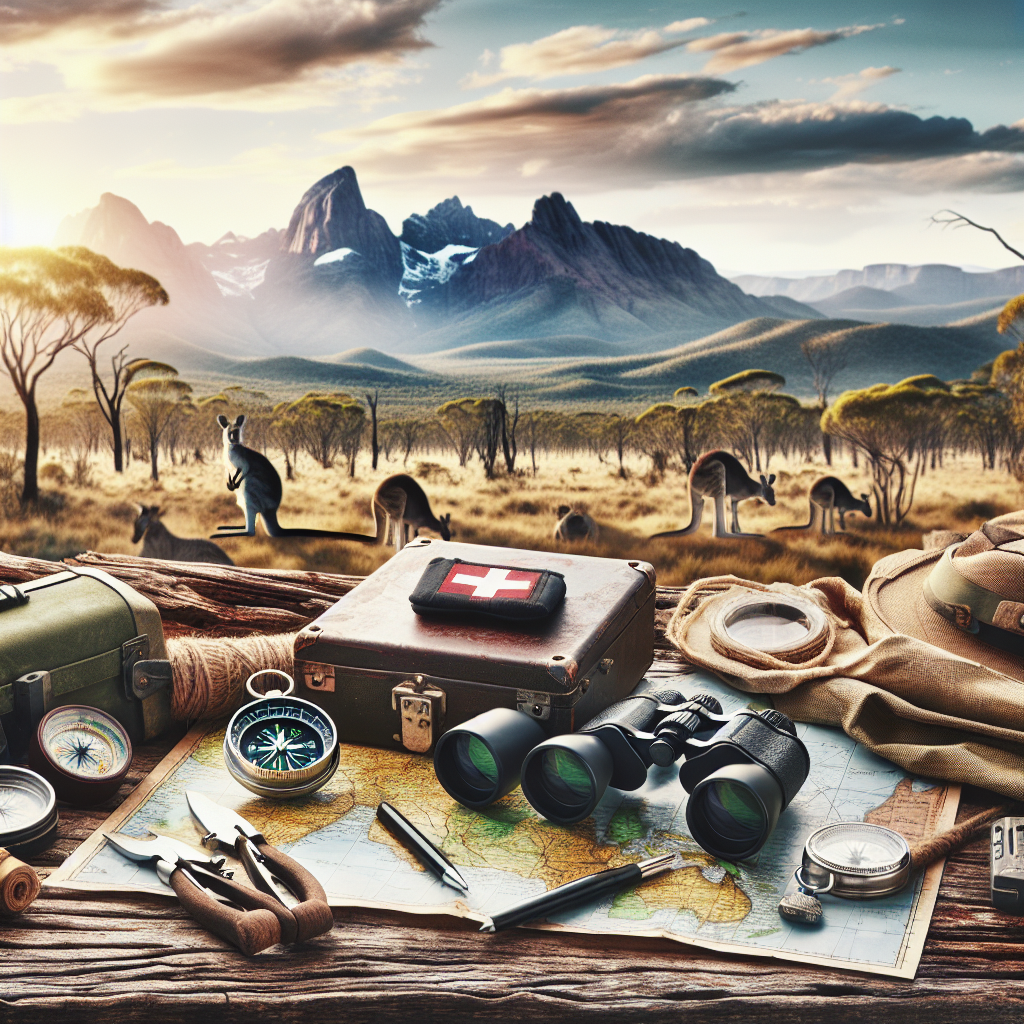

Ever felt that little pit in your stomach when you realize you’re not quite sure where you are in the woods? We’ve all been there. Camping is amazing, a chance to reconnect with nature, breathe fresh air, and escape the everyday grind. But let’s be real, it also comes with risks. Getting lost, facing unexpected weather, or dealing with injuries can quickly turn a dream trip into a nightmare. That’s why mastering navigation and safety is absolutely crucial, whether you’re a seasoned backcountry explorer or a weekend warrior. This guide is your roadmap to becoming a confident, prepared, and responsible camper. So, let’s dive in, shall we? (Figuratively, of course, unless you’re camping near a lake!)
Why Navigation Skills Are Your Best Friend in the Wild
Think of navigation skills as your superpower in the wilderness. They’re not just about getting from point A to point B; they’re about ensuring your safety, boosting your confidence, and allowing you to truly enjoy your surroundings without that nagging worry of getting lost. Honestly, nothing kills a peaceful hike faster than the creeping feeling of disorientation.
But here’s the thing: relying solely on technology isn’t enough. GPS devices can fail, batteries die, and cell service can be non-existent in remote areas. That’s where old-school skills like map and compass reading come in. These are timeless techniques that have guided explorers for centuries, and they’re just as relevant today.
You know what? Let’s quickly address something… Before we even think about compasses and maps, think situational awareness. What the weather doing? Sun position? Any landmarks in sight? These form your initial ‘Am I lost’ check. Make a habit of checking every 30 mins while hiking. It might seem like overkill, but a regular self-check can prevent a world of issues later on.
Decoding the Map: Your Visual Guide to the Land
Maps: they’re not just folded pieces of paper! They’re meticulously crafted representations of the terrain, packed with information that can be invaluable in the backcountry. Learning to read a map is like learning a new language, but trust me, it’s totally worth the effort.
First up, understanding map symbols. Those little icons aren’t just random drawings; they represent different features like trails, roads, rivers, buildings, and vegetation. A trail might be a dashed line, a river a blue squiggle, and a campsite a tiny tent symbol. Familiarizing yourself with these symbols is the first step in deciphering what the map is telling you. Consider it like understanding road signs when driving. Without that knowledge, you’d be in all sorts of trouble.
Next, let’s talk about scale. The scale of a map indicates the relationship between distances on the map and corresponding distances on the ground. For example, a scale of 1:24,000 means that one inch on the map represents 24,000 inches (or 2,000 feet) on the ground. Understanding the scale helps you estimate distances and plan your route accordingly. Here’s a neat trick: print out many maps. Some to cover your trip, sure. But maybe print out some random areas… National Parks, etc, and take 30 minutes to just understand it. See how you’d plan a hike. This allows you low-stakes practice!
Contour lines are another crucial element of maps. These lines connect points of equal elevation and provide information about the shape and steepness of the terrain. Closely spaced contour lines indicate steep slopes, while widely spaced lines indicate gentle slopes. By studying contour lines, you can anticipate the challenges and rewards of your chosen route. When planning your hike, look at contour lines to check the grade, and think about how it will affect things.
Also, don’t overlook the legend! The legend is like the key to the map, explaining what all the symbols and colors represent. It’s usually located in a corner of the map and contains essential information for interpreting the map correctly. Every map is slightly different, so always double-check the legend.
The Compass: Your Directional North Star
The compass, a trusty tool that points you towards magnetic north, is your best friend for navigating when you’re off the grid. But a compass is just a piece of plastic and metal without the knowledge to use it.
Understanding the parts of a compass is essential. The baseplate is the clear plastic platform, the magnetic needle points to magnetic north, the rotating bezel (or azimuth ring) is marked with degrees, and the direction of travel arrow indicates the direction you’re headed. Honestly, once you get the hang of it, it’s surprisingly intuitive.
Taking a bearing involves using the compass to determine the direction to a specific object or landmark. Here’s the basic process: hold the compass level, point the direction of travel arrow towards the object, rotate the bezel until the north end of the magnetic needle aligns with the orienting arrow (also known as “boxing the needle”), and read the bearing from the bezel at the point where the direction of travel arrow intersects it. This bearing represents the angle, in degrees, between magnetic north and the object. Pro-tip: practice this in your backyard before hitting the trail so you won’t be stuck when you need it most.
Now let’s talk about declination. Magnetic north isn’t the same as true north (geographic north), and the difference between the two is called declination. Declination varies depending on your location and can change over time. Most topographical maps will list the declination for the area. To use a compass accurately, you need to adjust for declination. Some compasses have an adjustable declination, while others require you to do the math manually. Here’s the thing; I find it better to teach my kids true and magnetic North as independent ideas. This reduces confusion when they are learning
Map and Compass Collaboration: Perfect Harmony
Using a map and compass together is where the magic happens. This dynamic duo allows you to pinpoint your location, plan your route, and stay on course even when trails are unclear or non-existent. And really, isn’t that what we all want? To feel confident and in control, no matter what the wilderness throws our way?
Orienting the map means aligning it with the terrain so that features on the map correspond to features on the ground. To orient the map, use your compass to find magnetic north, then rotate the map until north on the map points in the same direction as magnetic north. Once the map is oriented, you can easily identify landmarks and plan your route. You kinda feel like a badass when this clicks, right?
Triangulation is a technique used to determine your location by taking bearings to two or more known landmarks. To triangulate, identify two or more landmarks on the map and on the ground, take bearings to each landmark, and draw lines on the map along those bearings. The point where the lines intersect is your approximate location. This is super helpful if you are, as they say “properly lost”. The more reference points, the better!
Back bearings can be used to confirm your location or to backtrack along your route. To take a back bearing, simply take a bearing to a known landmark and then add 180 degrees to that bearing. The resulting bearing is the direction you need to travel to return to your starting point. I like to think of this as “leaving a trail of breadcrumbs” if I’m not on a hard trail. You get the same effect!
GPS Devices: Friend or Foe?
GPS devices can be incredibly useful for navigation, offering real-time location tracking, pre-loaded maps, and route planning capabilities. However, relying solely on GPS can be risky. Batteries die, devices malfunction, and signal can be unreliable in dense forests or steep canyons. GPS should be viewed as a supplement to traditional navigation skills, not a replacement. Honestly, think of it as a helpful buddy, but not one you can *always* count on.
Selecting the right GPS device depends on your needs and budget. Some devices are simple and user-friendly, while others offer advanced features like topographic maps, altimeters, and barometers. Consider the battery life, screen size, and durability of the device before making a purchase. I recommend reading reviews from other campers and hikers to get a sense of the pros and cons of different models. Also, consider bringing a battery pack!
Before heading out on your trip, familiarize yourself with your GPS device and practice using its features. Learn how to download maps, create waypoints, and navigate along a route. It’s also a good idea to carry a paper map and compass as a backup, just in case your GPS fails. Redundancy is key.
I’ve been hearing a lot—honestly, *a lot*—of positive talk about smartphones these days. So many campers use their smartphones now for GPS navigation. It’s great! But please remember about battery life, and signal. I also suggest downloading local maps to your phone ahead of time. If you get stuck, you might be sorry.
Trail Marking Systems: Following the Clues
Trail marking systems are used to guide hikers along established trails. These can vary depending on the location and managing agency, but they typically involve blazes (painted marks on trees), cairns (stacks of rocks), or signs. Learning to recognize and follow these markings is essential for staying on the trail and avoiding getting lost.
Blazes are commonly used in forested areas and consist of painted marks on trees, usually in a bright color like white or orange. These marks indicate the direction of the trail. Double blazes usually indicate a turn or intersection. Keep an eye out for these blazes and follow them carefully. And it should be so obvious, but don’t deface or damage them.
Cairns are used in rocky or alpine areas where trees are scarce. These are stacks of rocks that mark the route. Cairns can be difficult to spot in certain lighting conditions, so pay close attention to your surroundings. Also, resist the urge to build your own cairns unless you’re maintaining the trail and know what you’re doing. Building unnecessary cairns can confuse other hikers.
Signs are used at trailheads, intersections, and other important locations to provide information about the trail, including its name, difficulty, and distance. Pay attention to these signs and use them to confirm that you’re on the right track. And honestly, be respectful of the signage; it’s there to help you.
Essential Gear for Navigation: What to Pack
Having the right gear can make all the difference when it comes to navigation. In addition to a map, compass, and GPS device, consider packing the following items:
- Headlamp or flashlight: Essential for navigating in the dark.
- Extra batteries: For your headlamp, GPS device, and other electronics.
- Whistle: For signaling for help in an emergency.
- Mirror: For reflecting sunlight to attract attention.
- Waterproof bag: To protect your map and compass from the elements.
- Multi-tool: A versatile tool for various tasks, including repairing gear.
Also, make sure you dress appropriately for the weather conditions. Wear layers of clothing that you can easily add or remove as needed. Bring rain gear to stay dry in wet weather, and wear sturdy hiking boots to protect your feet and ankles. Honestly, the right gear can make or break your trip.
Staying Safe: Emergency Preparedness
Even with the best navigation skills, accidents can happen. Being prepared for emergencies is crucial for ensuring your safety and the safety of others. I hate to be a downer, but it’s better to be prepared for the worst than caught off guard.
First aid skills are essential for treating injuries and illnesses in the backcountry. Consider taking a wilderness first aid course to learn how to handle common medical emergencies, such as cuts, sprains, fractures, and allergic reactions. Carry a well-stocked first aid kit with you on every trip, and know how to use the items in it. The Red Cross and many outdoor organizations offer excellent courses. And you know what? It’s helpful even *outside* of camping!
Signaling for help is crucial if you become lost or injured. Carry a whistle and a mirror for signaling, and know how to use them effectively. A whistle blast of three short bursts is a universal distress signal. Use the mirror to reflect sunlight towards potential rescuers. If you have cell service, call 911 or your local emergency number, but don’t rely on it. Cell service can be unreliable in the backcountry. Look into services like Garmin inReach as well. These satellite communication devices could save your life.
Building a shelter can protect you from the elements and help you stay warm and dry. Learn how to build a basic shelter using natural materials like branches, leaves, and snow. A simple lean-to or debris hut can provide crucial protection from wind, rain, and cold. Practice doing it in your backyard so you know how before it matters.
Learn how to start a fire safely and responsibly. Fire can provide warmth, light, and a means of cooking food. Carry waterproof matches or a lighter, and know how to gather dry tinder and kindling. Be aware of fire restrictions in the area and follow all regulations. Nothing ruins a camping trip (or is more dangerous!) than starting an unintentional forest fire.
Properly managing food and water can prevent illness and dehydration. Carry enough food and water for your trip, and know how to purify water from natural sources. Boiling water is the most effective way to kill harmful bacteria and viruses. You can also use a water filter or purification tablets. Store food in airtight containers to prevent attracting animals.
Finally, let someone know your plans before you head out on your trip. Tell them where you’re going, when you expect to return, and who to contact if you don’t check in. This information can be crucial for search and rescue efforts if you become lost or injured.
Camp Security: Protecting Your Home Away From Home
Camp security is often overlooked, but it’s important for protecting your belongings and ensuring your safety. Taking a few simple precautions can help deter theft and prevent encounters with wildlife.
Choosing a safe campsite is the first step in ensuring camp security. Look for a site that is away from obvious animal trails, has good visibility, and is sheltered from the wind. Avoid camping near water sources, as these areas tend to attract animals. Arriving early at the campsite is always a fantastic bit of advice. That way you have time to look around, get a feel, and find the best place to be.
Storing food properly is essential for preventing encounters with wildlife. Store food in airtight containers and hang it from a tree, at least 10 feet off the ground and 4 feet from the trunk. Alternatively, use a bear-resistant canister. Never leave food unattended in your tent or campsite. Bears and other animals have an excellent sense of smell and will be attracted to any food odors. And honestly, nobody wants a bear rummaging through their tent in the middle of the night.
Locking up your valuables can help deter theft. If you’re leaving your campsite unattended, lock up your valuables in your vehicle or a bear-resistant canister. Consider using a cable lock to secure larger items, such as bicycles or kayaks. Also, be discreet about your belongings. Don’t leave expensive items out in plain sight. You know what? It’s just a good rule of thumb in life!
Being aware of your surroundings is crucial for preventing encounters with wildlife. Pay attention to animal tracks, scat, and other signs of wildlife activity. If you encounter an animal, remain calm and avoid making sudden movements. Give the animal plenty of space and never approach it. If you’re camping in bear country, carry bear spray and know how to use it. Hopefully, you’ll never need it, but it’s better to be prepared.
Leave No Trace: Respecting the Environment
Leave No Trace principles are a set of guidelines for minimizing your impact on the environment while camping and hiking. Following these principles helps protect natural resources and preserve the wilderness for future generations. We’re all visitors in nature; let’s treat it with respect.
Plan ahead and prepare by researching the area you’ll be visiting, packing appropriate gear, and knowing the regulations. Travel and camp on durable surfaces, such as established trails, rock, or dry grass. Minimize campfire impacts by using an existing fire ring or a portable stove. Pack out everything you pack in, including food scraps, trash, and human waste. Dispose of waste properly by using toilet facilities or digging a cat hole at least 200 feet from water sources, trails, and campsites. Leave what you find by not disturbing plants, rocks, or artifacts. Minimize campfire impacts by using established fire rings or portable stoves, keeping fires small, and burning all wood to ash. Respect wildlife by observing animals from a distance and never feeding them. Be considerate of other visitors by keeping noise levels down and respecting their privacy. Essentially, leave it better than you found it. A simple rule.
Frequently Asked Questions (FAQ)
<div class="faq-question" onclick="toggleAnswer('answer6')"><b>How much water should I bring when camping or hiking?</b></div><div class="faq-question" onclick="toggleAnswer('answer7')"><b>What are the Leave No Trace principles?</b></div>Alright, that’s a wrap! Mastering camping navigation and safety might seem daunting, but honestly, it’s an investment in your own well-being and enjoyment of the great outdoors. Remember, preparation is key. So, practice your skills, pack your gear, and always be aware of your surroundings. Now get out there and explore, safely and confidently!
Want to learn more about specific navigation tools? Give these a look!
DISCLAIMER
While this guide provides valuable information on camping navigation and safety, it is not a substitute for professional training or experience. Always exercise caution and common sense when exploring the outdoors, and be aware of the potential hazards involved. The author and publisher are not responsible for any injuries, losses, or damages that may occur as a result of using this information.
Categories
- Navigation & Safety (68)
- Shelter & Sleep (72)
Top rated products
-
 Effortless Power: 20 W Solar Charger for Blink Outdoor Cameras Rated 5.00 out of 5
$45.69Original price was: $45.69.$31.84Current price is: $31.84. -
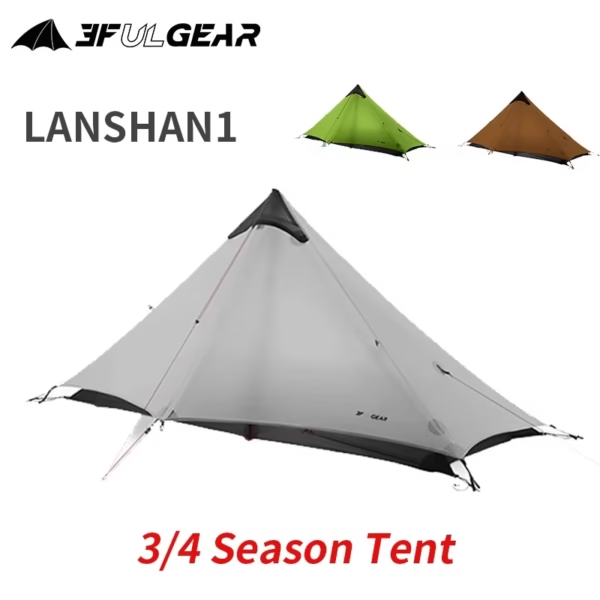
Ultralight 3 F UL GEAR Lan Shan 1 Tent for Solo Adventures Rated 5.00 out of 5
$359.49Original price was: $359.49.$250.55Current price is: $250.55. -
BLACKDOG Quick-Set Automatic Tent: Waterproof & UV-Resistant Adventure Shelter Rated 5.00 out of 5
$355.99Original price was: $355.99.$248.11Current price is: $248.11.



Product Gallery
-
 Ultimate 2-3 Person Inflatable Kayak for Fishing Fun Rated 5.00 out of 5
$1,552.46Original price was: $1,552.46.$1,082.01Current price is: $1,082.01. -
VEVOR 550 lb Heavy-Duty Folding Wagon & Bench for Adventurers
$156.12 – $253.79Price range: $156.12 through $253.79
-
Adventure-Ready Ultra Bright LED Headlamp with 3 Modes
$4.67 – $25.16Price range: $4.67 through $25.16









 Camping Gear
 Camping Chair
 Camping Table
 Sleeping Bags
 Camping Bed
 Sleeping Gear
 Storage Bags
 BBQ Portable
 Camping Tents
 Gazebos
 Outdoor Cooler
 Cookware
 Power
Power Camping Light
 Flashlight
 Portable Solar
 Power Banks
 Fish Finders
 Fishing Bags
 Fishing Jerseys
 Fishing Reels
 Fishing Chairs
 Fishing Bait Boat
 Fishing Floats
 Hard Baits
 Hiking Vests
 Outdoor Bags
 Water Filters
 Paracord
 Walkie Talkie
 Paddleboards
 Boats
Boats Sea Scooter
 Accessories
 Electric Bike
 Electric Scooter
Recent Comments