

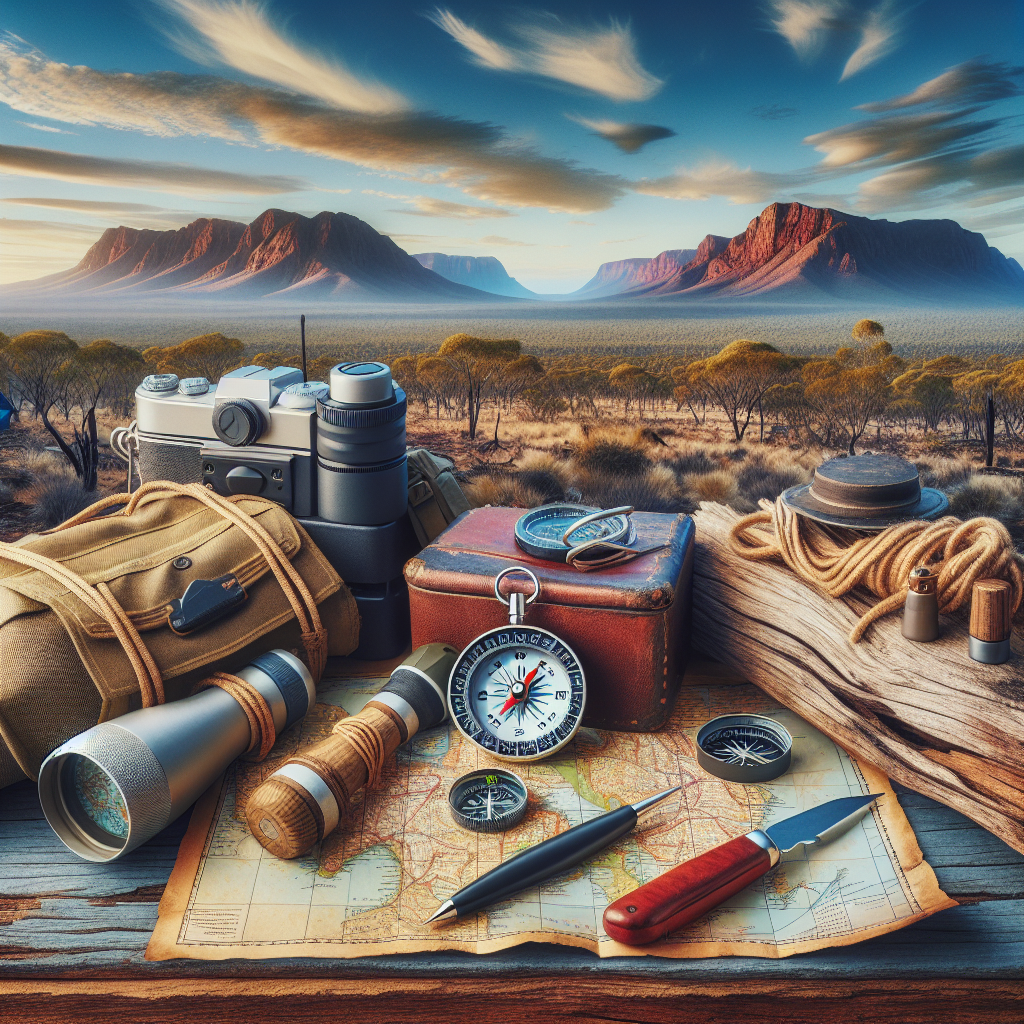

Embarking on your first camping trip can be both thrilling and a little daunting, especially when you consider venturing beyond well-marked trails. One of the most essential skills for any camper, whether novice or experienced, is knowing how to navigate with a map and compass. No batteries required. In our digital age, it’s easy to rely on GPS, but what happens when your phone dies or loses signal? That’s where the timeless art of map and compass navigation comes into play. This guide will walk you through the basics, ensuring you can confidently find your way in the great outdoors. Trust me, it’s easier than you think, and incredibly rewarding!
Why Bother with Map and Compass?
Because your phone can die, that’s why! Beyond preventing you from getting lost, and maybe even saving you from something far worse than merely being inconvenienced, understanding traditional navigation gives you a deeper connection to the land. Seriously, it’s about more than just not getting lost:
- Reliability: No batteries, no signal needed. Maps and compasses work in all conditions—rain, shine, or snow.
- Self-Reliance: Mastering these skills boosts your confidence and independence in the wilderness.
- Enhanced Awareness: You’ll learn to read the landscape, understanding contours, elevations, and natural features.
- Safety: In emergency situations, knowing how to navigate can be life-saving.
Understanding the Essential Gear
Let’s break down the key components you will need to start with. Don’t worry, you don’t need to be a gearhead to grasp this.
The Compass: Your Magnetic Guide
A compass isn’t just a needle pointing north; it’s a precision instrument. The compass is your reliable friend that always knows where North is. You know what? Let’s cover everything you need to know about it.
- Baseplate Compass: This is the most common type for hiking and camping. It includes a clear baseplate, a rotating bezel (or compass housing), a magnetic needle, a direction-of-travel arrow, and often a ruler.
- Magnetic Needle: The red (usually) end points to magnetic north. Note that “magnetic north” and “true north” aren’t exactly the same thing. We’ll talk about that in declination.
- Rotating Bezel: This is marked with degrees from 0 to 360. It’s used to set bearings.
- Baseplate: This clear plastic base is for placing on the map, allowing you to align the compass with specific features.
The Map: Your Terrain Blueprint
The map—it’s WAY more informative than that crumpled piece of paper in your glove compartment! Knowing how to interpret topographical details is critical to effective navigation.
- Topographic Maps: These maps show the shape and elevation of the terrain using contour lines. They also include details like rivers, forests, roads, and buildings.
- Map Scale: This indicates the ratio between a distance on the map and the corresponding distance on the ground (e.g., 1:24,000 means 1 inch on the map equals 24,000 inches on the ground). The smaller the second number (that ‘24000’ part), the more detail the map will show.
- Contour Lines: These lines connect points of equal elevation. The closer the lines, the steeper the terrain.
- Legend: Explains the symbols and colors used on the map, such as what the blue lines mean that snake all over the place.
Optional but Useful: A Clinometer
A clinometer is a tool used to measure the angle or slope of a terrain. While not strictly essential for basic map and compass navigation, it can be incredibly helpful, especially in mountainous areas or when assessing avalanche risk. It looks like another type of fancy compass and isn’t exactly needed for beginner’s navigation.
Getting Oriented: Basic Compass Use
Let’s learn to hold and use a compass so that it actually helps you! It takes some practice, but knowing how to orient yourself is the first step (literally and figuratively).
Holding the Compass Correctly
Believe it or not, there is a “correct” way to hold the compass! The accuracy of your bearings depends on holding your compass correctly.
- Level Surface: Hold the compass flat in your palm.
- Away from Metal: Keep it away from metal objects (like your phone, knife, or belt buckle) that can interfere with the magnetic needle.
- Steady Hand: Hold it steady and at chest level.
Understanding Compass Bearings
A bearing is the direction you want to travel, measured in degrees. Think of it as your personal heading.
- Finding a Bearing: Rotate the bezel until the desired degree aligns with the direction-of-travel arrow. For example, if you want to travel at a 90-degree angle (due east), align 90 on the bezel with the arrow.
- Following a Bearing: Hold the compass level and turn your body until the red end of the magnetic needle aligns with the orienting arrow (the arrow inside the compass housing, often marked with “N” for North). The direction-of-travel arrow now points in your intended direction.
Map Reading 101: Understanding Topographic Maps
Maps aren’t just pretty pictures; they’re packed with information. Let’s break down how to read them!
Identifying Key Features
Learn to spot the important stuff—rivers, peaks, valleys, etc.
- Contour Lines: As mentioned earlier, these lines indicate elevation. Close lines mean steep slopes, while widely spaced lines mean gentle slopes. Concentric circles usually indicate a hilltop or peak.
- Water Features: Rivers, lakes, and streams are usually shown in blue.
- Vegetation: Forests, meadows, and other vegetation types are often indicated by green shading or specific symbols.
- Man-Made Features: Roads, trails, buildings, and power lines are shown with various symbols. The map legend will explain what each symbol represents.
Using the Map Scale
Okay, so how far away *is* that lake, really? Scale will tell you.
- Measuring Distance: Use the map scale to measure distances between points. You can use the ruler on your compass baseplate or a piece of string.
- Estimating Travel Time: Combine distance with your expected pace to estimate how long it will take to reach your destination. Remember to account for elevation changes and terrain difficulty.
Putting It All Together: Map and Compass in Action
Alright, now for the fun part: actually using this stuff to get somewhere! Seriously, this is where the magic happens (and you avoid wandering aimlessly).
Orienting the Map
Lining up the map with the real world—this step is crucial.
- Aligning the Map: Place your compass on the map. Rotate the map until the north on the map aligns with the north on your compass. You can do this by aligning the north-south grid lines on the map with the magnetic needle.
- Visual Confirmation: Look around and compare the map to the landscape. Identify prominent features like peaks, rivers, or roads on both the map and in real life.
Taking a Bearing from the Map
Determining the direction from where you are to where you want to be—pretty important, wouldn’t you say?
- Locate Your Position: Identify your current location on the map. If you’re not sure, use landmarks to help pinpoint your spot.
- Determine Your Destination: Find your destination on the map.
- Align Compass: Place the edge of the compass baseplate so that it connects your current location and your destination on the map.
- Align North: Rotate the compass housing (bezel) until the orienting lines inside the housing are aligned with the north-south grid lines on the map and the red end of the compass needle points to north on the map.
- Read the Bearing: Read the bearing in degrees from the compass housing at the point where the direction-of-travel arrow intersects it.
Following Your Bearing in the Field
Okay, you’ve got a bearing. Now, let’s walk!
- Hold the Compass: Hold the compass level in front of you.
- Align the Needle: Turn your body until the red end of the magnetic needle aligns with the orienting arrow in the compass housing.
- Follow the Direction: The direction-of-travel arrow on the compass now points in the direction you need to walk. Choose a landmark in that direction and walk towards it. Repeat the process as needed, especially in varied terrain.
Dealing with Declination: True North vs. Magnetic North
Here’s the thing: the North Pole isn’t exactly where your compass thinks it is. Let me explain with *declination*! It is the angle difference between true north (the geographic North Pole) and magnetic north (where your compass needle points).
- Understanding Declination: Declination varies depending on your location and changes over time. You can find the declination for your area on your topographic map or online.
- Adjusting for Declination: To accurately navigate, you need to adjust your compass bearing for declination. If the declination is east, subtract it from your bearing. If it’s west, add it to your bearing. For example, if your bearing is 45 degrees and the declination is 10 degrees east, your adjusted bearing would be 35 degrees.
Advanced Techniques: Triangulation and Backtracking
Ready to level up your navigation game? These techniques can be lifesavers.
Triangulation: Pinpointing Your Location
When you’re not quite sure where you are, and, believe me, you will be at some point, triangulation can help.
- Identify Landmarks: Spot two or three visible landmarks on the ground and on your map.
- Take Bearings: Take a compass bearing to each landmark.
- Convert Bearings: Convert magnetic bearings to true bearings by adding or subtracting the declination angle.
- Draw Lines: On the map, find each landmark and use a protractor to draw a line along the back bearing (the opposite direction) for each landmark.
- Find the Intersection: The point where the lines intersect is your approximate location.
Backtracking: When You Need to Retrace Your Steps
Sometimes, the best way forward is backward. And knowing how to do it efficiently is key.
- Reverse Bearing: To backtrack, simply reverse your bearing by adding 180 degrees if the original bearing is less than 180 degrees, or subtracting 180 degrees if it’s more. For example, if your original bearing was 60 degrees, your backtrack bearing would be 240 degrees.
- Follow the Bearing: Follow the reverse bearing using your compass to retrace your steps.
Safety First: Navigating in Challenging Conditions
What happens when the weather turns south? Or when night falls? Let’s prepare you for the worst.
Navigating in Low Visibility
Fog, heavy rain, or snow can make navigation tough, but not impossible.
- Stay Oriented: Regularly check your compass and map to ensure you’re staying on course.
- Use Handrails: Use linear features like trails, streams, or ridges as “handrails” to guide you.
- Short Distances: Travel in short segments, frequently checking your bearing.
- Trust Your Compass: In whiteout conditions, your instincts can be misleading. Rely on your compass and map.
Navigating at Night
Night navigation adds a whole new level of complexity but is sometimes unavoidable.
- Plan Ahead: Study the map and plan your route in daylight.
- Use a Headlamp: A headlamp with a red light setting can help preserve your night vision.
- Mark Your Route: Use reflective tape or small flags to mark your route.
- Take Frequent Breaks: Fatigue can impair your judgment. Rest often.
Practice Makes Perfect: Honing Your Skills
Like any skill, map and compass navigation requires practice. Don’t wait until you’re lost in the woods to start learning!
Start Local
Begin in familiar areas before venturing into the backcountry.
- Parks and Trails: Practice navigating in local parks or on well-marked trails.
- Orienteering Courses: Participate in orienteering events, which are designed to test your navigation skills.
- Navigation Apps: While the goal is to rely on your map and compass, using navigation apps in conjunction with them can be a great learning tool.
Regular Practice
Make navigation a regular part of your outdoor activities.
- Day Hikes: Plan day hikes that require you to use your map and compass.
- Camping Trips: Incorporate navigation exercises into your camping trips.
- Weather Challenges: Practice in different weather conditions to gain experience navigating in challenging environments.
Resources for Further Learning
Want to delve deeper? Here are some great resources to help you on your journey.
- Books: “Mountaineering: The Freedom of the Hills” is an excellent resource for all things outdoors, including navigation.
- Online Courses: Websites like REI1 and NOLS2 offer online navigation courses.
- Local Clubs: Join a local hiking or orienteering club to learn from experienced navigators.
Frequently Asked Questions?
Got questions? You’re not alone. Let’s tackle some common concerns!
Disclaimer
Navigating with a map and compass involves inherent risks. This guide is intended for informational purposes only and does not replace professional training or experience. Always exercise caution, be aware of your surroundings, and make informed decisions based on current conditions. The author and publisher are not responsible for any accidents, injuries, or losses that may occur while using the information provided in this guide. It is imperative to consult with experienced guides or instructors and to practice in safe, controlled environments before attempting to navigate in challenging or remote areas.
Categories
- Navigation & Safety (68)
- Shelter & Sleep (72)
Top rated products
-
 UNIKOO UK224 Mini Walkie Talkies: Adventure Awaits, Stay Connected! Rated 5.00 out of 5
$49.74Original price was: $49.74.$34.67Current price is: $34.67. -
Nature Bell 185 cm Folding Cot: Comfort On-the-Go Adventure Bed Rated 5.00 out of 5$35.61 – $37.99Price range: $35.61 through $37.99
-
Tactical Mini Flashlight: 150 Lumen Power for Glock & Hellcat Rated 5.00 out of 5
$122.88Original price was: $122.88.$85.65Current price is: $85.65.


Product Gallery
-
 Ultimate 2-3 Person Inflatable Kayak for Fishing Fun Rated 5.00 out of 5
$1,534.01Original price was: $1,534.01.$1,069.16Current price is: $1,069.16. -
VEVOR 550 lb Heavy-Duty Folding Wagon & Bench for Adventurers
$154.27 – $250.78Price range: $154.27 through $250.78
-
Adventure-Ready Ultra Bright LED Headlamp with 3 Modes
$4.62 – $24.86Price range: $4.62 through $24.86








 Camping Gear
 Camping Chair
 Camping Table
 Sleeping Bags
 Camping Bed
 Sleeping Gear
 Storage Bags
 BBQ Portable
 Camping Tents
 Gazebos
 Outdoor Cooler
 Cookware
 Power
Power Camping Light
 Flashlight
 Portable Solar
 Power Banks
 Fish Finders
 Fishing Bags
 Fishing Jerseys
 Fishing Reels
 Fishing Chairs
 Fishing Bait Boat
 Fishing Floats
 Hard Baits
 Hiking Vests
 Outdoor Bags
 Water Filters
 Paracord
 Walkie Talkie
 Paddleboards
 Boats
Boats Sea Scooter
 Accessories
 Electric Bike
 Electric Scooter
Recent Comments