

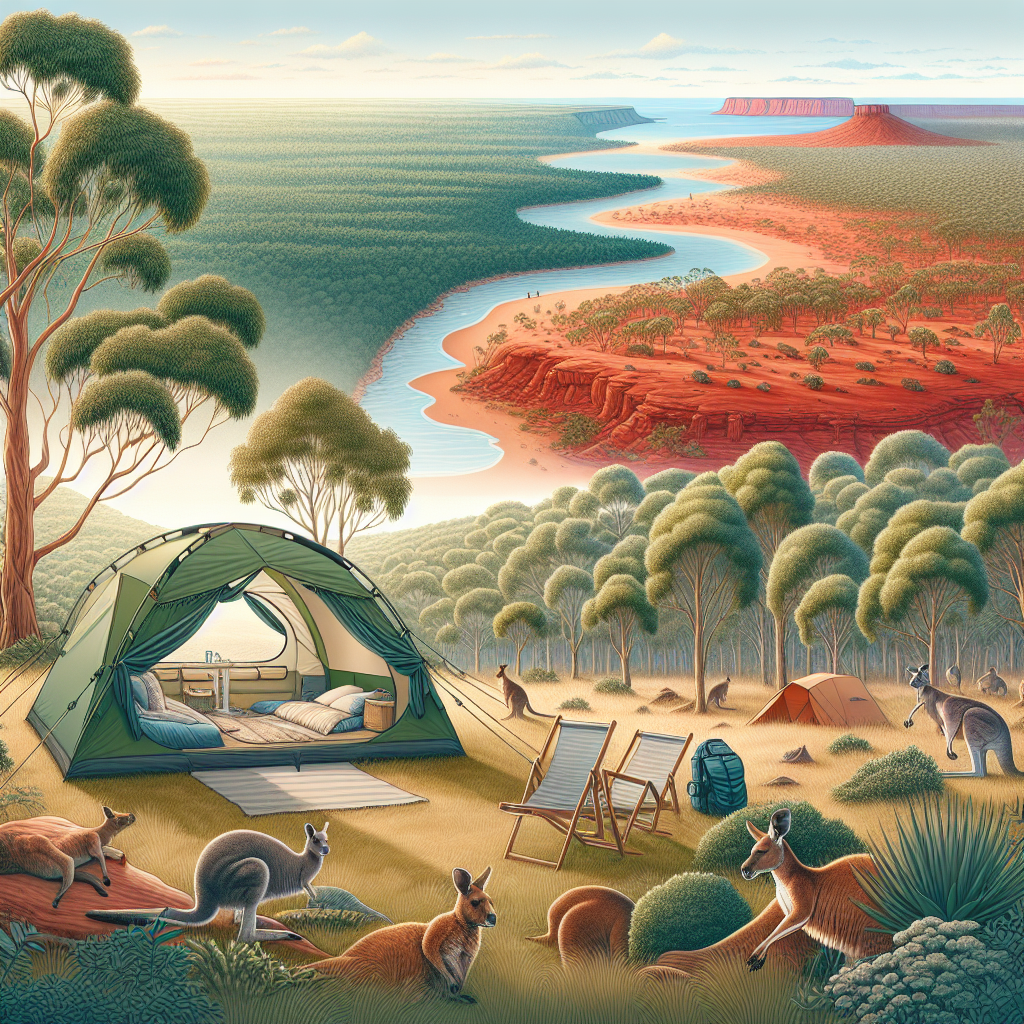

Planning a family camping trip should be exciting, not stressful, right? But honestly, figuring out the right tent can feel like a Herculean task. You’re bombarded with choices – sizes, shapes, features – and suddenly, your relaxing getaway seems like a logistical nightmare. But don’t worry! This guide is here to demystify the process, making choosing the perfect family tent easier than roasting marshmallows over a campfire (and just as satisfying!).
Why the Right Tent Matters
It all boils down to comfort and safety. A good tent isn’t just shelter; it’s your home away from home. It’s where you’ll sleep, relax during unexpected rain showers, and create lasting memories. A tent that’s too small? Claustrophobia city. Not waterproof? Hello, soggy sleeping bags and miserable campers. The right tent, however, provides a comfortable and secure basecamp for all your outdoor adventures. It’s about creating the kind of experience that makes everyone want to do it again.
Sizing It Up: How Much Space Do You Really Need?
This isn’t just about fitting everyone in. It’s about comfort and practicality. Those “sleeps X people” ratings on tent packaging? Take those with a grain of salt. A good rule of thumb is to add two to three people to that number for a comfortable family camping experience. For example, if you have a family of four, consider a 6-person or even an 8-person tent. You want room for sleeping bags, gear, and maybe a little breathing room, especially if you’re expecting rain and will be spending more time inside.
Types of Family Tents: Finding Your Perfect Match
Okay, let’s talk tent styles. There’s a whole world of shapes and designs out there, but here are some of the most common and family-friendly options:
- Cabin Tents: These tents have near-vertical walls, offering excellent headroom and a spacious feel. Think of them as mini-cabins, making it easier to stand up and move around. Great for families with taller members or those who want that extra living space. I mean, honestly, who wants to crawl around all the time?
- Dome Tents: Classic and versatile, dome tents are known for their stability in windy conditions. They’re typically lighter and easier to set up than cabin tents, making them a good choice for families who move their campsite frequently.
- Tunnel Tents: These offer a good balance of space and weather resistance. They usually have one or more large, arched “tunnels” that create ample sleeping and living areas. They can be a little trickier to set up than dome tents, requiring proper staking for stability.
- Multi-Room Tents: These are essentially tents with dividers, creating separate “rooms” for sleeping, changing, or storing gear. Great for families who want a little privacy or separation.
- Pop-Up Tents: Super convenient for quick setups, pop-up tents are great for casual camping or festivals. However, they’re often less durable and weather-resistant than other types of tents, and can be challenging to fold back down (trust me, it’s a skill!).
Think about how you camp. Do you set up shop in one place for days, or are you constantly on the move? That will greatly influence the type of tent that best fits your needs.
Material Matters: What Your Tent is Made Of
The fabric of your tent determines its durability, water resistance, and breathability. Here’s a quick rundown of common materials:
- Polyester: A popular choice for its affordability, UV resistance, and water resistance. Polyester tents are generally lighter than canvas tents.
- Nylon: Even lighter than polyester and often stronger, but it can be more expensive. Nylon tents are known for their excellent tear resistance.
- Canvas: The classic, heavy-duty option. Canvas tents are incredibly durable and breathable, but they’re also heavier and require more maintenance than synthetic tents.
- Polyethylene (PE): Typically used for tent floors, PE is waterproof and durable.
Pay attention to the denier (D) and thread count of the fabric. Higher denier and thread count generally indicate a more durable and water-resistant material. Also, look for a waterproof coating (like polyurethane or silicone) and taped seams for maximum protection from the elements.
And let’s talk about the floor for a second. A bathtub floor—where the floor fabric extends up the sides of the tent a few inches—is your best friend. It prevents water from seeping in during heavy rain.
Waterproofing: Staying Dry When the Skies Open Up
Ah, the dreaded rain. Nobody wants a soggy camping trip. Here’s the deal: “water-resistant” isn’t the same as “waterproof.” Look for tents with a high waterproof rating (measured in millimeters). A rating of 1500mm or higher is generally considered waterproof for most camping conditions. Features like taped seams, rainfly extensions, and bathtub floors are crucial for keeping water out.
Pro Tip: Even with a waterproof tent, consider using a footprint (a ground tarp) underneath your tent to protect the floor from abrasion and moisture. It’s like a little insurance policy for your tent!
Let me explain something else: re-waterproofing. Over time, the waterproof coating on your tent can wear down. You can restore it with a waterproofing spray or sealant, readily available at most outdoor retailers.
Ventilation: Keeping Cool and Reducing Condensation
Condensation can be a real problem inside a tent, especially in cool or humid weather. Good ventilation is key to reducing condensation and keeping the air fresh. Look for tents with multiple vents, windows, and breathable fabric panels. Mesh windows are great for airflow while keeping bugs out.
Some tents even have adjustable vents that allow you to control the amount of airflow. This is especially handy in variable weather conditions.
Honestly, waking up in a tent that feels like a sauna is nobody’s idea of a good time. Proper ventilation helps you avoid that scenario.
Poles Apart: Understanding Tent Pole Materials
Tent poles are the backbone of your shelter. The material they’re made of greatly affects the tent’s strength and stability. Here are the common types:
- Fiberglass: The most affordable option, but also the least durable. Fiberglass poles are prone to cracking and breaking, especially in strong winds.
- Aluminum: A lightweight and strong option. Aluminum poles are more durable than fiberglass and can withstand more abuse.
- Steel: The strongest and most durable option, but also the heaviest. Steel poles are typically used in larger, more permanent tents.
For family camping, aluminum poles are generally a good balance of strength, weight, and cost. If you anticipate camping in windy conditions frequently, consider investing in a tent with high-quality aluminum poles.
Easy Setup: Because Who Wants to Wrestle with a Tent?
Setting up a tent shouldn’t require an engineering degree. Look for tents with intuitive designs and clear instructions. Color-coded poles and clips can be a lifesaver.
Here’s a little secret about setting up: practice. Before your trip, set up the tent in your backyard or living room. This will help you familiarize yourself with the process and identify any potential problems before you’re out in the wilderness.
Honestly, after a long drive and a tiring hike, the last thing you want is to spend hours struggling with a complicated tent setup. Choose a tent that’s easy to pitch, and you’ll thank yourself later.
Extra Features: Bells and Whistles or Camping Essentials?
Tents these days come with a variety of bells and whistles. Some are genuinely useful; others are just marketing hype. Here are a few features to consider:
- Storage Pockets: Handy for keeping small items organized and off the floor.
- Gear Lofts: Mesh shelves that hang from the tent ceiling, providing extra storage space.
- Electrical Cord Access Port: Allows you to run an extension cord into the tent without leaving a gap for bugs or rain to enter.
- Lantern Hooks: A convenient way to hang a lantern inside the tent.
- Doormats: A small mat placed at the tent entrance to help keep dirt and debris out.
Think about what features are most important to your family’s camping style. Do you need lots of storage space? Do you want to be able to plug in your devices? Choose a tent with the features that will make your camping experience more comfortable and convenient.
You know what? Sometimes the simplest tents are the best. Don’t get bogged down in features you don’t really need.
Budgeting for Your Tent: How Much Should You Spend?
Tent prices can vary widely, from a hundred dollars to well over a thousand. How much you should spend depends on your budget, how often you camp, and the type of camping you do.
Here’s the thing: investing in a good quality tent is worth it if you plan to camp regularly. A well-made tent will last longer, perform better in bad weather, and generally provide a more comfortable camping experience. However, if you only camp occasionally, a more affordable tent may suffice.
Don’t forget to factor in the cost of accessories, such as a footprint, stakes, and a repair kit when budgeting for your tent.
Packing and Storage: Taking Care of Your Investment
How you pack and store your tent can significantly affect its lifespan. Always make sure your tent is completely dry before packing it away. Moisture can lead to mildew and damage the fabric.
Store your tent in a cool, dry place away from direct sunlight. Don’t store it in a stuff sack for extended periods; this can compress the fabric and reduce its waterproofing. Instead, store it loosely in a larger bag or container.
Regularly inspect your tent for damage, such as tears, holes, or worn-out seams. Repair any damage promptly to prevent it from getting worse.
Honestly, a little TLC can go a long way in extending the life of your tent.
Making Memories Under the Canvas: More Than Just Shelter
Choosing a family tent isn’t just about specs and features; it’s about creating a space where your family can connect with nature and each other. It’s about building memories that last a lifetime – from telling stories around a campfire to waking up to the sounds of birds chirping. The tent is the canvas, and your family’s adventure is the masterpiece being created.
So, take your time, do your research, and choose a tent that fits your family’s needs and style. And most importantly, get out there and enjoy the great outdoors! Camping isn’t about having the most expensive gear; it’s about experiencing the world and each other in a different light.
FAQ: Your Burning Tent Questions Answered
External Resources
DISCLAIMER
This guide provides general recommendations for choosing a family tent. It’s essential to check the weather forecast and be aware of any potential hazards in the camping area before your trip.
Camping involves inherent risks. Always prioritize safety and follow local regulations and guidelines.
Categories
- Navigation & Safety (68)
- Shelter & Sleep (72)
Top rated products
-
 Dune 7.6 Ultralight 2-Person Tent for All-Season Adventures Rated 5.00 out of 5$113.63 – $120.74Price range: $113.63 through $120.74
 -
Nature Bell 185 cm Folding Cot: Comfort On-the-Go Adventure Bed Rated 5.00 out of 5$36.04 – $38.44Price range: $36.04 through $38.44
-
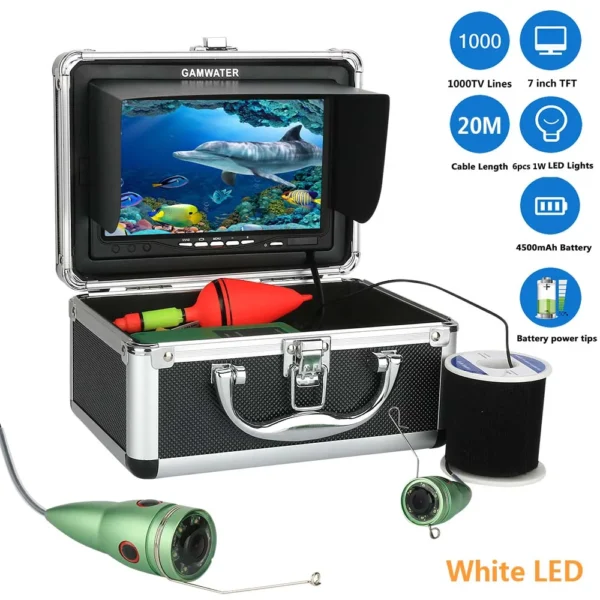
Revolutionary 7" HD Underwater Fishing Camera with LED Lights Rated 5.00 out of 5$164.55 – $208.98Price range: $164.55 through $208.98



Product Gallery
-
 Ultimate 2-3 Person Inflatable Kayak for Fishing Fun Rated 5.00 out of 5
$1,552.46Original price was: $1,552.46.$1,082.01Current price is: $1,082.01. -
VEVOR 550 lb Heavy-Duty Folding Wagon & Bench for Adventurers
$156.12 – $253.79Price range: $156.12 through $253.79
-
Adventure-Ready Ultra Bright LED Headlamp with 3 Modes
$4.67 – $25.16Price range: $4.67 through $25.16












 Camping Gear
 Camping Chair
 Camping Table
 Sleeping Bags
 Camping Bed
 Sleeping Gear
 Storage Bags
 BBQ Portable
 Camping Tents
 Gazebos
 Outdoor Cooler
 Cookware
 Power
Power Camping Light
 Flashlight
 Portable Solar
 Power Banks
 Fish Finders
 Fishing Bags
 Fishing Jerseys
 Fishing Reels
 Fishing Chairs
 Fishing Bait Boat
 Fishing Floats
 Hard Baits
 Hiking Vests
 Outdoor Bags
 Water Filters
 Paracord
 Walkie Talkie
 Paddleboards
 Boats
Boats Sea Scooter
 Accessories
 Electric Bike
 Electric Scooter
Recent Comments