

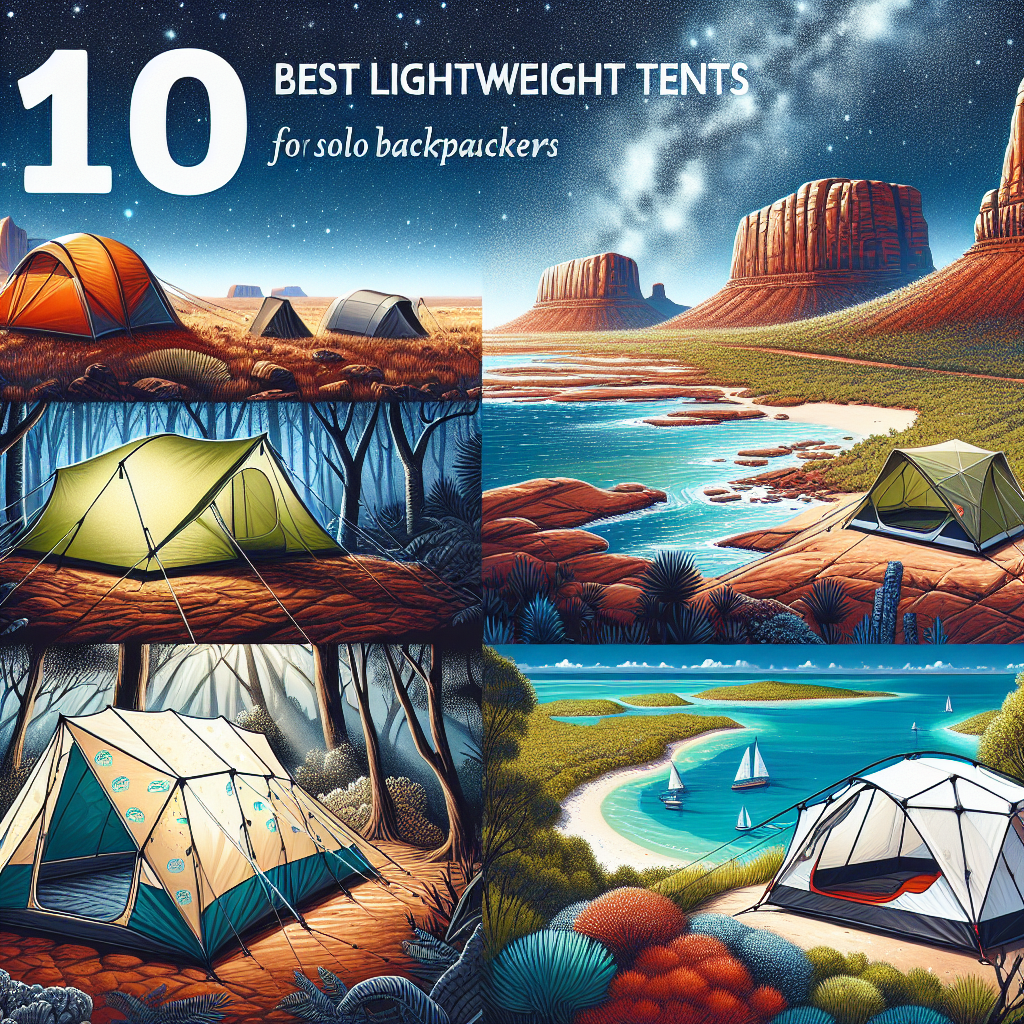

Going solo into the wild? Smart move! But let’s be real, lugging around a bulky tent can turn your epic adventure into a slog. You want to shed those extra pounds, pack smarter, and still have a reliable shelter when the stars—or the rain—come out. The good news? There are tons of fantastic lightweight tents designed just for solo backpackers.
What Makes a Tent “Lightweight,” Anyway?
Okay, first things first: what exactly are we talking about when we say “lightweight?” It’s not like there’s a hard-and-fast rule, but generally, a lightweight solo backpacking tent should weigh under 3 pounds. Super ultralight? We’re talking closer to 2 pounds or even less! But remember, lighter isn’t always better. You’ve got to balance weight with durability, weather protection, and features. Think of it like Goldilocks choosing her porridge.
Why Bother with Lightweight? Here’s the Real Deal
Why should you care about shedding those extra ounces? Well, carrying less weight conserves energy. Imagine trekking uphill all day with a brick strapped to your back. Not fun, right? A lighter pack lets you hike farther, explore more, and frankly, just enjoy the experience a whole lot more. Plus, when was the last time you heard someone say “I wish my pack weighed more”? Exactly.
Our Top 10 Lightweight Tents for Solo Adventures
Alright, let’s get down to brass tacks. After countless nights sleeping under the stars (and sometimes, in torrential downpours), here are our top picks for the best lightweight tents for solo backpackers. These aren’t just tents; they’re your portable sanctuaries in the wilderness.
1. Big Agnes Copper Spur HV UL1
The Big Agnes Copper Spur HV UL1 is a classic for a reason. It strikes a fantastic balance between weight, space, and comfort. It’s roomy enough to actually sit up inside (a huge plus for those rainy mornings) and weighs in at just over two pounds. The high volume design gives you that extra headroom that makes a big difference when you’re spending multiple nights in the wilderness.
2. NEMO Hornet Elite OSMO 1P
If you’re obsessed with cutting ounces, the NEMO Hornet Elite OSMO 1P is a winner. This tent is incredibly light, often tipping the scales at under two pounds. It’s a minimalist design, so don’t expect a ton of extra space, but for dedicated ultralighters, it’s hard to beat. Plus, the OSMO fabric is super water resistant.
3. MSR Hubba Hubba NX Solo
Don’t let the name fool you; the MSR Hubba Hubba NX Solo is designed for one person. MSR is known for its quality, and this tent is no exception. It’s a bit heavier than some of the other options on this list, but it’s incredibly durable and weather-resistant. If you’re planning on tackling some gnarly weather, the Hubba Hubba is more than up to the task.
4. Zpacks Duplex Flex Solo
Alright, let’s talk about something a little different. The Zpacks Duplex Flex Solo is a trekking pole tent, meaning you pitch it using your trekking poles instead of traditional tent poles. This shaves off a ton of weight. Zpacks is known for their Dyneema Composite Fabric (DCF), which is incredibly strong and waterproof, but also pricey. This is an investment, but one that serious ultralighters swear by. It’s like the Ferrari of tents.
5. Durston Gear X-Mid 1P
The Durston Gear X-Mid 1P has gained a cult following for its combination of value, space, and lightweight design. It also uses a trekking pole setup, which minimizes weight. The design is surprisingly spacious, and the materials are well-chosen to balance durability and weight.
6. Six Moon Designs Lunar Solo
Another trekking pole tent option, the Six Moon Designs Lunar Solo is known for its generous interior space and excellent ventilation. It’s a single-wall tent, which means it can be a bit more prone to condensation, but the ventilation is designed to mitigate that. It’s a great option for those who want a lot of room without a lot of weight.
7. REI Co-op Quarter Dome SL 1
REI’s Co-op Quarter Dome SL 1 is a solid all-around choice that balances weight, cost, and features. It’s relatively easy to set up and offers a decent amount of space for the weight. Plus, you can usually find it on sale, which is always a bonus. Good quality, good price – hard to beat.
8. Sea to Summit Telos TR1
Sea to Summit is known for their innovative designs, and the Telos TR1 is no exception. It has a unique tension bar design that creates more interior space and headroom than many other solo tents. Is it worth the extra investment? Well, your neck will thank you, that’s for sure.
9. ALPS Mountaineering Lynx 1-Person Tent
If you’re on a tight budget, the ALPS Mountaineering Lynx 1-Person Tent is a great option. It’s not the lightest tent on this list, but it’s incredibly affordable and still offers decent weather protection. It’s a solid choice for beginners or those who don’t want to break the bank.
10. Naturehike Cloud-Up 1
The Naturehike Cloud-Up 1 is another budget-friendly option that’s surprisingly lightweight. It’s a popular choice for backpackers who are just starting out or who need a backup tent. The quality isn’t the absolute best, but for the price, it’s a steal. You get more than what you pay for!
So, How Do You Choose the Right Tent for YOU?
Okay, here’s where things get personal. The “best” tent is really the one that best suits your needs and your style of backpacking. Think about these things:
- Your Budget: How much are you willing to spend? Prices can vary wildly, so set a realistic budget before you start shopping.
- The Climate You’ll Be Camping In: Are you heading to the desert, the mountains, or the rainforest? Choose a tent that can handle the conditions you expect to encounter.
- Your Personal Priorities: Is weight your top concern, or do you prioritize space and comfort? There’s no right or wrong answer, but knowing your priorities will help you narrow down your choices.
- Durability vs. Weight: Lighter materials may be less durable. Consider the trade-offs and choose what aligns with your long-term needs.
Let’s Talk About Features: What REALLY Matters?
Beyond weight and price, there are a few key features to consider.
- Weather Resistance: Look for a tent with a waterproof rainfly and a bathtub floor (where the floor material extends up the sides of the tent a few inches). A high hydrostatic head rating – this is a measure of how much water pressure a fabric can withstand – is a good sign. But also ensure good ventilation to reduce condensation.
- Ease of Setup: Trust me, you don’t want to be wrestling with your tent in the dark after a long day of hiking. Look for a tent that’s easy to pitch, even when you’re tired and grumpy.
- Interior Space: Solo tents can feel a bit cramped. Consider how much space you need to sleep comfortably and store your gear. The headroom is also something to consider – you dont want to be stuck lying down all day, right?
- Ventilation: Good airflow is crucial to prevent condensation buildup inside the tent. Look for vents and mesh panels to keep things breathable.
- Vestibules: These are covered areas outside the main tent body where you can store your boots and pack. They’re super handy for keeping your gear dry and out of the way.
Taking Care of Your Tent: Make it Last!
So, you’ve found your perfect tent? Awesome! Now, let’s talk about how to keep it in tip-top shape so it lasts for years to come.
- Always use a footprint: This is a ground cloth that goes under your tent to protect the floor from abrasion and punctures. You can get one specifically designed for your tent, or just use a piece of Tyvek or plastic sheeting.
- Keep it clean: After each trip, wipe down your tent with a damp cloth to remove dirt and grime. Avoid using harsh chemicals or detergents, as these can damage the tent’s waterproof coating.
- Store it properly: Make sure your tent is completely dry before you pack it away. Store it loosely in a cool, dry place. Don’t store it in a stuff sack for long periods of time, as this can cause the fabric to break down.
- Repair tears and punctures: Small tears and punctures can quickly turn into big problems. Repair them as soon as you notice them with a tent repair kit.
- Re-waterproof as needed: Over time, the waterproof coating on your tent will wear off. You can re-waterproof it with a special tent sealant.
Why Solo Backpacking? A Few Words of Encouragement
Look, I get it. The idea of heading into the wilderness alone can be intimidating. But trust me, it’s also incredibly rewarding. There’s something special about testing your limits, relying on your own skills, and experiencing the solitude of nature. It’s a chance to disconnect from the world and reconnect with yourself. Embrace the challenge, be prepared, and get ready for an adventure of a lifetime. You got this!
Packing Tips to Reduce Weight
Reducing your tent’s weight is a great start, but you can cut even more weight from your overall pack! Here’s how:
- Invest in lightweight gear: From sleeping bags to cooksets, there’s a lightweight version of just about everything.
- Use a lighter backpack: Choose a backpack that’s designed for backpacking and that fits you properly.
- Only pack what you need: Be ruthless about cutting unnecessary items from your pack. Ask yourself “do I *really* need this?”.
- Repackage food: Remove bulky packaging from food items and repackage them in lightweight zip-top bags.
- Wear your heaviest items: Wear your hiking boots, rain jacket, and other heavy items instead of packing them.
Safety First!
Before you head out on your solo adventure, take these precautions:
- Tell someone where you’re going: Let a friend or family member know your itinerary and when you expect to be back.
- Check the weather forecast: Be aware of the weather conditions you’re likely to encounter.
- Bring a map and compass (and know how to use them!): Don’t rely solely on your phone for navigation.
- Carry a first-aid kit: Make sure your first-aid kit is well-stocked and that you know how to use everything in it.
- Carry a communication device: A satellite messenger or personal locator beacon (PLB) can be a lifesaver in an emergency.
- Learn basic survival skills: Practicing essential survival skills can be the difference between a manageable situation and a dire one.
A Quick Note on Leave No Trace
While you’re out there enjoying the wilderness, it’s paramount that you do your part to protect it. That means following the principles of Leave No Trace. Pack out everything you pack in. Stay on established trails. Minimize campfire impacts. Respect wildlife. Let’s keep these wild places pristine for generations to come.
Let’s Wrap This Up!
So there you have it: a comprehensive guide to choosing the best lightweight tent for your solo backpacking adventures. Remember, the perfect tent is the one that meets your specific needs and helps you get out there and experience the beauty of the natural world. Happy trails!
FAQ: Your Burning Questions Answered
DISCLAIMER
Do not rely solely on the information provided in this article for your safety and well-being. Backpacking and camping involve inherent risks, and it is your responsibility to be adequately prepared and informed. Always check weather conditions, understand your equipment, and be aware of potential hazards in the area you plan to visit. This article contains opinions and suggestions but should not replace professional guidance or training.
Categories
- Navigation & Safety (68)
- Shelter & Sleep (72)
Top rated products
-
 Effortless Power: 20 W Solar Charger for Blink Outdoor Cameras Rated 5.00 out of 5
$45.66Original price was: $45.66.$31.82Current price is: $31.82. -
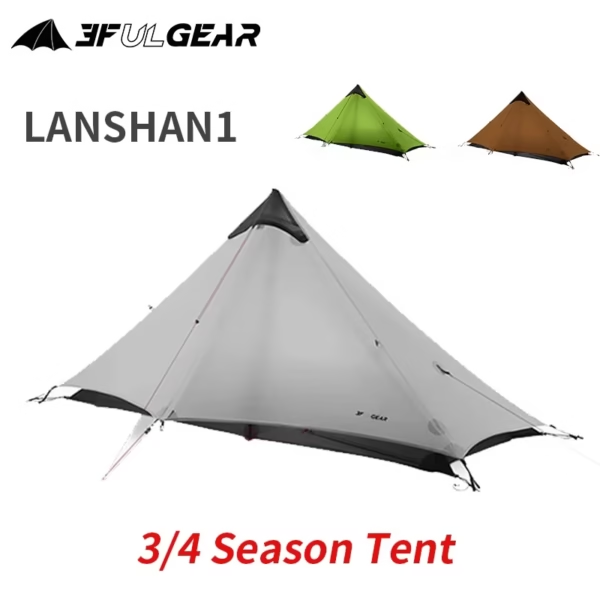
Ultralight 3 F UL GEAR Lan Shan 1 Tent for Solo Adventures Rated 5.00 out of 5
$359.23Original price was: $359.23.$250.38Current price is: $250.38. -
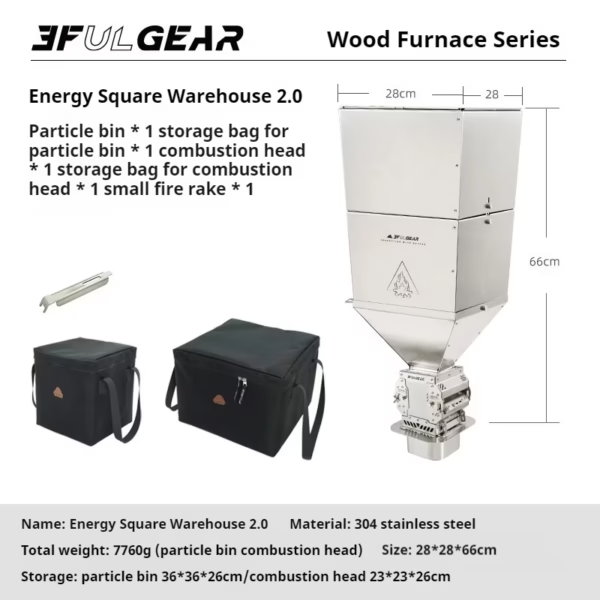
Ultimate 3 F UL GEAR 2.0 Stainless Steel Pellet Fuel Hopper Rated 5.00 out of 5
$555.43Original price was: $555.43.$387.12Current price is: $387.12.



Product Gallery
-
 Ultimate 2-3 Person Inflatable Kayak for Fishing Fun Rated 5.00 out of 5
$1,551.37Original price was: $1,551.37.$1,081.26Current price is: $1,081.26. -
VEVOR 550 lb Heavy-Duty Folding Wagon & Bench for Adventurers
$156.01 – $253.61Price range: $156.01 through $253.61
-
Adventure-Ready Ultra Bright LED Headlamp with 3 Modes
$4.67 – $25.14Price range: $4.67 through $25.14













 Camping Gear
 Camping Chair
 Camping Table
 Sleeping Bags
 Camping Bed
 Sleeping Gear
 Storage Bags
 BBQ Portable
 Camping Tents
 Gazebos
 Outdoor Cooler
 Cookware
 Power
Power Camping Light
 Flashlight
 Portable Solar
 Power Banks
 Fish Finders
 Fishing Bags
 Fishing Jerseys
 Fishing Reels
 Fishing Chairs
 Fishing Bait Boat
 Fishing Floats
 Hard Baits
 Hiking Vests
 Outdoor Bags
 Water Filters
 Paracord
 Walkie Talkie
 Paddleboards
 Boats
Boats Sea Scooter
 Accessories
 Electric Bike
 Electric Scooter
Recent Comments