

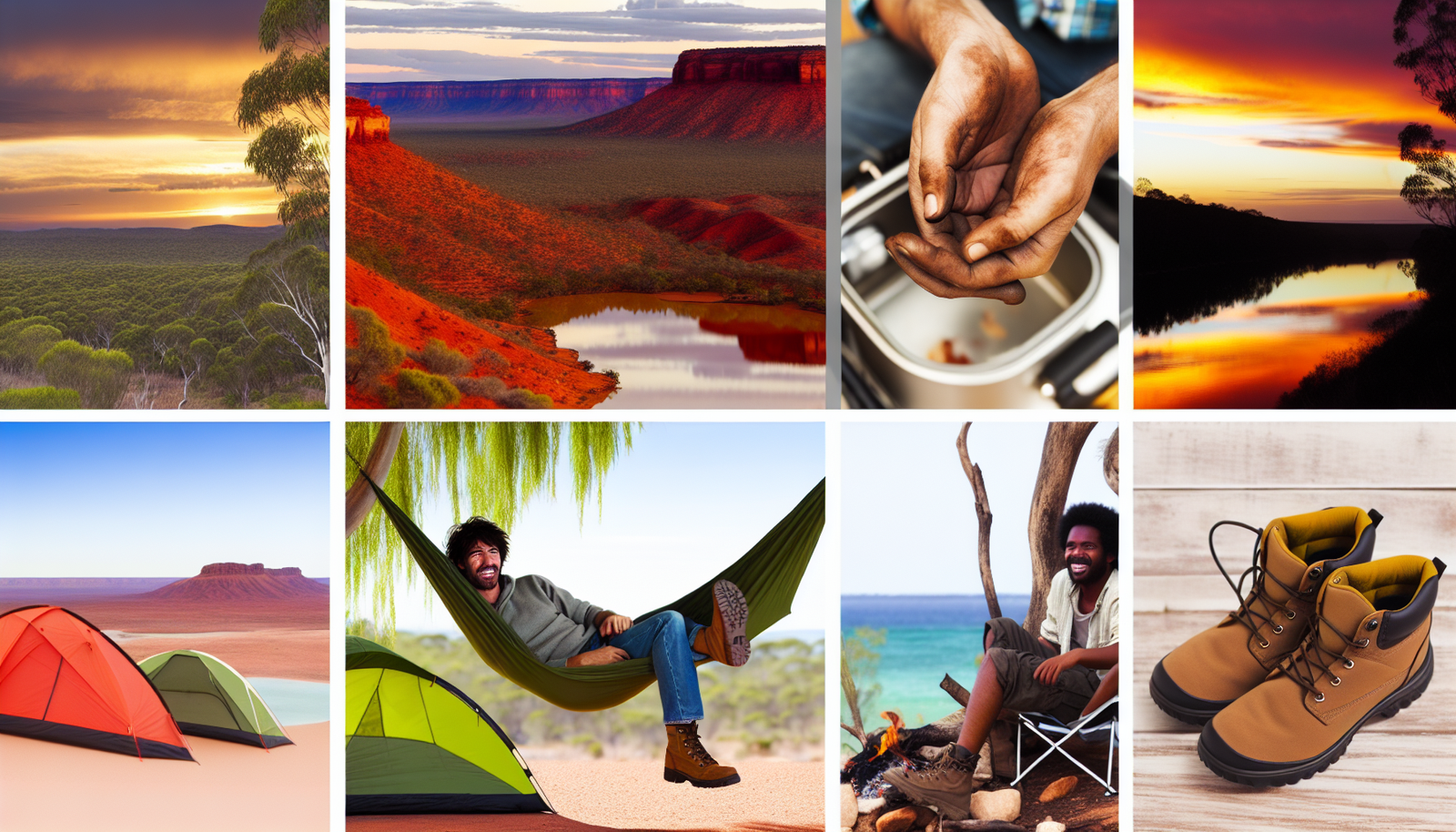
The main focus of your article: Are you emphasizing comfort, affordability, or specific features?

Camping. The very word conjures images of crackling fires, starry skies, and… maybe a slightly aching back? Look, let’s be honest, roughing it is fun… until it isn’t. But who says you need to spend a fortune to enjoy the great outdoors in relative comfort? Not me! We’re going to explore how to maximize comfort without demolishing your bank account. Ready?
Why Comfort Matters (Even When You’re “Roughing It”)
Okay, picture this: You’ve hiked all day, your muscles are screaming, and you’re ready to collapse. Now, would you rather collapse onto a lumpy sleeping bag on the cold, hard ground, or a surprisingly plush air mattress inside a spacious tent? Yeah, I thought so. Comfort isn’t just about being pampered; it’s about enjoying your trip, recovering properly, and, frankly, wanting to do it again! If every camping trip leaves you feeling like you’ve been through a demolition derby, you’re less likely to make it a regular thing.
Besides, a good night’s sleep is ridiculously important. Think about it—a well-rested camper is a safer camper. Fatigue leads to mistakes, plain and simple. So, investing a little in comfort is actually investing in safety and overall enjoyment.
Setting a Realistic Budget: Know What You Can Spend
Before we start drooling over high-tech tents and self-inflating sleeping pads (though we’ll get there!), it’s vital to figure out your budget. Be honest with yourself! It’s no fun starting your trip with buyer’s remorse. Consider these categories of expenses:
- Shelter: Tent, tarp, footprint
- Sleep System: Sleeping bag, sleeping pad, pillow
- Cooking: Stove, cookware, utensils, fuel
- Essentials: Headlamp, first-aid kit, water filter, navigation
- Comfort Items: Camp chair, blankets, lighting, portable fan
Allocate a specific amount to each category based on your priorities. Are you a foodie who needs a top-notch camp kitchen? Or is a comfy sleep system more important for those dodgy lower back issues? Knowing this will guide your gear choices.
Pro-Tip: Don’t forget to factor in recurring costs like fuel, propane, or campsite fees if you plan on camping often.
The Big Three: Shelter, Sleep System, and Sanity
These are the cornerstones of comfortable camping. Skimp on these at your peril! Seriously. These are going to make or break you.
Shelter: Your Home Away From Home
You don’t need a Taj Mahal of a tent, but you need something that keeps you dry, protected from bugs, and provides enough space to move around. Here’s how to choose wisely:
- Size Matters: Get a tent rated for one more person than you expect to occupy it. A “2-person” tent is usually snug for two adults, especially if you have gear.
- Waterproof Rating: Look for a tent with a decent waterproof rating (at least 1500mm) and taped seams. “Water-resistant” is NOT the same as waterproof!
- Ventilation: Condensation inside a tent is miserable. Good ventilation is key to staying dry and comfortable, especially in humid climates. Look for mesh panels and vents.
- Budget-Friendly Picks: Consider brands like Coleman for reliable, affordable tents. They’re not the lightest or the most feature-packed, but they get the job done. Also, check out Kelty – they bridge the gap between price and quality pretty nicely.
Sleep System: Sweet Dreams Under the Stars (Hopefully)
This is where comfort truly shines. A good sleep system can transform a miserable night into a restful one. Here’s the breakdown:
- Sleeping Bag: Choose a bag rated for the temperatures you expect to encounter. A synthetic bag is more affordable and performs better in damp conditions than down. Consider a rectangular bag for more room to move around, or a mummy bag for maximum warmth-to-weight ratio.
- Sleeping Pad: This is non-negotiable! A pad provides insulation from the cold ground and cushions your body. Inflatable pads are more comfortable but can be pricier. Closed-cell foam pads are more affordable and durable, but less comfortable. Self-inflating pads offer a good compromise.
- Pillow: Don’t underestimate the power of a good pillow! Bring one from home, or invest in a compact, inflatable camping pillow.
Making it All Work Together
A little extra planning can seriously upgrade your sleep without breaking the bank:
- Layering Up (or Down): Bring along a versatile fleece blanket. It can add warmth to your sleep system on chilly nights or serve as a comfy ground cover during the day.
- DIY Comfort Boosts: Try stuffing extra clothes into a stuff sack to create a makeshift pillow. Or, use a foam roller for both post-hike muscle relief and extra padding under your sleeping pad.
Cooking on a Budget: Campfire Gourmet (Without the Gourmet Price Tag)
Eating well while camping doesn’t have to involve fancy ingredients or complicated recipes. In fact, some of the best camp meals are simple and satisfying. Let me explain:
- Stove Savvy: A basic propane stove is affordable and easy to use. Consider a single-burner model to save space and money.
- Cookware Essentials: A simple pot, pan, and a few utensils are all you need. Look for lightweight, nesting cookware sets to save space.
- Meal Planning is Key: Plan your meals in advance and pack only what you need. This prevents food waste and saves space in your pack.
- One-Pot Wonders: Think chili, stews, pasta dishes—easy to cook and clean up.
Pro-Tip: Pre-chop vegetables and pre-mix spices at home to save time and effort at the campsite.
Lighting the Way: Illuminate Your Campsite Without Draining Your Wallet
A good lighting setup is vital for safety and ambiance. You don’t need a searchlight, but you do need reliable light sources.
- Headlamps are Essential: A headlamp frees up your hands for cooking, setting up camp, and navigating in the dark. Look for a headlamp with adjustable brightness settings and a red light mode to preserve night vision.
- String Lights for Ambiance: Battery-powered string lights add a touch of warmth and coziness to your campsite.
- Solar-Powered Lanterns: A sustainable and cost-effective way to light up your tent or picnic table.
Camp Chairs and Seating: Comfort Off the Ground
Sitting on a log or the ground gets old fast. A comfortable camp chair can make a huge difference in your enjoyment of the campsite.
- Folding Camp Chairs: Affordable, portable, and surprisingly comfortable. Look for chairs with a high back and armrests.
- Crazy Creek Chairs: A classic camping chair that folds flat for easy storage.
- DIY Seating: Use fallen logs or rocks as makeshift benches. Bring a small cushion or blanket for added comfort. That´s DIY right there!.
Essential Extras: The Little Things That Make a Big Difference
These items might not seem essential, but they can significantly improve your camping experience:
- First-Aid Kit: A well-stocked first-aid kit is crucial for dealing with minor injuries.
- Bug Spray: Mosquitoes and other insects can ruin a camping trip.
- Sunscreen: Protect your skin from the sun’s harmful rays.
- Duct Tape: The ultimate repair tool for everything from torn tents to broken hiking poles.
- Multi-Tool: A versatile tool that can handle a variety of tasks.
- Camp Towel: Lightweight and quick-drying
Where to Find Deals: Score Gear Without Going Broke
Finding affordable gear is all about knowing where to look. Here are some tips for scoring deals:
- Used Gear Stores: Check out stores like REI Used Gear or online marketplaces like Facebook Marketplace and Craigslist.
- End-of-Season Sales: Retailers often discount gear at the end of the camping season to make room for new inventory.
- Discount Retailers: Stores like TJ Maxx and Marshalls sometimes carry camping gear at discounted prices.
- Online Marketplaces: Amazon, eBay, and other online marketplaces can be a great source of deals.
- Borrow or Rent: If you’re just starting out, consider borrowing gear from friends or renting from an outdoor store.
DIY Comfort Upgrades: Get Crafty for Cozy Camping
Who says you can’t add a personal touch to your campsite while saving money? Here are a few DIY ideas:
- Transform Old Clothes: That old flannel shirt you never wear? Convert it into a pillowcase for your camping pillow.
- Personalized Lighting: Decorate your string lights with fabric scraps or natural elements like leaves and pinecones to create a unique ambiance.
- Upcycled Furniture: Turn an old wooden crate into a camp table or seating.
Maintaining Your Gear: Making Your Investment Last
Taking care of your camping gear is key to making it last. Here are a few tips:
- Clean and Dry Gear After Each Trip: Dirt and moisture can damage your gear over time.
- Store Gear Properly: Store your gear in a cool, dry place away from direct sunlight.
- Repair Gear Promptly: Fix small tears and broken zippers before they become bigger problems.
- Use Gear as Intended: Don’t abuse your gear beyond its intended use.
Real-World Examples: My Favorite Affordable Camping Setups
Alright, let’s get down to brass tacks. Here are a couple of budget-friendly camping setups I’ve used myself, proving you don’t need to be loaded to have a great time:
- The “Weekend Warrior” Setup:
- Tent: Coleman Sundome 2-Person Tent (reliable, affordable)
- Sleeping Bag: Kelty Galactic 30 Degree Synthetic (warm, budget-friendly)
- Sleeping Pad: Therm-a-Rest Z Lite Sol (durable, compact, closed-cell foam)
- Stove: Coleman Butane Stove (simple, efficient)
- The “Minimalist Backpacker” Setup:
- Tent: ALPS Mountaineering Lynx 1-Person Tent (lightweight, compact)
- Sleeping Bag: Hyke & Byke Quandary 15 Degree Synthetic (lightweight, warm)
- Sleeping Pad: Foam Sleeping Pad (lightweight, compact, closed-cell foam)
- Stove: BRS-3000T Mini Stove (ultra-light, compact)
Final Thoughts: Embrace the Adventure!
Comfortable camping on a budget is totally achievable! It’s all about prioritizing what matters most to you, doing your research, and getting creative. Don’t be afraid to start small and upgrade your gear over time. The most important thing is to get out there and enjoy the great outdoors!
Now, go forth and camp comfortably… without emptying your pockets. You’ve got this!
FAQ Section
DISCLAIMER
Please note that camping involves inherent risks. Always prioritize safety, be aware of your surroundings, and followLeave No Trace principles. The information provided in this article is for general guidance only and should not be considered a substitute for professional advice. Check weather conditions and any local restrictions before heading out.Be responsible, stay safe, and enjoy the great outdoors!
Categories
- Navigation & Safety (68)
- Shelter & Sleep (72)
Top rated products
-
 Compact 70 CM Fishing Rod Bag - Your Adventure Awaits! Rated 5.00 out of 5$14.20 – $18.17Price range: $14.20 through $18.17
 -
Elevate Your Fishing with C118 GPS Remote Bait Boat Rated 5.00 out of 5
$307.61Original price was: $307.61.$214.40Current price is: $214.40. -
CNSUP 12 ft Inflatable Yellow Paddle Board - Adventure Awaits! Rated 5.00 out of 5$280.24 – $479.36Price range: $280.24 through $479.36

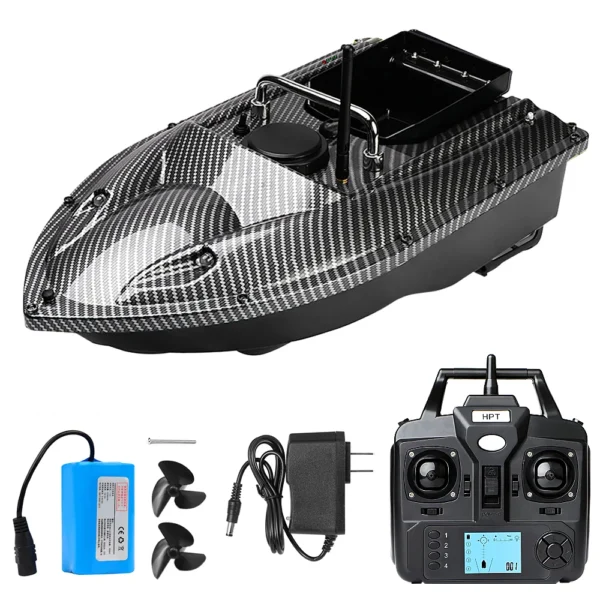


Product Gallery
-
 Ultimate 2-3 Person Inflatable Kayak for Fishing Fun Rated 5.00 out of 5
$1,537.10Original price was: $1,537.10.$1,071.31Current price is: $1,071.31. -
VEVOR 550 lb Heavy-Duty Folding Wagon & Bench for Adventurers
$154.16 – $250.60Price range: $154.16 through $250.60
-
Adventure-Ready Ultra Bright LED Headlamp with 3 Modes
$4.63 – $21.74Price range: $4.63 through $21.74








 Camping Gear
 Camping Chair
 Camping Table
 Sleeping Bags
 Camping Bed
 Sleeping Gear
 Storage Bags
 BBQ Portable
 Camping Tents
 Gazebos
 Outdoor Cooler
 Cookware
 Power
Power Camping Light
 Flashlight
 Portable Solar
 Power Banks
 Fish Finders
 Fishing Bags
 Fishing Jerseys
 Fishing Reels
 Fishing Chairs
 Fishing Bait Boat
 Fishing Floats
 Hard Baits
 Hiking Vests
 Outdoor Bags
 Water Filters
 Paracord
 Walkie Talkie
 Paddleboards
 Boats
Boats Sea Scooter
 Accessories
 Electric Bike
 Electric Scooter
Recent Comments