

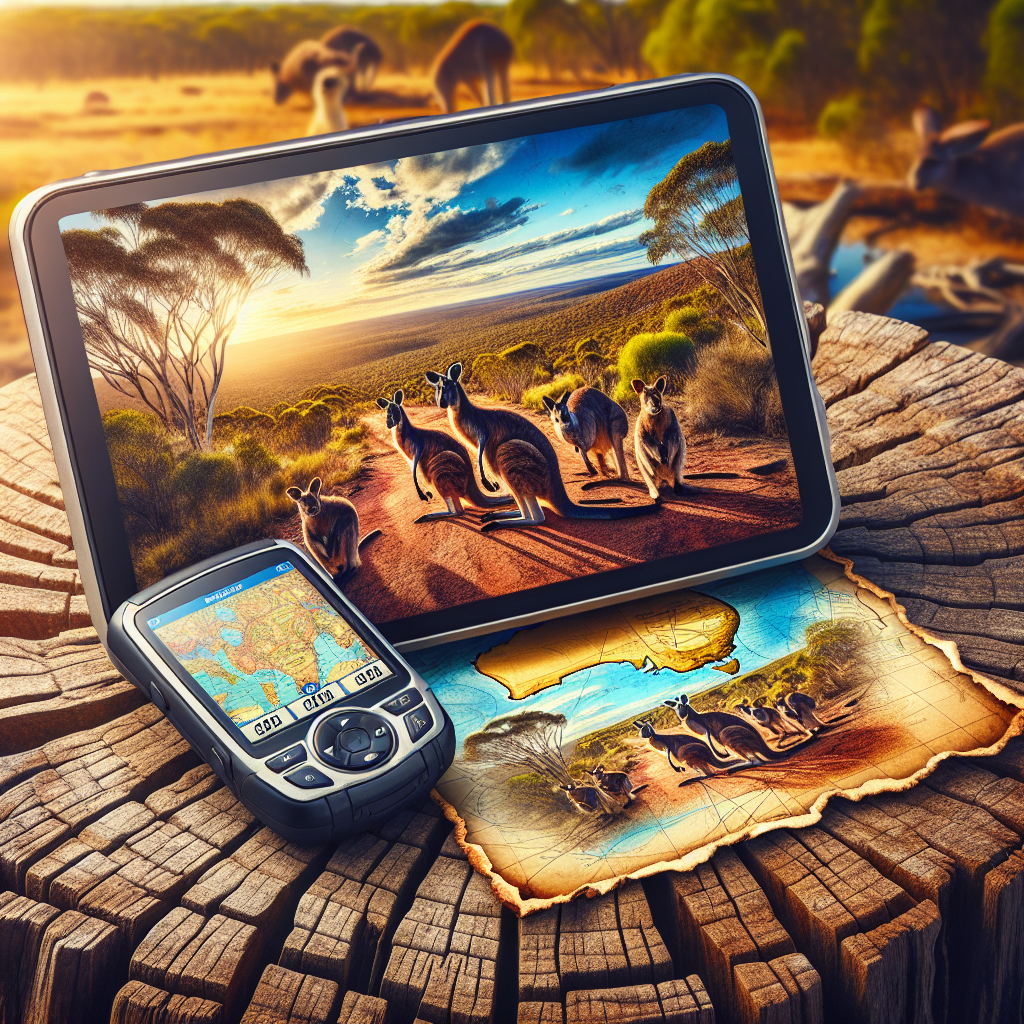
Top-Rated GPS Devices for Camping: Find the Perfect One for Your Needs

Venturing into the great outdoors? Awesome! But let’s be honest, wandering aimlessly isn’t quite the adventure we’re after. A reliable GPS device can be your best friend in the backcountry, turning potential “lost in the woods” scenarios into confident explorations. From basic navigation to advanced safety features, the right GPS can make all the difference. Let’s get you geared up (pun intended!) to find the perfect one for your needs.
Why You Absolutely Need a GPS Device for Camping
Okay, so you might be thinking, “Do I *really* need a GPS? I’ve got my phone!” And that’s fair. But here’s the thing: cell service is about as reliable as a chocolate teapot when you’re deep in the wilderness. GPS devices, on the other hand, work using satellite signals, meaning they don’t rely on those pesky cell towers. Plus, they’re built to withstand the rigors of the outdoors – think rain, drops, and extreme temperatures – whereas your phone might not be. Let me explain why a dedicated GPS device is worth its weight in gold (or, you know, trail mix).
- No reliance on cell service: Satellite-based navigation that works even in the remotest areas.
- Durability: Built to withstand the elements, unlike your fragile smartphone.
- Battery life: Many GPS devices offer days or even weeks of battery life on a single charge.
- Specialized features: Designed specifically for outdoor activities, with features like topographic maps, altimeters, and barometers.
Think of it this way: your phone is a Swiss Army knife, while a GPS is a purpose-built survival tool. Both have their place, but when your safety and navigation are on the line, you want the tool designed for the job.
Understanding the Different Types of GPS Devices
Alright, so you’re convinced a GPS is a good idea. Great! Now, the fun part: figuring out which type is right for you. The world of GPS devices is surprisingly varied. We’ve got handheld GPS units, GPS watches, and even smartphone apps that utilize your phone’s GPS chip (but remember our cell service caveat!). Let’s break down each category. Here’s the thing, each type comes with its own set of pros and cons.
- Handheld GPS Units: These are the workhorses of the GPS world. They typically have large screens, detailed maps, and long battery life. Perfect for serious hikers, backpackers, and anyone who needs a reliable navigation tool.
- GPS Watches: These are more compact and convenient, ideal for runners, cyclists, and anyone who wants GPS data on their wrist. Battery life is generally shorter than handheld units, but they offer fitness tracking features.
- Smartphone GPS Apps: While not as reliable as dedicated GPS devices due to their reliance on battery life and the need for a cellular connection for some features, smartphone apps can be a decent backup option or a good starting point for beginners.
Honestly, the best type for you depends on your specific needs and activities. Are you planning a multi-day backpacking trip in the wilderness? A handheld GPS is probably your best bet. Just going for a trail run? A GPS watch might be perfect. It’s all about matching the tool to the task.
Top-Rated Handheld GPS Devices for Camping
Let’s get into the nitty-gritty and explore some of the best handheld GPS devices on the market. I’m going to focus on models that are known for their reliability, features, and user-friendliness. These are devices that seasoned adventurers trust to keep them on track.
Garmin GPSMAP 66sr: The Gold Standard
The Garmin GPSMAP 66sr is often considered the gold standard in handheld GPS devices, and for good reason. It boasts a large, sunlight-readable color screen, preloaded topographic maps, and access to satellite imagery. But, you know what? It’s not just about the features; it’s about the peace of mind you get knowing you have a reliable device in your hands.
- Key Features: Multi-GNSS support (GPS, GLONASS, Galileo), preloaded TopoActive maps, access to BirdsEye Satellite Imagery, ABC sensors (altimeter, barometer, compass), wireless connectivity (Wi-Fi, Bluetooth, ANT+).
- Why it’s great: Exceptional accuracy, comprehensive mapping, rugged design, and long battery life.
- Potential drawbacks: Pricey compared to other options.
Garmin eTrex 32x: Budget-Friendly and Reliable
If you’re looking for a more affordable option without sacrificing reliability, the Garmin eTrex 32x is an excellent choice. It’s compact, lightweight, and easy to use, making it a great option for beginners. You know what’s cool about this one? It proves you don’t need to break the bank for a decent GPS.
- Key Features: Preloaded TopoActive maps, sunlight-readable color display, multi-GNSS support, 8 GB of internal memory, and a microSD card slot for additional storage.
- Why it’s great: Affordable, compact, easy to use, and offers good battery life.
- Potential drawbacks: Smaller screen and fewer advanced features compared to the GPSMAP 66sr.
Magellan Explorist TRX7: For the Off-Road Explorer
The Magellan Explorist TRX7 is built specifically for off-road adventures. With its rugged design, large touchscreen display, and preloaded trail maps, it’s perfect for navigating in your ATV, UTV, or 4×4 vehicle. This one is for those who like to go where the pavement ends, honestly.
- Key Features: 7-inch touchscreen display, preloaded trail maps with over 115,000 trails, rugged and waterproof design, and a built-in camera.
- Why it’s great: Large screen, extensive trail maps, durable construction, and designed for off-road use.
- Potential drawbacks: Bulky and heavy compared to handheld units. May be overkill for simple hiking.
Top-Rated GPS Watches for Camping and Hiking
GPS watches have come a long way. They’re not just for tracking your running pace anymore. Many models now offer features that are incredibly useful for camping and hiking, such as topographic maps, ABC sensors, and even emergency communication capabilities. Let’s explore some top contenders.
Garmin Fenix 7: The Ultimate Adventure Watch
The Garmin Fenix 7 is a powerhouse of a GPS watch, packed with features for every outdoor activity imaginable. It’s like having a miniature GPSMAP 66sr on your wrist, but with added fitness tracking capabilities.Honestly, this watch can do almost anything.
- Key Features: Multi-GNSS support, preloaded TopoActive maps, ABC sensors, heart rate monitor, pulse oximeter, solar charging options, and a wide range of activity profiles.
- Why it’s great: Comprehensive features, rugged design, long battery life (especially with solar charging), and excellent accuracy.
- Potential drawbacks: Expensive and can be overwhelming for beginners.
Suunto 9 Peak Pro: Sleek and Powerful
The Suunto 9 Peak Pro is known for its sleek design and impressive performance. It offers accurate GPS tracking, long battery life, and a range of features for outdoor enthusiasts. It’s a stylish and capable companion for your adventures. Suunto often flies under the radar, but they make some seriously good watches.
- Key Features: Multi-GNSS support, barometric altimeter, compass, heart rate monitor, blood oxygen monitoring, and over 80 sport modes.
- Why it’s great: Slim and lightweight design, accurate GPS, long battery life, and durable construction.
- Potential drawbacks: Fewer mapping features compared to the Garmin Fenix series.
COROS APEX 2 Pro: The Endurance Champion
The COROS APEX 2 Pro is built for endurance athletes and outdoor adventurers who demand long battery life and reliable performance. It boasts an impressive battery life and accurate GPS tracking. If you’re planning a long trek, this watch could become your new best friend.
- Key Features: Multi-GNSS support, barometric altimeter, compass, heart rate monitor, blood oxygen monitoring, and offline maps.
- Why it’s great: Exceptional battery life, accurate GPS, durable construction, and user-friendly interface.
- Potential drawbacks: Fewer smartwatch features compared to Garmin and Suunto models.
Key Features to Consider When Choosing a GPS Device
So, you’ve seen some of the top models. But how do you narrow down your choices? Here are key features to consider when selecting a GPS device for camping:
- Accuracy: How accurately does the device pinpoint your location? Look for devices with multi-GNSS support (GPS, GLONASS, Galileo) for better accuracy.
- Battery Life: How long will the device last on a single charge? Consider the duration of your typical trips and choose a device with sufficient battery life.
- Mapping: Does the device have preloaded topographic maps? Can you download additional maps? Detailed maps are essential for navigation.
- Durability: Is the device built to withstand the rigors of the outdoors? Look for waterproof and impact-resistant models.
- Ease of Use: How easy is the device to use? Consider the size and clarity of the screen, the intuitiveness of the interface, and the ease of navigating menus.
- ABC Sensors: Does the device have an altimeter, barometer, and compass? These sensors can provide valuable information about your elevation, weather conditions, and direction.
- Connectivity: Does the device have wireless connectivity (Wi-Fi, Bluetooth, ANT+)? This allows you to sync data with your smartphone or computer and connect to other devices.
- Emergency Features: Does the device offer emergency SOS capabilities or the ability to send messages via satellite? These features can be critical in emergency situations.
Think of these features as a checklist. Prioritize the ones that are most important for your specific needs and activities. What’s important is what matters to *you*.
How to Use Your GPS Device Effectively
Okay, you’ve got your shiny new GPS device. Now what? It’s not enough to just turn it on and hope for the best. You need to learn how to use it effectively. Here are some tips to get you started:
- Familiarize yourself with the device: Before heading out into the wilderness, spend some time learning how to use your GPS device. Read the manual, practice navigating menus, and experiment with different features.
- Download maps: Make sure you have the appropriate maps downloaded for your area of travel.
- Create waypoints: Mark important locations, such as your campsite, water sources, and trailheads, as waypoints on your GPS device.
- Plan your route: Before you start your hike, plan your route on your GPS device. This will help you stay on track and avoid getting lost.
- Calibrate your compass: Calibrate your compass regularly to ensure accurate readings.
- Check the battery: Always check the battery level before heading out on a trip. Carry extra batteries or a portable power bank.
- Practice using it in a safe environment: Before you rely on your GPS in a critical situation, practice using it in a familiar environment.
One more thing: GPS devices are tools, not replacements for common sense. Always pay attention to your surroundings, trust your instincts, and be prepared to navigate using traditional methods (map and compass) if necessary. Honestly, knowing how to use a map and compass is still a crucial skill for any outdoor adventurer.
Maintaining Your GPS Device for Longevity
Like any piece of gear, your GPS device needs proper care and maintenance to ensure it lasts for years to come. Here are some tips:
- Keep it clean: Wipe down your GPS device regularly with a soft, damp cloth to remove dirt, dust, and grime.
- Protect the screen: Use a screen protector to prevent scratches and damage.
- Store it properly: When not in use, store your GPS device in a cool, dry place.
- Check for updates: Regularly check for software updates and install them to ensure optimal performance.
- Replace the batteries: Replace the batteries when they start to lose their charge. Use high-quality batteries to prevent leaks and damage.
- Avoid extreme temperatures: Don’t expose your GPS device to extreme temperatures, such as direct sunlight or freezing conditions.
Think of your GPS as a trusty companion. Treat it well, and it will serve you well on your adventures. You know what they say: “Take care of your gear, and your gear will take care of you.”
GPS Apps for Smartphones: A Viable Alternative?
Hey, not everyone wants to shell out the money for a dedicated GPS device. So let’s talk about using GPS apps on your smartphone. They’re convenient, readily available, and often free or low-cost. But hold on, are they *really* a substitute for a dedicated device?
- Pros: Readily available, often free or low-cost, convenient for casual use.
- Cons: Relies on battery life, may require cellular data for some features, less durable than dedicated devices.
Honestly, GPS apps can be great for shorter hikes or when you’re in areas with reliable cell service. Apps like Gaia GPS and AllTrails offer detailed maps and tracking capabilities. But remember what we said earlier: don’t rely solely on your phone in the backcountry. It’s always a good idea to have a backup plan.
Final Thoughts: Choosing the Right GPS for Your Adventures
Choosing the right GPS device for camping is a personal decision. It depends on your needs, your budget, and the types of adventures you plan to undertake. Do your homework, read reviews, and don’t be afraid to ask for advice from experienced campers and hikers. The goal? To create an informed decision, so you don’t feel overwhelmed when you want to discover and explore. Happy trails!
FAQ: Your Burning GPS Questions Answered
GPS (Global Positioning System) is a satellite-based navigation system developed by the U.S. Department of Defense. GLONASS is its Russian counterpart, while Galileo is a European Union system. Using multiple systems (multi-GNSS support) improves accuracy and reliability, as your device can access more satellites.
Battery life is crucial, especially for multi-day trips. Consider the length of your typical excursions and choose a device with sufficient battery capacity. Some devices offer extended battery life through features like solar charging or low-power modes.
ABC sensors stand for Altimeter, Barometer, and Compass. The altimeter measures altitude, the barometer measures atmospheric pressure (which can help predict weather changes), and the compass provides directional information. These sensors are valuable for navigation and situational awareness.
Smartphones can be used for GPS navigation, but they are less reliable than dedicated GPS devices. Battery life is often limited, and they may not be as durable or waterproof. It’s best to use a smartphone as a backup and to carry a dedicated GPS device for serious outdoor adventures.
Yes, you need to download maps to your GPS device to navigate offline. Many devices come with preloaded maps, but you may need to download additional maps for specific regions or trails.
To maintain your GPS device, keep it clean, protect the screen, store it properly when not in use, check for software updates, and replace the batteries as needed. Avoid exposing the device to extreme temperatures.
If your GPS device loses signal, try moving to a more open area with a clear view of the sky. If that doesn’t work, try restarting the device. Always carry a map and compass as a backup in case your GPS device fails.
External Links
DISCLAIMER
While I aim to provide accurate and up-to-date information, I am not a substitute for professional guidance. Regulations, guidelines, and personal safety advice can vary significantly by location and circumstance. Engaging with nature and using GPS and navigation devices inherently carry risks. Always verify information, exercise caution, and prioritize your well-being. Understand that electronic devices can fail; relying solely on them is not advisable. The user assumes full responsibility for any outcomes resulting from the use of these devices or this information.
Categories
- Navigation & Safety (68)
- Shelter & Sleep (72)
Top rated products
-
 Compact 70 CM Fishing Rod Bag - Your Adventure Awaits! Rated 5.00 out of 5$14.20 – $18.17Price range: $14.20 through $18.17
 -
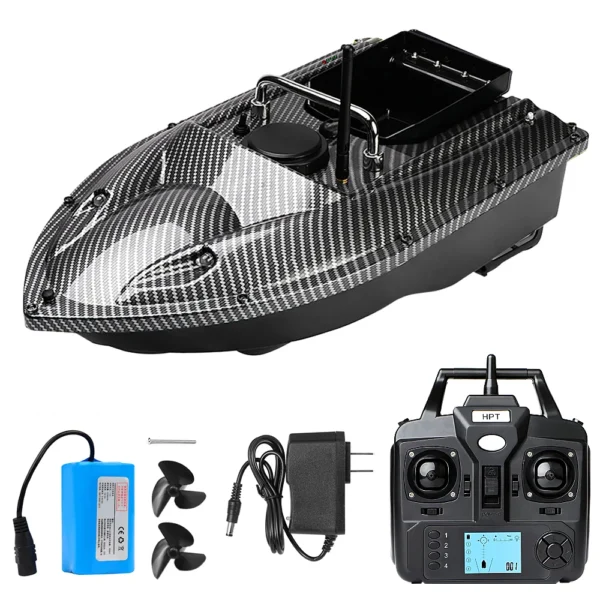
Elevate Your Fishing with C118 GPS Remote Bait Boat Rated 5.00 out of 5
$307.61Original price was: $307.61.$214.40Current price is: $214.40. -
CNSUP 12 ft Inflatable Yellow Paddle Board - Adventure Awaits! Rated 5.00 out of 5$280.24 – $479.36Price range: $280.24 through $479.36



Product Gallery
-
 Ultimate 2-3 Person Inflatable Kayak for Fishing Fun Rated 5.00 out of 5
$1,537.10Original price was: $1,537.10.$1,071.31Current price is: $1,071.31. -
VEVOR 550 lb Heavy-Duty Folding Wagon & Bench for Adventurers
$154.16 – $250.60Price range: $154.16 through $250.60
-
Adventure-Ready Ultra Bright LED Headlamp with 3 Modes
$4.63 – $21.74Price range: $4.63 through $21.74











 Camping Gear
 Camping Chair
 Camping Table
 Sleeping Bags
 Camping Bed
 Sleeping Gear
 Storage Bags
 BBQ Portable
 Camping Tents
 Gazebos
 Outdoor Cooler
 Cookware
 Power
Power Camping Light
 Flashlight
 Portable Solar
 Power Banks
 Fish Finders
 Fishing Bags
 Fishing Jerseys
 Fishing Reels
 Fishing Chairs
 Fishing Bait Boat
 Fishing Floats
 Hard Baits
 Hiking Vests
 Outdoor Bags
 Water Filters
 Paracord
 Walkie Talkie
 Paddleboards
 Boats
Boats Sea Scooter
 Accessories
 Electric Bike
 Electric Scooter
Recent Comments