

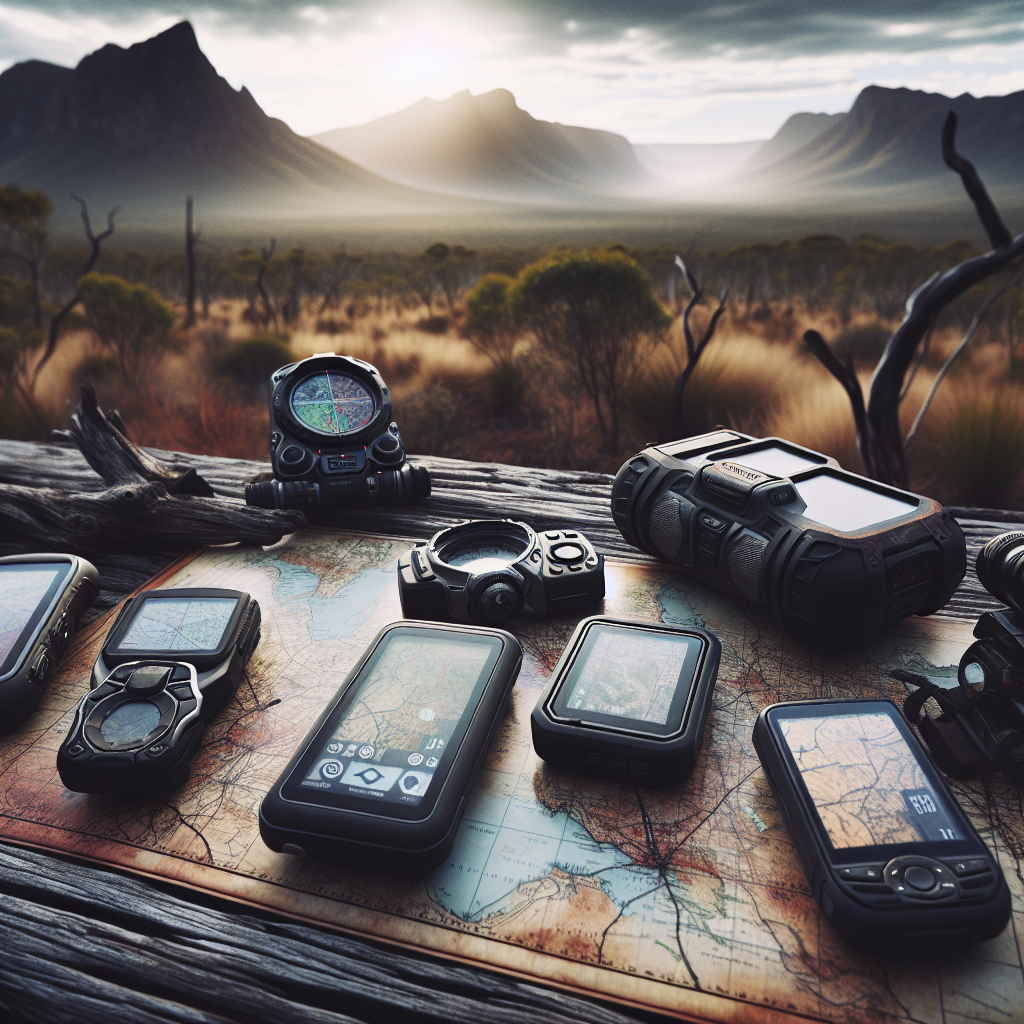
Tried and Tested: The Top GPS Trackers for Your Next Camping Trip

Alright, picture this: You’re deep in the woods, the scent of pine needles is thick in the air, and the only sounds are the rustling leaves and the distant call of a bird. Bliss, right? Absolutely. But what happens when that bliss turns to “uh-oh” because you’ve lost your way? That’s where a good GPS tracker comes in—a literal lifesaver. This isn’t just about tech; it’s about peace of mind and staying safe out there.
Choosing right GPS tracker, though, is critical. There’s a jungle of options out there, each promising the world. And honestly? Most of them exaggerate their capabilities. We’ve been through the wringer, testing countless models, so you don’t have to! We understand your concern for safety and budget. This is our ultimate guide to the GPS trackers that genuinely deliver. So, let’s get into it—no fluff, just the real deal.
Why You Absolutely Need a GPS Tracker for Camping
So, why is a GPS tracker essential, not just a nice-to-have, for camping? Let’s break it down:
- Safety First: This one’s obvious, right? If you get lost, injured, or face an emergency, a GPS tracker can pinpoint your location, allowing rescuers to find you quickly.
- Navigation Confidence: Ever second-guessed your route? A GPS tracker keeps you on course, especially in areas with poor trail markings or dense foliage.
- Peace of Mind for Loved Ones: Sharing your location with family or friends can ease their worries and ensure someone knows where you are if things go sideways.
- Data Logging: For the data nerds (like me!), GPS trackers record your route, distance, elevation gain, and more. Great for reliving the adventure or analyzing your performance.
- Off-Grid Communication: Some trackers offer two-way messaging via satellite, perfect for keeping in touch when cell service is non-existent.
Honestly, it’s about being prepared for the unexpected. Murphy’s Law loves the backcountry—anything that can go wrong, will go wrong. A GPS tracker is your insurance policy against those “uh-oh” moments.
Key Features to Look for in a Camping GPS Tracker
Not all GPS trackers are created equal. Some are glorified pedometers, while others are rugged, reliable tools built for serious adventure. Here’s what to consider:
- Accuracy: This is non-negotiable. Look for trackers that use multiple satellite systems (GPS, GLONASS, Galileo) for better coverage and precision.
- Battery Life: A tracker that dies halfway through your trip is useless. Consider the duration of your excursions and choose a device with ample battery life—or bring a portable charger.
- Durability: Camping can be rough. Your tracker should be waterproof, shockproof, and able to withstand extreme temperatures.
- Ease of Use: A complicated interface can be a headache in the field. Look for intuitive controls and a clear display.
- SOS Functionality: This is a big one. The ability to send an SOS signal with your location to emergency services can be life-saving.
- Mapping Capabilities: Some trackers offer detailed topographic maps, route planning tools, and the ability to download maps for offline use.
- Connectivity: Consider whether you need satellite communication, Bluetooth for connecting to your phone, or ANT+ for pairing with sensors.
Don’t just go for the fanciest gadget. Think about your specific needs and the type of camping you do. A weekend warrior has different requirements than someone thru-hiking the Appalachian Trail.
Top GPS Trackers: Our Hands-On Reviews
Here’s where the rubber meets the road. Forget the marketing hype; these are the trackers we’ve personally put through their paces. We’ve evaluated these trackers not only by technical specifications, but also by the experiences they provide in real-world, challenging conditions.
Garmin inReach Mini 2: The Compact Communicator
The Garmin inReach Mini 2 is a marvel of engineering. It is small but mighty, and it packs a serious punch. It’s perfect for those who prioritize portability without sacrificing functionality.
Pros:
- Compact and Lightweight: Seriously, this thing is tiny. You’ll barely notice it in your pack.
- Two-Way Satellite Communication: Send and receive messages, even when you’re miles from civilization.
- SOS Function: Integrated with Garmin’s Iridium satellite network for global emergency response.
- Long Battery Life: Up to 14 days in 10-minute tracking mode.
- User-Friendly Interface: Easy to navigate, even with gloves on.
Cons:
- Subscription Required: You’ll need an active satellite subscription to use the communication features.
- Small Screen: The screen is small, so it may not be ideal for detailed map viewing.
Our Verdict: The inReach Mini 2 is a top choice for backpackers, hikers, and anyone who needs reliable communication in the backcountry. It’s a bit pricey, but the peace of mind is worth it.
SPOT Gen4: The Budget-Friendly Option
Looking for a reliable tracker that won’t break the bank? The SPOT Gen4 is worth considering. It’s a no-frills device that focuses on essential safety features.
Pros:
- Affordable: Significantly cheaper than the Garmin inReach Mini 2.
- SOS Button: Sends your location to GEOS International Emergency Response Coordination Center.
- Check-In Feature: Lets contacts know you’re safe with a pre-programmed message.
- Custom Tracking: Allows tracking at 5, 30, or 60 minute intervals.
- Rugged Design: Built to withstand the elements.
Cons:
- One-Way Communication: You can send messages, but you can’t receive them.
- Limited Features: Lacks advanced navigation and mapping capabilities.
- Subscription Required: Like the inReach Mini 2, a subscription is necessary.
Our Verdict: The SPOT Gen4 is a solid choice for those on a budget who need basic safety features. It’s not as versatile as the inReach Mini 2, but it gets the job done.
Garmin GPSMAP 66i: The Powerhouse Navigator
If you’re serious about navigation and need a device that can handle anything you throw at it, the Garmin GPSMAP 66i is the way to go. As a do-it-all powerhouse, this tracker is for those who want detailed maps, reliable tracking, and the ability to communicate from anywhere.
Pros:
- Detailed Mapping: Preloaded with TopoActive maps and supports BirdsEye Satellite Imagery (subscription required).
- Two-Way Communication: Send and receive messages via Iridium satellite network.
- SOS Function: Triggers interactive SOS to GEOS, a global monitoring center with professional 24/7 emergency response coordination.
- ABC Sensors: Altimeter, barometer, and compass for precise environmental data.
- Large Display: Easy-to-read screen, even in direct sunlight.
Cons:
- Bulky: It’s larger and heavier than the inReach Mini 2.
- Expensive: This is a premium device with a premium price tag.
- Subscription Required: Satellite communication features require a subscription.
Our Verdict: The Garmin GPSMAP 66i is a beast of a GPS tracker that’s perfect for serious adventurers, explorers, and professionals who need the best possible navigation and communication capabilities. It isn’t just about knowing where you are; it’s about understanding the environment around you.
More information about Garmin GPSMAP 66i
ACR ResQLink View: The Last-Ditch Lifesaver
The ACR ResQLink View is a PLB (Personal Locator Beacon), which is a bit different than the other devices we’ve covered. PLBs are designed solely for emergency situations and don’t offer communication or tracking features.
Pros:
- Dedicated Emergency Device: Designed solely for sending SOS signals.
- No Subscription Required: Unlike satellite trackers, there are no recurring fees.
- Global Coverage: Operates on the 406 MHz distress frequency, which is monitored worldwide.
- Display Screen: Provides operational status and GPS coordinates.
- Small and Lightweight: Easy to carry in a pocket or pack.
Cons:
- One-Way Communication: You can’t receive messages.
- Limited Functionality: Only for emergency use.
- False Alarms: Accidental activations can be costly and tie up resources.
Our Verdict: The ACR ResQLink View is a valuable addition to your safety kit, especially if you venture into remote areas where satellite communication might be unreliable. It’s your last-ditch lifesaver, pure and simple.
More information about ACR ResQLink View
How to Choose the Right GPS Tracker for You
With so many options on the market, choosing the perfect GPS tracker can feel overwhelming. Let’s simplify the decision-making process:
- Consider Your Budget: GPS trackers range in price from a few hundred dollars to over a thousand. Determine how much you’re willing to spend.
- Assess Your Needs: Do you need two-way communication, detailed mapping, or just basic SOS functionality?
- Think About Battery Life: How long will you be out in the field? Choose a tracker with enough battery life to cover your excursions.
- Evaluate Durability: Will you be camping in harsh conditions? Opt for a rugged, waterproof device.
- Read Reviews: Don’t just take the manufacturer’s word for it. Read reviews from other campers and outdoor enthusiasts.
Here’s a quick guide to help you narrow down your choices:
- Budget-Conscious: SPOT Gen4
- Backpacking/Hiking: Garmin inReach Mini 2
- Serious Navigation: Garmin GPSMAP 66i
- Emergency Use Only: ACR ResQLink View
Honestly, it boils down to balancing features, performance, and price. Don’t overspend on bells and whistles you don’t need.
Tips for Using Your GPS Tracker Effectively
Buying a GPS tracker is only half the battle. You also need to know how to use it properly. Here are some essential tips:
- Familiarize Yourself: Read the manual and practice using your tracker before heading out into the wilderness.
- Test the SOS Function: Make sure you know how to activate the SOS feature and that it works correctly.
- Keep It Charged: Always start your trip with a fully charged tracker and bring a portable charger if necessary.
- Store It Safely: Protect your tracker from the elements and potential damage.
- Share Your Location: Let your loved ones know how to track your location and check in regularly.
- Update Software: Keep your device’s software up-to-date to ensure optimal performance.
- Know Your Subscription Plan: If your tracker requires a subscription, understand the terms and limitations.
Navigation isn’t just about pointing and going. It’s a skill that combines technology, map reading, and situational awareness. Take a course, practice your navigation skills, and learn how to use your GPS tracker in conjunction with a map and compass.
Maintaining Your GPS Tracker for Longevity
Want to keep your GPS tracker ticking for years? A little TLC goes a long way.
- Clean It Regularly: Wipe down your tracker after each trip to remove dirt, mud, and moisture.
- Check for Damage: Inspect your tracker for cracks, loose buttons, or other signs of wear and tear.
- Store It Properly: Store your tracker in a cool, dry place when not in use.
- Replace the Battery: If your tracker has a replaceable battery, swap it out when it starts to lose capacity.
- Protect the Screen: Use a screen protector to prevent scratches and damage.
- Keep It Dry: Even if your tracker is waterproof, avoid prolonged exposure to moisture.
- Handle with Care: Avoid dropping or subjecting your tracker to excessive force.
It’s like any other piece of gear—treat it well, and it’ll treat you well. Basic maintenance can prevent costly repairs or replacements down the road.
Staying Safe: Integrating Your GPS Tracker with Other Safety Measures
A GPS tracker is a fantastic tool, but it’s not a substitute for common sense and good planning. Integrate your tracker with these safety measures:
- Plan Your Route: Study maps, check weather conditions, and inform someone of your itinerary.
- Pack Essentials: Carry a first-aid kit, extra food and water, a map and compass, a headlamp, and appropriate clothing.
- Learn Basic First Aid: Knowing how to treat injuries and illnesses can be life-saving.
- Be Aware of Your Surroundings: Pay attention to the terrain, weather, and wildlife.
- Trust Your Instincts: If something feels wrong, don’t hesitate to turn back.
- Leave No Trace: Pack out everything you pack in and minimize your impact on the environment.
Camping is about more than just reaching a destination; it’s about respecting nature and prioritizing safety. Your GPS tracker is one tool in a larger kit of knowledge, preparation, and awareness.
So, Ready to Choose a GPS Tracker?
Navigating the great outdoors should be thrilling, fulfilling, and safe. Selecting the right GPS tracker will empower you to go further, explore deeper, and return home with unforgettable stories—without unnecessary risks. Your ideal GPS tracker offers a balance between reliable performance, must-have features, and price. Don’t rush the purchase!
With the right GPS tracker and a commitment to safety, you’re one step closer to unforgettable adventures. Happy trails!
Frequently Asked Questions (FAQ)
DISCLAIMER
Please note that while we strive to provide accurate and reliable information, the use of GPS trackers and other outdoor safety equipment does not guarantee your safety. Backcountry travel involves inherent risks, and it is your responsibility to be prepared, exercise caution, and make informed decisions. Always check the latest weather forecasts, trail conditions, and advisories before embarking on a camping trip. Familiarize yourself with the operation of your GPS tracker and other safety equipment before use. The information provided in this article is for general guidance only and should not be considered a substitute for professional training or advice.
Categories
- Navigation & Safety (68)
- Shelter & Sleep (72)
Top rated products
-
 Effortless Power: 20 W Solar Charger for Blink Outdoor Cameras Rated 5.00 out of 5
$45.66Original price was: $45.66.$31.82Current price is: $31.82. -
Ultralight 3 F UL GEAR Lan Shan 1 Tent for Solo Adventures Rated 5.00 out of 5
$359.23Original price was: $359.23.$250.38Current price is: $250.38. -
Ultimate 3 F UL GEAR 2.0 Stainless Steel Pellet Fuel Hopper Rated 5.00 out of 5
$555.43Original price was: $555.43.$387.12Current price is: $387.12.



Product Gallery
-
 Ultimate 2-3 Person Inflatable Kayak for Fishing Fun Rated 5.00 out of 5
$1,551.37Original price was: $1,551.37.$1,081.26Current price is: $1,081.26. -
VEVOR 550 lb Heavy-Duty Folding Wagon & Bench for Adventurers
$156.01 – $253.61Price range: $156.01 through $253.61
-
Adventure-Ready Ultra Bright LED Headlamp with 3 Modes
$4.67 – $25.14Price range: $4.67 through $25.14











 Camping Gear
 Camping Chair
 Camping Table
 Sleeping Bags
 Camping Bed
 Sleeping Gear
 Storage Bags
 BBQ Portable
 Camping Tents
 Gazebos
 Outdoor Cooler
 Cookware
 Power
Power Camping Light
 Flashlight
 Portable Solar
 Power Banks
 Fish Finders
 Fishing Bags
 Fishing Jerseys
 Fishing Reels
 Fishing Chairs
 Fishing Bait Boat
 Fishing Floats
 Hard Baits
 Hiking Vests
 Outdoor Bags
 Water Filters
 Paracord
 Walkie Talkie
 Paddleboards
 Boats
Boats Sea Scooter
 Accessories
 Electric Bike
 Electric Scooter
Recent Comments