

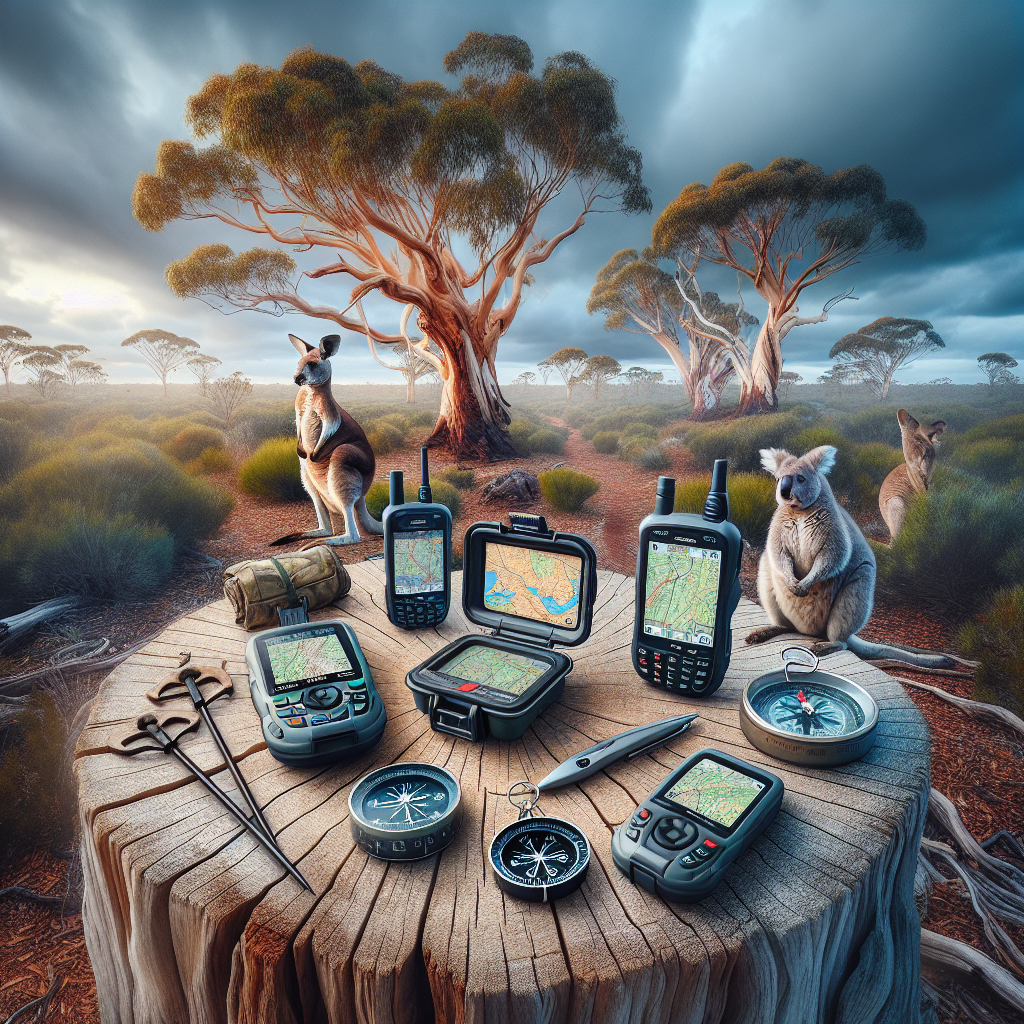

Venturing into the great outdoors is exhilarating, isn’t it? But let’s be honest, getting lost isn’t exactly part of the plan. That’s where a trusty GPS device comes in handy. Whether you’re a seasoned backpacker or a weekend camper, the right GPS can be your lifeline, helping you navigate with confidence and ensuring you return home with incredible stories—not tales of getting hopelessly turned around. Think of it as your digital breadcrumb trail, only way more sophisticated than Hansel and Gretel ever imagined.
Why a GPS Device is a Game-Changer for Camping
Picture this: You’re deep in the woods, the sun’s starting to dip below the horizon, and the trail… well, the trail seems to have vanished. You know what? That’s precisely when you’ll be thanking your lucky stars for that GPS device. But beyond just avoiding getting lost, a GPS offers a heap of advantages. We’re talking enhanced safety, accurate tracking, and the ability to explore with a level of confidence you just can’t get with a paper map alone. It’s like having a seasoned guide right there with you, every step of the way.
Key Features to Look for in a Camping GPS
Okay, so you’re sold on the idea of a GPS. Great! But hold your horses—not all GPS devices are created equal. Here’s the lowdown on what to look for:
* **Durability:** Let’s face it, camping gear takes a beating. Your GPS should be able to withstand the elements—think rain, dust, and the occasional drop.
* **Battery Life:** Nobody wants their GPS dying halfway through a hike. Look for a device with long battery life, or consider bringing a portable charger.
* **Ease of Use:** A GPS with a million confusing buttons isn’t going to do you any good in the backcountry. Opt for something intuitive and easy to navigate.
* **Mapping Capabilities:** Does it have preloaded maps? Can you download additional maps? A GPS with detailed mapping is worth its weight in gold.
* **Satellite Connectivity:** How quickly and reliably does it connect to satellites? This can be a lifesaver in dense forests or deep canyons.
Top GPS Devices for Camping in 2024 – Our UnLOST Picks
Alright, enough with the preamble—let’s get to the good stuff. Here are some of the top GPS devices that should be on your radar this year:
Garmin GPSMAP 66i: The All-Around Champ
The Garmin GPSMAP 66i is like the Swiss Army knife of GPS devices. It boasts inReach satellite technology, which means you can send and receive messages even when you’re out of cell service. Plus, it’s rugged, waterproof, and packed with features like TOPO maps, ABC sensors (altimeter, barometer, compass), and a sunlight-readable color screen. It’s definitely an investment, but if you’re serious about backcountry safety and communication, it’s worth considering.
Garmin eTrex 32x: The Budget-Friendly Option
If you’re looking for a reliable GPS without breaking the bank, the Garmin eTrex 32x is a solid choice. It’s compact, easy to use, and offers a decent array of features, including preloaded TOPO maps, a color display, and a respectable battery life. It might not have all the bells and whistles of the GPSMAP 66i, but it’ll get the job done for most camping trips.
Gaia GPS App: The Smartphone Superstar
Who says you need a dedicated device? The Gaia GPS app turns your smartphone into a powerful navigation tool. With offline maps, route recording, and a vast library of overlays (like weather forecasts and public land boundaries), Gaia GPS is a favorite among hikers and backpackers. Just remember to bring a power bank to keep your phone juiced up. You can download maps ahead of time, so you do not need cell service to navigate. Honestly, it changed the game for me!
Garmin Montana 700i: The Big Screen Navigator
For those who prefer a larger screen and more detailed maps, the Garmin Montana 700i is the way to go. It’s got a glove-friendly touchscreen, inReach satellite communication, and a robust set of features for serious outdoor adventures. It’s a bit on the bulky side, but the extra screen real estate can be a godsend when navigating complex terrain.
Suunto 9 Baro: The Multisport Marvel
Okay, so the Suunto 9 Baro is technically a smartwatch, but it’s also a capable GPS device for camping. With its long battery life, accurate GPS tracking, and barometric altimeter, it’s a great option for hikers, trail runners, and anyone who wants a versatile device that can handle both urban and outdoor adventures. Plus, it just looks cool, you know?
Setting Up Your GPS for a Camping Trip
So, you’ve got your GPS—now what? Here’s how to get it ready for your camping adventure:
1. **Charge It Up:** Obvious, but crucial. Make sure your GPS is fully charged before you hit the trail.
2. **Download Maps:** Download detailed maps of the area you’ll be exploring. Don’t rely on cellular data—it’s often nonexistent in the backcountry.
3. **Create Waypoints:** Mark important locations like your campsite, water sources, and trailheads as waypoints.
4. **Plan Your Route:** Create a route on your GPS or computer and upload it to your device. This will help you stay on track and avoid getting lost, of course.
5. **Familiarize Yourself with the Interface:** Spend some time playing around with your GPS before your trip. You don’t want to be fumbling with menus when you’re already stressed out and trying to find your way.
Essential Navigation Skills Beyond the GPS Screen
A GPS is a fantastic tool, but it’s not foolproof. Batteries die, devices malfunction, and sometimes, satellites just aren’t cooperating. That’s why it’s crucial to have some basic navigation skills in your back pocket. Think of it as a safety net—or, better yet, a complementary skill set that enhances your overall outdoor savvy.
Mastering the Map and Compass
Yeah, yeah, I know—map and compass seem archaic in the age of GPS. But trust me, these skills are timeless. Knowing how to read a topographic map and use a compass to determine direction can be a lifesaver if your GPS fails. Plus, there’s something deeply satisfying about navigating with these old-school tools. It connects you to the land in a way that a digital screen just can’t.
Understanding Terrain and Natural Navigation
Believe it or not, you can navigate using the landscape itself. Pay attention to natural features like rivers, ridges, and vegetation patterns. Learn how to use the sun and stars to determine direction. These skills aren’t just practical—they also deepen your connection with the natural world. It’s almost like learning the language of the land itself.
Leave No Trace: Navigating Responsibly
Navigating responsibly means minimizing your impact on the environment. Stick to established trails whenever possible. Avoid disturbing vegetation or wildlife. And always pack out everything you pack in. After all, we want to preserve these incredible places for future generations to enjoy, right?
Staying Safe: GPS and Emergency Preparedness
A GPS can be a lifesaver in an emergency, but it’s just one piece of the puzzle. Here’s how to combine your GPS skills with other safety measures:
* **Carry a First-Aid Kit:** A well-stocked first-aid kit is essential for any camping trip.
* **Pack Emergency Supplies:** Bring extra food, water, a headlamp, and a fire starter.
* **Tell Someone Your Plans:** Let a friend or family member know where you’re going and when you expect to be back.
* **Know How to Use Your GPS in an Emergency:** Practice using the SOS function (if your GPS has one) and know how to share your location with rescuers.
Maintaining Your GPS Device for Longevity
Want to keep your GPS running smoothly for years to come? Here are a few tips:
* **Clean It Regularly:** Wipe down your GPS after each trip to remove dirt and grime.
* **Store It Properly:** Keep your GPS in a cool, dry place when you’re not using it.
* **Update the Firmware:** Regularly check for firmware updates and install them to keep your GPS running at its best.
* **Protect the Screen:** Consider using a screen protector to prevent scratches.
Conclusion: Navigate with Confidence and Explore the UnKNOWN
A GPS device is an indispensable tool for any camping enthusiast. But remember, it’s not a substitute for basic navigation skills, common sense, and a healthy respect for the great outdoors. So, grab your GPS, brush up on your map and compass skills, and get out there and explore. Adventure awaits!
FAQ: Your Burning Questions Answered
DISCLAIMER
Navigating in the outdoors involves inherent risks. While GPS devices can enhance safety and navigation, they are not foolproof and should not be solely relied upon. Always carry backup navigation tools like a map and compass, and be proficient in their use. Weather conditions, terrain, and device malfunctions can affect GPS accuracy. It is your responsibility to exercise caution, make informed decisions, and be prepared for unexpected situations. The information provided in this guide is for general informational purposes only and does not constitute professional advice. Consult with experienced guides or outdoor professionals for specific training and advice tailored to your planned activities and locations.
Additionally, familiarize yourself with local regulations and guidelines regarding camping and navigation in the areas you plan to visit. Respect wildlife, practice Leave No Trace principles, and prioritize your safety and the safety of others. Stay informed about potential hazards, such as wildlife encounters, weather warnings, and trail closures.
Remember, responsible outdoor recreation requires careful planning, preparation, and adherence to safety protocols. By taking these precautions and using GPS devices as one tool among many, you can enhance your camping experiences while minimizing risks.
Before embarking on any outdoor adventure, always assess your physical fitness, skills, and experience. Be aware of your limitations and choose activities that are within your capabilities. Carry appropriate gear, including clothing, footwear, and emergency supplies. Stay hydrated and nourished, and monitor your health throughout your trip. If you encounter any difficulties or uncertainties, seek assistance from experienced individuals or turn back.
Categories
- Navigation & Safety (68)
- Shelter & Sleep (72)
Top rated products
-
 Compact 70 CM Fishing Rod Bag - Your Adventure Awaits! Rated 5.00 out of 5$14.20 – $18.17Price range: $14.20 through $18.17
 -
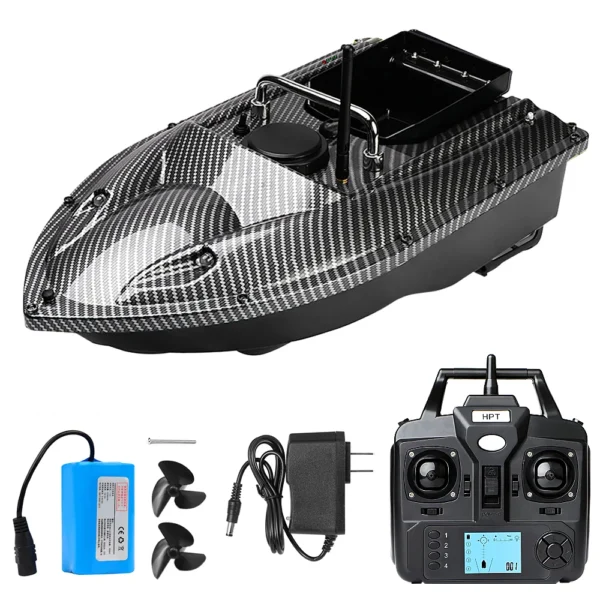
Elevate Your Fishing with C118 GPS Remote Bait Boat Rated 5.00 out of 5
$307.61Original price was: $307.61.$214.40Current price is: $214.40. -
CNSUP 12 ft Inflatable Yellow Paddle Board - Adventure Awaits! Rated 5.00 out of 5$280.24 – $479.36Price range: $280.24 through $479.36



Product Gallery
-
 Ultimate 2-3 Person Inflatable Kayak for Fishing Fun Rated 5.00 out of 5
$1,537.10Original price was: $1,537.10.$1,071.31Current price is: $1,071.31. -
VEVOR 550 lb Heavy-Duty Folding Wagon & Bench for Adventurers
$154.16 – $250.60Price range: $154.16 through $250.60
-
Adventure-Ready Ultra Bright LED Headlamp with 3 Modes
$4.63 – $21.74Price range: $4.63 through $21.74







 Camping Gear
 Camping Chair
 Camping Table
 Sleeping Bags
 Camping Bed
 Sleeping Gear
 Storage Bags
 BBQ Portable
 Camping Tents
 Gazebos
 Outdoor Cooler
 Cookware
 Power
Power Camping Light
 Flashlight
 Portable Solar
 Power Banks
 Fish Finders
 Fishing Bags
 Fishing Jerseys
 Fishing Reels
 Fishing Chairs
 Fishing Bait Boat
 Fishing Floats
 Hard Baits
 Hiking Vests
 Outdoor Bags
 Water Filters
 Paracord
 Walkie Talkie
 Paddleboards
 Boats
Boats Sea Scooter
 Accessories
 Electric Bike
 Electric Scooter
Recent Comments