


Waterproof Tents and Shelters: An Ultimate Guide for Outdoor Enthusiasts

Alright, let’s talk about staying dry in the great outdoors. Because honestly, nobody wants a soggy camping trip, right? Whether you’re a seasoned backpacker or just dipping your toes into weekend camping, understanding how to choose a waterproof tent or shelter can make or break your experience. This guide will cover everything you need to know to keep the rain out and the good times rolling.
Why Waterproofing Matters: More Than Just Comfort
It’s easy to think of waterproof gear as merely a comfort feature, but its importance goes far beyond that. A leaky tent isn’t just annoying; it can be dangerous, leading to hypothermia or ruining essential equipment. Trust me, waking up shivering in a puddle isn’t just unpleasant, it’s a safety hazard.
Think about it: if your sleeping bag gets soaked, it loses its insulation. A warm, dry night is essential for proper rest and recovery, especially after a long day of hiking or paddling. So, really, investing in proper waterproofing is investing in your health and safety.
Understanding Waterproof Ratings: What Do All Those Numbers Mean?
Ever looked at a tent’s specs and seen terms like “hydrostatic head” or “PU coating” and felt your eyes glaze over? Don’t worry, you’re not alone! Let’s break down what these ratings actually mean for keeping you dry.
Hydrostatic Head: The Pressure Test
Hydrostatic head is a fancy term for a simple test: it measures how much water pressure a fabric can withstand before it starts to leak. It’s measured in millimeters (mm), and the higher the number, the more waterproof the fabric.
- 1,000mm – 1,500mm: Basic water resistance, suitable for light showers. Think of it as “splash-proof,” not truly waterproof.
- 1,500mm – 3,000mm: Good for most moderate rainfall. This is often found in entry-level camping tents.
- 3,000mm – 5,000mm: Offers reliable waterproofing for heavier rains and extended exposure. Ideal for backpacking and more serious camping adventures.
- 5,000mm+: Serious waterproofing for extreme conditions, like prolonged heavy rain or snow. You’ll find this on expedition-grade tents.
Here’s the thing, Though these numbers are a great guideline, hydrostatic head isn’t the only factor. The quality of the seams, the coatings, and even the design of the tent all play a role.
Fabric Coatings: PU, Silicone, and More
The coating applied to the tent fabric is another crucial factor in waterproofing. Polyurethane (PU) and silicone are the most common.
- PU Coating: Affordable and effective, PU coatings add a waterproof layer to the fabric. However, they can degrade over time, especially with exposure to UV light.
- Silicone Coating: More durable and UV-resistant than PU, silicone coatings are often found on higher-end tents. They’re also lighter, which is a plus for backpackers.
Denier and Thread Count: What Do They Mean?
Denier refers to the thickness of the individual threads in the fabric, while thread count refers to the number of threads per inch. Higher numbers generally mean a more durable and water-resistant fabric.
However, it’s not always a linear relationship. A high denier fabric with a low thread count might be strong but not very water-resistant, while a lower denier fabric with a high thread count could be more tightly woven and offer better protection. So, consider both factors in tandem.
Types of Waterproof Tents and Shelters: Finding the Right Fit for You
Okay, now that we’ve covered the technical stuff, let’s talk about the different types of waterproof tents and shelters available. Each has its own advantages and disadvantages, depending on your needs and the kind of camping you’re planning to do.
Backpacking Tents: Lightweight and Compact
Backpacking tents prioritize weight and packability. They’re designed to be carried long distances, so every ounce counts. Backpacking tents use lightweight fabrics and minimalist designs to shave off weight, without sacrificing weather protection.
Usually, manufacturers use silicone-coated fabrics (like silnylon or silpoly) and refined designs to minimize weight while maintaining waterproofness. Ventilation is also a key consideration to manage condensation inside the tent. Ventilation ports or mesh panels provide airflow.
Camping Tents: Comfort and Space
Camping tents, on the other hand, are designed for comfort and space. These tents can be larger and heavier, offering more headroom, floor space, and features like gear lofts and dividers.
Look for models with higher hydrostatic head ratings and durable PU coatings to withstand the elements. They’re also often designed with multiple layers, including a waterproof rainfly that extends to the ground, like storm flaps over zippers, enhance weather protection.
Four-Season Tents: Built for Anything
Four-season tents are the heavyweights of the tent world, built to withstand extreme weather conditions like heavy snow, strong winds, and freezing temperatures. Usually, they are used by mountaineers and winter campers, offering unmatched protection and durability.
Four-season tents are constructed with heavy-duty fabrics, reinforced poles, and a robust design to handle snow loads and fierce winds. They often have a full-coverage rainfly that extends to the ground to seal out the elements, and fewer mesh panels to retain heat. Their designs are engineered to shed snow and minimize wind resistance.
Tarps and Shelters: Versatile and Customizable
Tarps and shelters offer a different approach to waterproofing. Instead of a fully enclosed tent, they provide a customizable shelter that can be configured in various ways, depending on the conditions. So, you can pitch it however you wish, allowing for flexibility and adaptability.
It’s important to consider factors like fabric weight, seam construction, and attachment points when choosing a tarp or shelter. For example, seam-sealed tarps offer better water protection, while reinforced corners will stop it from tearing during windy conditions.
Key Features to Look for in a Waterproof Tent
So, what should you focus on when shopping for a waterproof tent? Here are some key features to consider:
Seam Sealing: No Weak Links
Seams are the weakest points in a tent’s waterproof defense. Needle holes create tiny openings for water to seep through, so seam sealing is crucial. Look for tents with factory-taped or heat-sealed seams, usually located on the rainfly and floor.
If you have an older tent, you can also apply seam sealer yourself, using a liquid sealant designed for outdoor fabrics. Just be sure to clean the seams thoroughly before applying, and follow the manufacturer’s instructions.
Waterproof Zippers: Blocking Entry Points
Zippers are another potential entry point for water. Look for tents with waterproof zippers or storm flaps that cover the zippers, preventing rain from seeping through. These seals are usually placed around the tent door, windows, and ventilation points.
Bathtub Floors: Preventing Ground Water Intrusion
A “bathtub floor” is a design feature where the floor fabric extends several inches up the sides of the tent, creating a waterproof barrier that prevents ground water from seeping in. This design is especially effective in preventing water from entering the tent during heavy rain or when camping on wet ground.
Rainfly Design: Full Coverage vs. Partial Coverage
The rainfly is the outer layer of the tent that provides the main waterproof protection. A full-coverage rainfly extends all the way to the ground, providing maximum protection from rain and wind. A partial-coverage rainfly, on the other hand, only covers the top portion of the tent, offering less protection but better ventilation. It really depends on where or when you intend to go camping.
Maintaining Your Tent’s Waterproofing: Keeping it Dry for the Long Haul
Buying a waterproof tent is just the first step. To keep it performing at its best, you need to take proper care of it and maintain its waterproofing over time.
Cleaning and Storage: Key to Longevity
After each camping trip, clean your tent thoroughly to remove dirt, debris, and mildew. Use a mild soap and water, and avoid harsh chemicals or abrasive cleaners that could damage the fabric or coatings.
Make sure the tent is completely dry before storing it, as moisture can lead to mold and mildew growth. Store it loosely in a cool, dry place, away from direct sunlight and extreme temperatures. Basically, treat it well and it will treat you well.
Re-Waterproofing Treatments: Restoring the Barrier
Over time, the waterproof coatings on your tent can degrade, especially with exposure to UV light and frequent use. To restore the waterproofing, you can apply a re-waterproofing treatment, like a spray-on or wash-in sealant. These treatments replenish the DWR (durable water repellent) finish on the fabric, helping water bead up and roll off.
Repairing Tears and Damage: Patching Up the Weaknesses
Even with the best care, tents can sometimes get tears or punctures. Repair these damages promptly to prevent water from seeping in. Use a tent repair kit with patches and seam sealer, following the manufacturer’s instructions. Small tears can often be patched with adhesive patches, while larger tears may require sewing and sealing.
Waterproof Tent Accessories: Enhancing Your Protection
In addition to a waterproof tent, there are several accessories that can enhance your protection from the elements.
Footprints and Groundsheets: Adding a Layer of Defense
A footprint or groundsheet is a separate piece of fabric that goes underneath your tent, providing an extra layer of protection from abrasion, punctures, and ground moisture. It can also help keep your tent floor clean and dry.
Rainfly Extensions: Extra Coverage When You Need It
For added protection in heavy rain or snow, consider using a rainfly extension. This is an additional piece of fabric that attaches to your rainfly, extending its coverage and providing extra protection for your tent entrance or vestibule.
Gear Lofts and Organizers: Keeping Your Stuff Dry and Organized
Gear lofts and organizers can help keep your gear off the tent floor and out of the way, reducing the risk of it getting wet or damaged. They also help keep your tent tidy and organized, making it easier to find what you need.
Choosing the Right Tent for Different Environments: A Tailored Approach
The best waterproof tent for you will depend on the specific environments you’ll be camping in. Here’s a guide to choosing the right tent for different conditions:
Desert Camping: Shade and Ventilation
In the desert, shade and ventilation are just as important as waterproofing. Look for a tent with a lightweight, breathable fabric and plenty of mesh panels to promote airflow. A rainfly can provide added protection from the occasional desert thunderstorm. For warm conditions, a lighter color can reflect sunlight and keep the tent cooler.
Mountain Camping: Durability and Stability
Mountain camping requires a durable and stable tent that can withstand high winds, heavy rain, and snow. Look for a four-season tent with a robust pole structure, a full-coverage rainfly, and reinforced guy-out points. Also, consider using snow stakes or deadman anchors to secure your tent in snowy conditions.
Beach Camping: Sand and Salt Protection
Beach camping requires a tent that can withstand sand, salt, and strong winds. Choose a tent with a durable, sand-resistant fabric and a sturdy pole structure. A full-coverage rainfly can provide added protection from sea spray and windblown sand. Also, be sure to rinse your tent thoroughly after each beach camping trip to remove salt and sand.
Forest Camping: Moisture and Insect Resistance
Forest camping requires a tent that can withstand moisture, insects, and potential treefall. Look for a tent with a waterproof floor, a full-coverage rainfly, and fine-mesh screens to keep bugs out. Also, be sure to pitch your tent away from dead or weak trees that could fall in windy conditions.
DIY Waterproofing Techniques: When You’re On a Budget
If you’re on a budget or just want to give your existing tent a boost, there are several DIY waterproofing techniques you can try.
Seam Sealing: A Simple Solution
As mentioned earlier, seam sealing is a simple and effective way to improve your tent’s waterproofing. Purchase a liquid seam sealer from an outdoor retailer and apply it to all the seams on your rainfly and tent floor. Follow the manufacturer’s instructions carefully, and be sure to allow the sealant to dry completely before using your tent.
Applying a DWR Treatment: Restoring Water Repellency
You can also apply a DWR (durable water repellent) treatment to your tent fabric to restore its water repellency. These treatments are available in spray-on or wash-in formulas, and they help water bead up and roll off the fabric. Be sure to clean your tent thoroughly before applying the treatment, and follow the manufacturer’s instructions.
Using a Tarp as a Groundsheet: An Affordable Option
If you don’t want to buy a dedicated footprint or groundsheet, you can use a tarp instead. Simply cut a piece of tarp to the size of your tent floor and place it underneath your tent. This will provide an extra layer of protection from ground moisture and abrasion. The only thing to keep in mind is to ensure it doesn’t extend beyond the tent edges, because you don’t want it collecting water and routing it under your tent!
Real-World Testing and Reviews: Learning from Experience
One of the best ways to choose a waterproof tent is to read real-world reviews and test reports from other campers. These reviews can provide valuable insights into how a tent performs in different conditions, its durability, and its ease of use.
Check out reputable outdoor gear websites and publications for in-depth reviews and comparisons. Also, consider browsing online forums and communities where campers share their experiences and recommendations. Ultimately, nothing beats firsthand accounts, but being a good consumer has to start somewhere.
Ethical and Sustainable Choices: Camping Responsibly
When choosing a waterproof tent, consider the environmental impact of your purchase. Look for tents made from sustainable materials, like recycled fabrics or organic cotton. Also, choose a tent that is durable and long-lasting, so you won’t have to replace it frequently.
Support companies that are committed to ethical and sustainable manufacturing practices. By making conscious choices, you can minimize your environmental footprint and help protect the natural world for future generations.
Final Thoughts: Staying Dry and Enjoying the Outdoors
Choosing the right waterproof tent is an investment in your comfort, safety, and enjoyment of the outdoors. By understanding the different types of tents, key features, and maintenance techniques, you can find a tent that will keep you dry and protected in any weather. So, get out there, explore the wilderness, and stay dry!
Camping is more than just a hobby; it’s a way to connect with nature, challenge yourself, and create lasting memories. With the right gear and preparation, you can enjoy all the wonders of the outdoors, no matter the weather. Happy camping!
Frequently Asked Questions (FAQ)
DISCLAIMER
Please note that while we strive to provide accurate and reliable information, the advice in this guide is for informational purposes only. Camping and outdoor activities can be inherently risky, and it is your responsibility to assess your skills, experience, and the specific conditions of your chosen environment. Always prioritize safety and consult with experienced professionals when necessary. The information provided here should not substitute professional advice or training.
Categories
- Navigation & Safety (68)
- Shelter & Sleep (72)
Top rated products
-
 Effortless Power: 20 W Solar Charger for Blink Outdoor Cameras Rated 5.00 out of 5
$45.69Original price was: $45.69.$31.84Current price is: $31.84. -
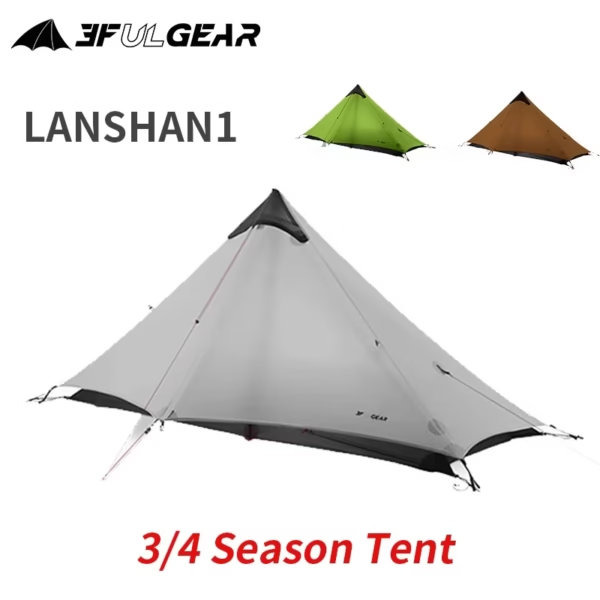
Ultralight 3 F UL GEAR Lan Shan 1 Tent for Solo Adventures Rated 5.00 out of 5
$359.49Original price was: $359.49.$250.55Current price is: $250.55. -
BLACKDOG Quick-Set Automatic Tent: Waterproof & UV-Resistant Adventure Shelter Rated 5.00 out of 5
$355.99Original price was: $355.99.$248.11Current price is: $248.11.



Product Gallery
-
 Ultimate 2-3 Person Inflatable Kayak for Fishing Fun Rated 5.00 out of 5
$1,552.46Original price was: $1,552.46.$1,082.01Current price is: $1,082.01. -
VEVOR 550 lb Heavy-Duty Folding Wagon & Bench for Adventurers
$156.12 – $253.79Price range: $156.12 through $253.79
-
Adventure-Ready Ultra Bright LED Headlamp with 3 Modes
$4.67 – $25.16Price range: $4.67 through $25.16













 Camping Gear
 Camping Chair
 Camping Table
 Sleeping Bags
 Camping Bed
 Sleeping Gear
 Storage Bags
 BBQ Portable
 Camping Tents
 Gazebos
 Outdoor Cooler
 Cookware
 Power
Power Camping Light
 Flashlight
 Portable Solar
 Power Banks
 Fish Finders
 Fishing Bags
 Fishing Jerseys
 Fishing Reels
 Fishing Chairs
 Fishing Bait Boat
 Fishing Floats
 Hard Baits
 Hiking Vests
 Outdoor Bags
 Water Filters
 Paracord
 Walkie Talkie
 Paddleboards
 Boats
Boats Sea Scooter
 Accessories
 Electric Bike
 Electric Scooter
Recent Comments