

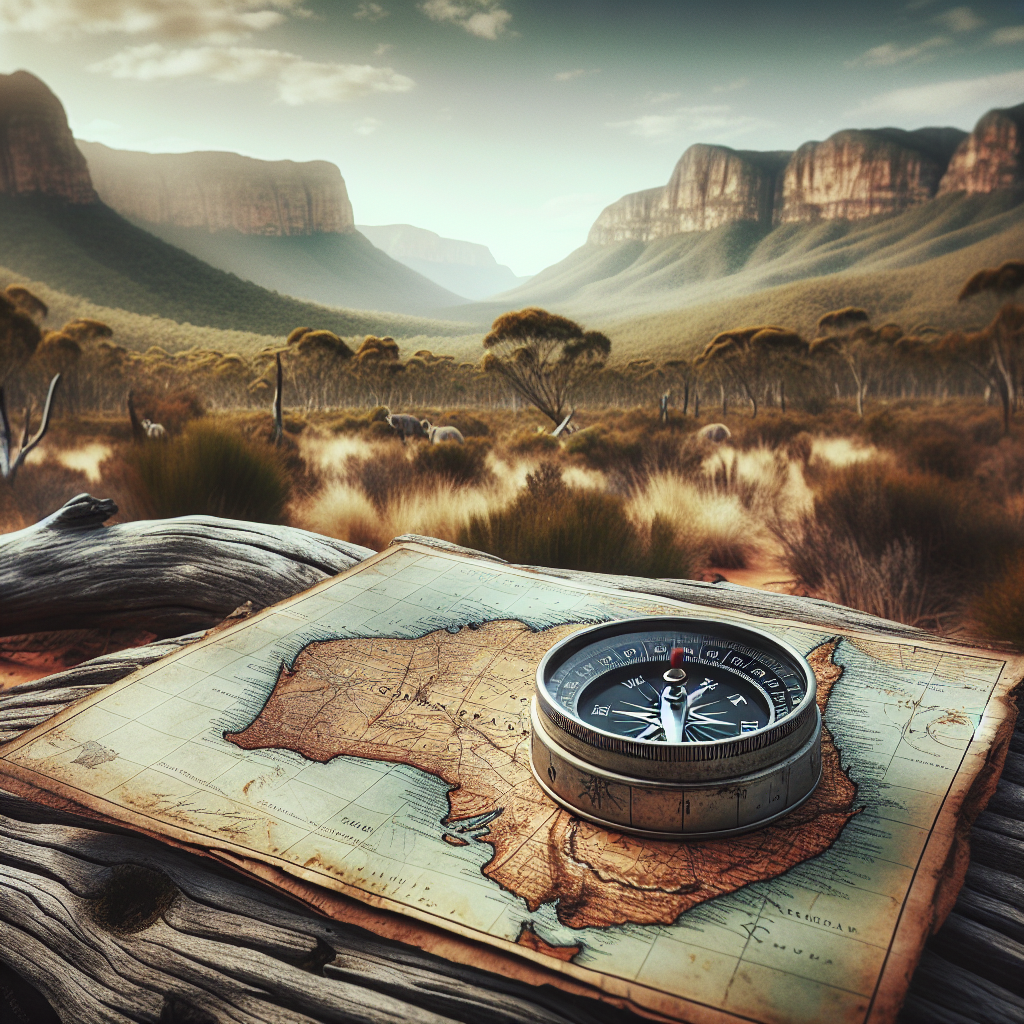
Your Guide to Off-Grid Adventures: Mastering Map and Compass as a Camper

Why Go Old School? The Allure of Map and Compass
You know, in this age of GPS watches and smartphones that promise to guide us through the wilderness, why even bother with a map and compass? Honestly, it boils down to reliability and a deeper connection with the land. Batteries die, signals get lost, and technology fails. But a map and compass? They’re always there, dependable as the North Star. Plus, there’s something incredibly satisfying about truly understanding your surroundings instead of blindly following a screen. Don’t you think?
Think of it like this: relying solely on GPS is like letting someone else drive your car while you’re in the backseat, eyes closed. Sure, you might get to your destination, but you’ll miss the journey—the subtle turns, the changing landscapes. With a map and compass, you’re the driver, fully engaged and aware of every detail. It’s empowering.
Deciphering the Landscape: Understanding Topographic Maps
Let’s talk about topographic maps—your essential guide to understanding the lay of the land. These aren’t your run-of-the-mill road maps; they’re packed with information about elevation, terrain, vegetation, and even man-made features. Reading them feels a bit like learning a new language, but trust me, it’s a language that will open up a whole new world.
What’s on the Map?
Topographic maps use contour lines to represent elevation. Imagine slicing through a mountain with a giant knife, then tracing the outline of that slice onto a piece of paper. Each line represents a specific elevation above sea level. When lines are close together, the terrain is steep; when they’re far apart, it’s gentle. Pretty neat, right?
- Contour Lines: These lines connect points of equal elevation. The closer they are, the steeper the slope.
- Legend: Explains the symbols used on the map, such as types of roads, buildings, and vegetation.
- Scale: Shows the relationship between distances on the map and corresponding distances on the ground.
- North Arrow: Indicates the direction of true north, magnetic north, and grid north. Important for accurate navigation.
Putting it All Together
Here’s the thing: learning to read a topographic map takes practice. Start by identifying major features like mountains, valleys, and rivers. Then, try to visualize the terrain in 3D. Picture yourself walking across the landscape, feeling the changes in elevation. It’s like building a mental model of the world around you.
Remember, a map is more than just a piece of paper; it’s a tool that can help you understand and navigate the wilderness. You can find detailed explanations and resources on official government websites, such as the US Geological Survey (USGS), which offers a wealth of information on map reading and usage.
The Compass: Your North-Seeking Friend
Okay, now let’s talk about the compass—the other half of this dynamic duo. A compass is essentially a magnetized needle that aligns itself with the Earth’s magnetic field, pointing you towards magnetic north. But here’s where it gets a little tricky: magnetic north isn’t the same as true north (the geographic North Pole). The difference between the two is called declination, and it varies depending on your location. We’ll circle back to that in a bit.
Anatomy of a Compass
A typical baseplate compass has a few key components:
- Baseplate: The clear plastic base allows you to lay the compass on the map and take bearings.
- Magnetic Needle: The magnetized needle that points to magnetic north.
- Rotating Bezel (or Azimuth Ring): A graduated ring marked in degrees (0-360) used for taking bearings.
- Orienting Arrow: An arrow inside the rotating bezel used to align the compass with the map’s north lines.
- Index Line (or Lubber Line): A line on the baseplate that you follow when taking a bearing.
Taking a Bearing
Taking a bearing is simply determining the direction from your current location to a destination. Here’s how it’s done:
- Orient the Map: Align your map with the actual terrain using the compass.
- Place the Compass: Lay the compass on the map so that the edge of the baseplate connects your current location to your destination.
- Rotate the Bezel: Turn the rotating bezel until the orienting arrow aligns with the north lines on the map. Make sure that “N” on the bezel points to north on the map.
- Account for Declination: This is crucial! Adjust the bearing to account for the declination in your area. You can find the declination on your map or online.
- Follow the Bearing: Hold the compass level and turn your body until the magnetic needle aligns with the orienting arrow. The direction you’re facing is your bearing.
Sounds complicated? It might at first. There are tons of online tutorials, and REI’s expert advice section offers excellent guides and resources.
Declination: The Devil in the Details
Declination, as mentioned earlier, is the angle between true north and magnetic north. It varies depending on where you are on the planet, and it changes over time. Ignoring declination can lead to significant errors in your navigation, so it’s essential to account for it. Trust me, you don’t want to end up miles off course because you forgot this step.
Understanding Declination
Imagine you’re standing on a giant compass rose. True north is at the center, but magnetic north might be slightly to the east or west. The angle between these two directions is declination. If magnetic north is east of true north, it’s called east declination; if it’s west, it’s west declination.
Adjusting for Declination
There are two ways to adjust for declination:
- Manual Adjustment: Some compasses have an adjustable declination setting. You can set the compass to automatically compensate for the declination in your area.
- Mental Adjustment: If your compass doesn’t have an adjustable setting, you’ll need to add or subtract the declination from your bearing. Remember the saying: “East is least, West is best.” If you have east declination, subtract it from your bearing; if you have west declination, add it.
For example, if your map gives a bearing of 45 degrees and the declination is 10 degrees east, you would subtract 10 degrees for an adjusted bearing of 35 degrees. Simple math, but crucial for accuracy.
Putting it All Together: Map and Compass Skills in Action
Alright, you’ve got the basics down. Now, let’s talk about how to use these skills in the real world, out there on the trail. It’s not just about knowing the theory; it’s about practice and experience. So, how can you actually start?
Planning Your Route
Before you even set foot on the trail, take the time to plan your route. Study your topographic map. Identify key landmarks, potential hazards, and alternative routes. Estimate the distance and elevation gain. The more prepared you are, the safer and more enjoyable your trip will be.
Orienting Yourself
Once you’re on the trail, regularly orient yourself. Use your compass to align your map with the terrain. Identify landmarks on the map and in the real world. This will help you stay on course and avoid getting lost. This is also a great way to test your knowledge of reading a topographic map. If you ever get disoriented, go back to the last known location, then re-orient the map and try again.
Following a Bearing
When following a bearing, don’t just stare at your compass. Pick a landmark in the distance that aligns with your bearing, walk to it, and then repeat the process. This is called “aiming off,” and it helps you stay on course despite obstacles or changes in terrain. Essentially, you’re constantly checking and adjusting your direction.
Advanced Techniques for the Avid Explorer
So, you’ve mastered the basics? Ready to kick things up a notch? Let’s delve into some advanced techniques that can really refine your navigation skills. These techniques are particularly useful in challenging terrain or when visibility is limited.
Resection
Resection is a technique used to determine your location by taking bearings to two or more known landmarks. It’s like triangulation, but in reverse. Here’s how it works:
- Identify Landmarks: Find two or three landmarks that are clearly identifiable on your map and visible from your location.
- Take Bearings: Take a bearing to each landmark using your compass.
- Convert Bearings: Convert each magnetic bearing to a true bearing by adjusting for declination.
- Draw Back Bearings: On your map, draw a line from each landmark along the back bearing (the opposite direction of the bearing you took). The point where these lines intersect is your approximate location.
Resection is an invaluable skill when you’re unsure of your location. It allows you to pinpoint your position with reasonable accuracy, even in dense forests or mountainous terrain.
Using Terrain Association
Terrain association is the art of using natural features to navigate. It involves paying close attention to the terrain around you—the shape of the land, the vegetation, the drainage patterns—and using this information to stay on course. You know what? It requires a keen eye and a deep understanding of the landscape.
For example, if you’re following a ridge line, you can use the shape of the ridge to guide you. If you’re hiking along a stream, you can use the flow of the water to determine which way is downhill. These subtle cues can be just as helpful as a map and compass, especially when visibility is poor.
Staying Safe Out There: Navigation and Emergency Preparedness
Listen, navigation isn’t just about getting from point A to point B; it’s also about staying safe. Being able to navigate effectively can help you avoid hazards, find shelter, and, in a worst-case scenario, self-rescue. Proper navigation skills are key to ensuring a safe and enjoyable trip.
Essential Safety Tips
- Tell Someone Your Plans: Always let someone know where you’re going and when you expect to be back. This is crucial in case of an emergency.
- Carry Emergency Supplies: Pack a well-stocked first-aid kit, extra food and water, a fire starter, and a signaling device (like a whistle or mirror).
- Monitor the Weather: Keep an eye on the weather forecast and be prepared for sudden changes. Bad weather can make navigation much more difficult.
- Know Your Limits: Don’t push yourself beyond your abilities. If you’re tired or uncertain, turn back.
What to Do if You Get Lost
Even the most experienced navigators can get lost. If it happens to you, stay calm. Panic will only make things worse. Here’s what to do:
- Stop and Think: Resist the urge to wander aimlessly. Take a deep breath and try to retrace your steps.
- Consult Your Map and Compass: Orient yourself and try to determine your last known location.
- Signal for Help: If you can’t find your way back, use your signaling device to call for help.
- Stay Put: Once you’ve signaled for help, stay in one place. It’s easier for rescuers to find you if you don’t move around.
The Future of Navigation: Embracing Technology While Respecting Tradition
Technology has undoubtedly revolutionized navigation. GPS devices, smartphones, and digital maps have made it easier than ever to find your way in the wilderness. But should we abandon the old ways entirely? I don’t think so. A map and compass are still essential tools, even in the digital age.
The Best of Both Worlds
The ideal approach is to embrace technology while respecting tradition. Use GPS devices and digital maps as supplementary tools, but always carry a map and compass as a backup. Learn how to use both effectively. That way, you’ll be prepared for anything that comes your way.
Final Thoughts
Mastering map and compass skills is more than just learning a set of techniques; it’s about developing a deeper understanding of the world around you. It’s about connecting with the land, building confidence, and staying safe in the wilderness. So, go out there, explore, and let the journey begin.
FAQ Section
Disclaimer
Navigating in the outdoors involves inherent risks. This guide provides general information and should not be considered a substitute for professional training or expert advice. Always exercise caution, plan carefully, and be prepared for unexpected conditions. The author and publisher are not responsible for any injuries, losses, or damages resulting from the use of this information. It is crucial to have backup plans for your gadgets and to be well prepared. Your safety is your responsibility.
Categories
- Navigation & Safety (68)
- Shelter & Sleep (72)
Top rated products
-
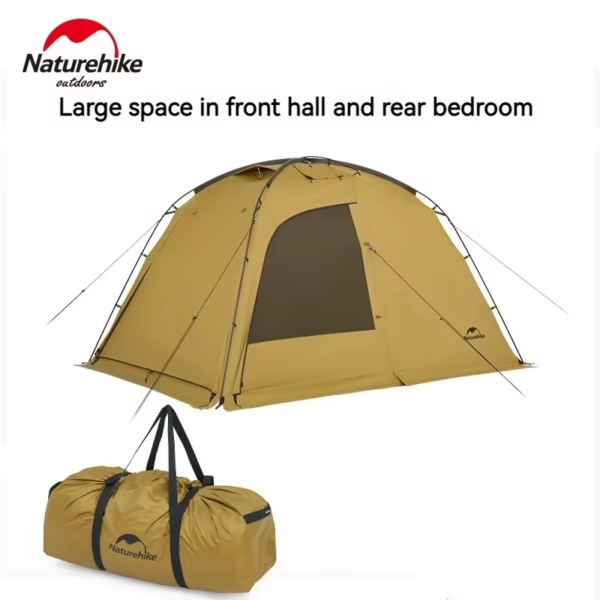
 Dune 7.6 Ultralight 2-Person Tent for All-Season Adventures Rated 5.00 out of 5$113.63 – $120.74Price range: $113.63 through $120.74
 -
Nature Bell 185 cm Folding Cot: Comfort On-the-Go Adventure Bed Rated 5.00 out of 5$36.04 – $38.44Price range: $36.04 through $38.44
-
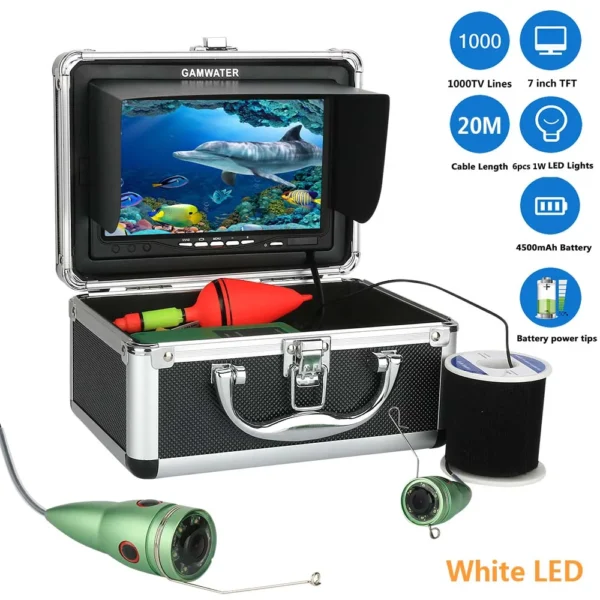
Revolutionary 7" HD Underwater Fishing Camera with LED Lights Rated 5.00 out of 5$164.55 – $208.98Price range: $164.55 through $208.98



Product Gallery
-
 Ultimate 2-3 Person Inflatable Kayak for Fishing Fun Rated 5.00 out of 5
$1,552.46Original price was: $1,552.46.$1,082.01Current price is: $1,082.01. -
VEVOR 550 lb Heavy-Duty Folding Wagon & Bench for Adventurers
$156.12 – $253.79Price range: $156.12 through $253.79
-
Adventure-Ready Ultra Bright LED Headlamp with 3 Modes
$4.67 – $25.16Price range: $4.67 through $25.16










 Camping Gear
 Camping Chair
 Camping Table
 Sleeping Bags
 Camping Bed
 Sleeping Gear
 Storage Bags
 BBQ Portable
 Camping Tents
 Gazebos
 Outdoor Cooler
 Cookware
 Power
Power Camping Light
 Flashlight
 Portable Solar
 Power Banks
 Fish Finders
 Fishing Bags
 Fishing Jerseys
 Fishing Reels
 Fishing Chairs
 Fishing Bait Boat
 Fishing Floats
 Hard Baits
 Hiking Vests
 Outdoor Bags
 Water Filters
 Paracord
 Walkie Talkie
 Paddleboards
 Boats
Boats Sea Scooter
 Accessories
 Electric Bike
 Electric Scooter
Recent Comments