

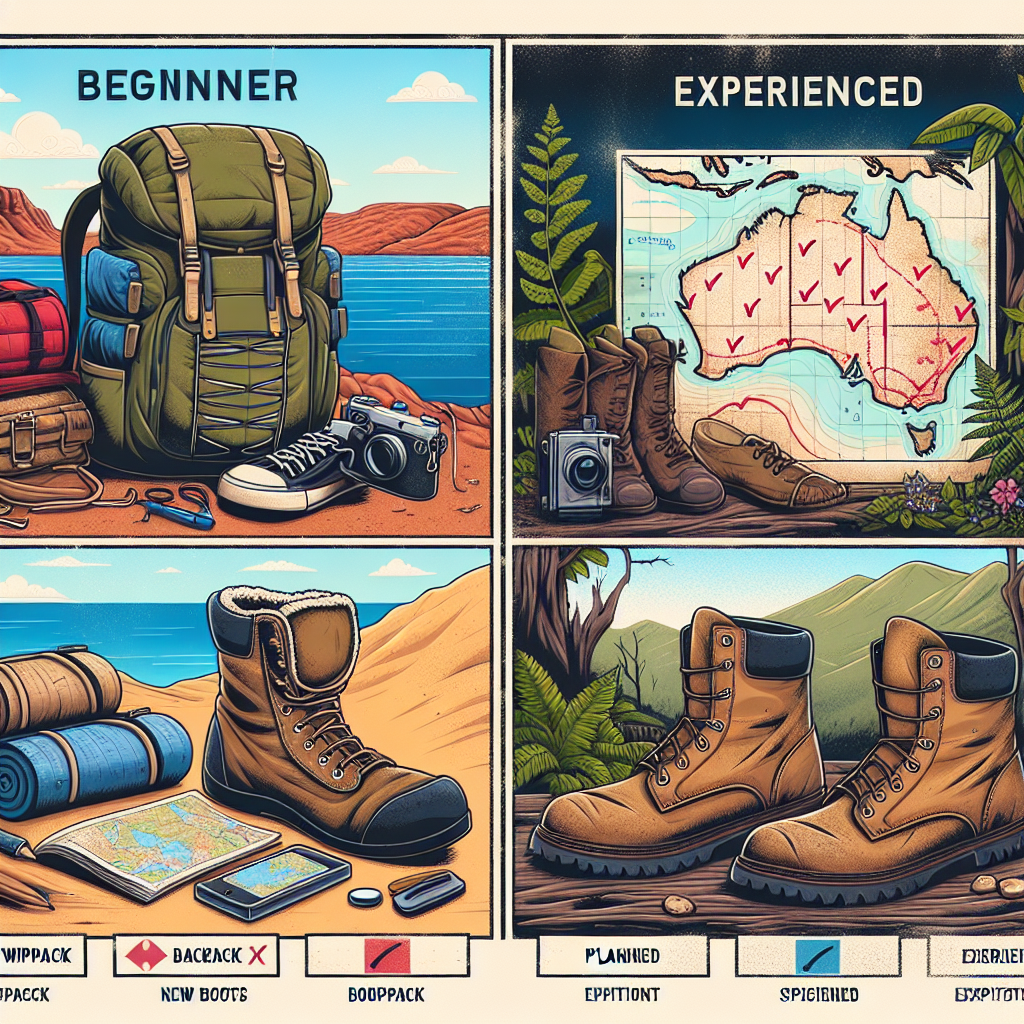
Your target audience: Are they experienced backpackers or beginners?

So, you’re thinking about backpacking? That’s fantastic! There’s nothing quite like carrying everything you need on your back and venturing into the wilderness. But, honestly, the idea can be a little daunting. Where do you even start? What gear do you need? How do you avoid getting lost (or eaten by a bear!)? Don’t worry; Consider this your friendly, comprehensive guide to backpacking for beginners. We’ll break it all down, from choosing your first trail to pitching your tent like a pro. Let’s get started!
Why Backpacking? The Call of the Wild (and Maybe Some Peace and Quiet)
Why would anyone willingly strap a bunch of stuff to their back and hike for days? Well, many reasons, actually! For one, backpacking gets you away from the hustle and bustle of everyday life. It’s a chance to disconnect from technology and reconnect with nature. You know, breathe in that fresh air, listen to the birds, the whole nine yards.
Beyond the tranquility, backpacking offers a sense of accomplishment that’s hard to beat. There’s something incredibly satisfying about reaching a stunning vista after a challenging climb, knowing you got there on your own two feet. Plus, it’s a fantastic workout! Who needs a gym when you’ve got a mountain to conquer? And hey, let’s be real, the views are way better than anything you’ll see on a treadmill.
Choosing Your First Backpacking Trail: Baby Steps Are Key
Okay, you’re sold on the idea of backpacking. Now, where do you actually go? This is a crucial step, especially for beginners. You don’t want to start with a grueling, multi-day trek that’ll leave you feeling defeated (and possibly injured).
Here’s the thing: start small. Look for trails that are relatively short (think 3-5 miles round trip) and have minimal elevation gain. A loop trail is ideal, so you don’t have to backtrack. And make sure the trail is well-maintained and clearly marked. You’re aiming for a positive experience, not a survival test.
Think about local state parks or national forests near you. They often have beginner-friendly trails specifically designed for day hikes or short backpacking trips. Websites like AllTrails AllTrails are fantastic resources for finding trails and reading reviews from other hikers. Pay attention to the comments; they can offer valuable insights into trail conditions and difficulty levels.
Gear Up! What You Absolutely Need (and What You Can Borrow)
Alright, let’s talk gear. This is the part where a lot of beginners get overwhelmed. There’s so much stuff out there, and it can be hard to know what’s essential and what’s just extra weight. The good news is, you don’t need to buy everything at once.
Let me explain the core essentials first. We’ll break it down category by category:
- Backpack: Obviously! Look for one that fits your torso length and has a comfortable hip belt. 50-65 liters is a good size for a beginner.
- Tent: A lightweight backpacking tent is crucial for shelter. Consider a 1- or 2-person tent depending on whether you’re going solo or with a partner.
- Sleeping Bag: Choose a bag rated for the temperatures you expect to encounter. Down is lighter and more compressible, but synthetic is better if you anticipate wet conditions.
- Sleeping Pad: For insulation and comfort. Inflatable pads are lightweight and packable.
- Cooking System: A backpacking stove, fuel, pot, and utensils for preparing meals. A simple canister stove is a great starting point.
- Water Filter or Purifier: Absolutely essential for safe drinking water. A pump filter, gravity filter, or purification tablets are all good options.
- Navigation: Map, compass, and GPS device (or a smartphone with a GPS app). Learn how to use them before you go!
- Headlamp or Flashlight: For navigating in the dark.
- First-Aid Kit: A well-stocked kit with essentials like bandages, antiseptic wipes, pain relievers, and blister treatment.
- Food: High-calorie, lightweight food that’s easy to prepare. Think energy bars, dried fruit, nuts, and dehydrated meals.
- Clothing: Moisture-wicking base layers, insulating mid-layers, waterproof outer layers, and sturdy hiking boots.
Now, before you max out your credit card at REI, consider borrowing some gear from friends or renting it from an outdoor store. This is a great way to try out different equipment and figure out what you like before investing in your own stuff.
Packing Your Backpack: It’s an Art (and a Science)
Packing your backpack efficiently is crucial for a comfortable backpacking trip. You don’t want to be lugging around a poorly balanced load that throws you off balance every step of the way.
Here’s the deal: heavier items should go in the center of your pack, close to your back. This keeps your center of gravity stable. Lighter items can go at the top and bottom. Keep frequently needed items, like your water filter, snacks, and rain gear, in easily accessible pockets.
Compressing your sleeping bag and clothing will save space. Stuff sacks or compression sacks are your best friends here. And don’t be afraid to experiment with different packing configurations to find what works best for you.
Food Glorious Food: Fueling Your Adventure
Backpacking is hungry work! You’ll be burning a lot of calories, so it’s important to pack enough food to keep your energy levels up. But you also don’t want to carry unnecessary weight.
Here’s the thing: the key is to choose lightweight, high-calorie foods that are easy to prepare. Dehydrated meals are a popular option; you just add hot water, and you’ve got a hearty meal in minutes. Energy bars, trail mix, nuts, dried fruit, and jerky are great for snacking on the go.
Consider planning your meals in advance and pre-packing them into individual bags or containers. This will save you time and hassle on the trail. And don’t forget to pack out all your trash! Leave No Trace, people!
Setting Up Camp: Your Home Away from Home
Arriving at your campsite after a long day of hiking is a great feeling. But before you kick back and relax, you need to set up camp.
First things first: find a flat, level spot for your tent. Clear away any rocks, sticks, or pine cones that could poke you in the back during the night. Then, set up your tent according to the manufacturer’s instructions. Make sure to stake it down securely, especially if you expect wind.
Once your tent is up, inflate your sleeping pad and unroll your sleeping bag. Organize your gear inside the tent so you know where everything is. And don’t forget to hang your food bag from a tree branch, away from your tent, to protect it from animals (especially bears!). A bear canister is another great option, especially in areas with known bear activity.
Leave No Trace: Respecting the Wilderness
Backpacking is all about enjoying the beauty of nature. But it’s also about protecting it. The Leave No Trace principles are a set of guidelines for minimizing your impact on the environment.
Here’s the gist:
- Plan ahead and prepare: Know the regulations and potential hazards of the area you’re visiting.
- Travel and camp on durable surfaces: Stick to established trails and campsites.
- Dispose of waste properly: Pack out everything you pack in. Bury human waste in a cathole at least 200 feet from water sources.
- Leave what you find: Don’t take souvenirs or disturb natural objects.
- Minimize campfire impacts: Use a camp stove for cooking whenever possible. If you do have a campfire, keep it small and contained, and make sure it’s completely extinguished before you leave.
- Respect wildlife: Observe animals from a distance and never feed them.
- Be considerate of other visitors: Respect their experience and minimize noise.
Safety First: Staying Safe on the Trail
Backpacking can be an incredibly rewarding experience, but it’s important to be aware of the potential risks and take steps to stay safe.
Here’s the lowdown:
- Tell someone your plans: Let a friend or family member know where you’re going and when you expect to be back.
- Check the weather forecast: Be prepared for changing conditions.
- Carry a map and compass and know how to use them: Don’t rely solely on your phone’s GPS.
- Be aware of your surroundings: Pay attention to the terrain, wildlife, and other hikers.
- Stay hydrated: Drink plenty of water throughout the day.
- Be prepared for emergencies: Carry a first-aid kit and know how to use it. Consider taking a wilderness first-aid course.
- Know your limits: Don’t push yourself too hard, especially on your first few trips.
Also, you know what else may be considered? Consider carrying bear spray if you’re hiking in bear country. And be aware of the symptoms of altitude sickness if you’re hiking at high elevations. Honestly, these things can be scary if you don’t plan for them.
Troubleshooting: Dealing with Common Backpacking Problems
Even with the best planning, things can sometimes go wrong on a backpacking trip. Here are a few common problems and how to deal with them:
- Blisters: Prevent blisters by wearing well-fitting boots and moisture-wicking socks. If you do get a blister, treat it immediately with a blister bandage.
- Foot Fatigue: Rest your feet frequently and consider using trekking poles for support.
- Dehydration: Drink plenty of water and electrolytes.
- Sunburn: Wear sunscreen, a hat, and sunglasses.
- Insect Bites: Use insect repellent and wear long sleeves and pants in buggy areas.
- Gear Failure: Carry a repair kit with essential items like duct tape, cordage, and a multi-tool.
Your First Night: Embrace the Serenity
After setting up your camp, preparing dinner, and double-checking your bear hang (or bear canister!), it’s time to relax and enjoy the fruits of your labor. Honestly, this is the best part.
Sit back, watch the sunset, and listen to the sounds of the forest. Stargaze; the night sky is an absolute spectacle when you’re far from city lights. Reflect on your day’s accomplishments, and maybe jot down some thoughts in a backpacking journal.
And then, drift off to sleep in your cozy tent, lulled by nature’s lullaby. You got this!
Beyond the Basics: Leveling Up Your Backpacking Game
Once you’ve got a few beginner backpacking trips under your belt, you might be ready to take things to the next level. Here are a few ideas:
- Longer Trips: Plan a multi-day backpacking trip to explore a larger area.
- More Challenging Terrain: Seek out trails with more elevation gain or technical sections.
- Winter Backpacking: Brave the cold and snow for a unique winter experience. (Requires specialized gear and skills.)
- Backcountry Cooking: Experiment with more elaborate backpacking meals.
- Navigation Skills: Practice your map and compass skills in more challenging environments. Consider trying geocaching.
So, remember to slowly but surely push yourself and challenge yourself. And most importantly, remember to have fun! This is truly the key point. The goal is to enjoy and find some peace in the outdoors.
Frequently Asked Questions (FAQs)
DISCLAIMER
Backpacking can be a potentially dangerous activity. This article provides general guidance, but it’s essential to do your own research, plan carefully, and take all necessary safety precautions. Be aware of your limitations, and if you are unsure about your abilities, seek out a guided tour or take a course on how to backpack safely. The author and publisher are not responsible for any injuries, accidents, or damages that may occur while backpacking. Always consult with a qualified professional before undertaking any outdoor activity.
Categories
- Navigation & Safety (68)
- Shelter & Sleep (72)
Top rated products
-
 UNIKOO UK224 Mini Walkie Talkies: Adventure Awaits, Stay Connected! Rated 5.00 out of 5
$49.74Original price was: $49.74.$34.67Current price is: $34.67. -
Nature Bell 185 cm Folding Cot: Comfort On-the-Go Adventure Bed Rated 5.00 out of 5$35.61 – $37.99Price range: $35.61 through $37.99
-
Tactical Mini Flashlight: 150 Lumen Power for Glock & Hellcat Rated 5.00 out of 5
$122.88Original price was: $122.88.$85.65Current price is: $85.65.


Product Gallery
-
 Ultimate 2-3 Person Inflatable Kayak for Fishing Fun Rated 5.00 out of 5
$1,534.01Original price was: $1,534.01.$1,069.16Current price is: $1,069.16. -
VEVOR 550 lb Heavy-Duty Folding Wagon & Bench for Adventurers
$154.27 – $250.78Price range: $154.27 through $250.78
-
Adventure-Ready Ultra Bright LED Headlamp with 3 Modes
$4.62 – $24.86Price range: $4.62 through $24.86






 Camping Gear
 Camping Chair
 Camping Table
 Sleeping Bags
 Camping Bed
 Sleeping Gear
 Storage Bags
 BBQ Portable
 Camping Tents
 Gazebos
 Outdoor Cooler
 Cookware
 Power
Power Camping Light
 Flashlight
 Portable Solar
 Power Banks
 Fish Finders
 Fishing Bags
 Fishing Jerseys
 Fishing Reels
 Fishing Chairs
 Fishing Bait Boat
 Fishing Floats
 Hard Baits
 Hiking Vests
 Outdoor Bags
 Water Filters
 Paracord
 Walkie Talkie
 Paddleboards
 Boats
Boats Sea Scooter
 Accessories
 Electric Bike
 Electric Scooter
Recent Comments